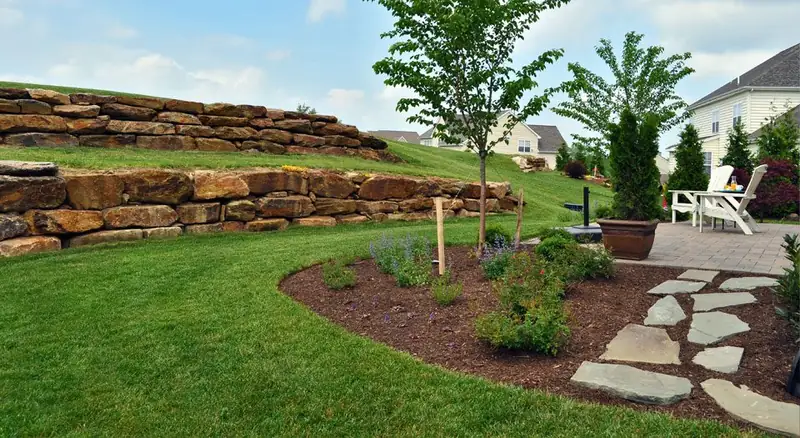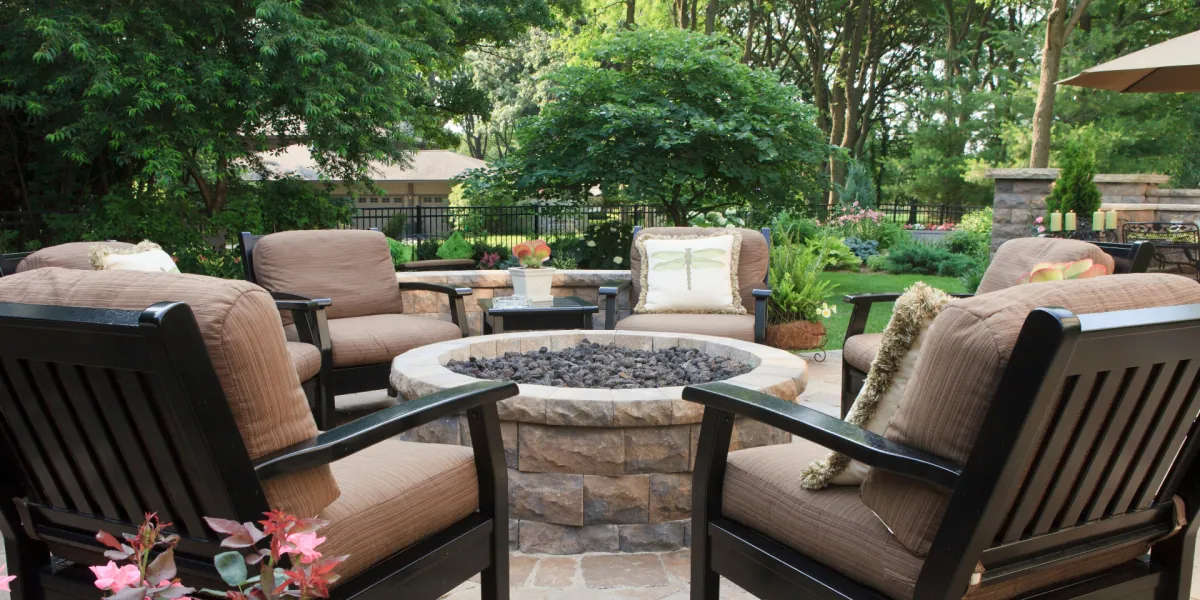
The most well-maintained properties in Chester County have one thing in common: they are planned a season ahead. Fall landscape planning Chester County PA homeowners leave to the last moment rarely produces the results they are looking for, because the services that make the biggest difference in autumn — fall planting, end-of-season pruning, pre-winter mulching, drainage assessment, and lighting checks — all have a window that closes faster than most people expect.
This guide covers everything that should be on your radar before September is out, why the timing of each service matters, and how getting ahead of the fall calendar protects both the condition of your landscape and your access to a professional team before their schedule fills.
Why Does the Fall Landscape Calendar Fill Up So Quickly?
Fall is one of the busiest periods for professional landscapers in southeastern Pennsylvania. Homeowners who have been putting off end-of-season projects through summer all move at once, and contractors who do high-quality work are booked out quickly. The properties that consistently look their best in October and November are almost always the ones whose owners planned their fall programme in August, not September.
There is also a biological window at play. Fall planting is genuinely time-sensitive in a way that cannot be worked around. Trees and shrubs planted in September and October have weeks to establish root systems in warm soil before winter dormancy. Plant the same specimens in November and they go into the ground with almost no establishment time before the soil hardens. The difference in performance the following spring is significant.
Fall Tree and Shrub Planting: Why Autumn Is the Optimal Window
One of the most widely misunderstood aspects of landscape maintenance is that fall, not spring, is the preferred planting window for many trees and shrubs. While spring planting gets most of the attention, autumn planting offers a combination of conditions that are genuinely superior for root establishment.
Soil temperatures in Chester County stay warm well into October, even as air temperatures cool. That warm soil encourages active root growth at precisely the moment when the plant's above-ground energy demands have dropped with the end of the growing season.

According to Penn State Extension, selecting the right tree or shrub for the specific site conditions is the starting point for any successful planting — and autumn is the ideal time to make those placements for most deciduous and broadleaf evergreen species suited to Pennsylvania's Zone 6b to 7a climate.
For Chester County properties, fall planting also allows specimen trees and structural shrubs to be in place before winter, giving the landscape a more finished, established look from the very start of next spring. Our tree and shrub planting services cover selection, placement, and aftercare through establishment.
End-of-Season Pruning: Setting Up Next Year
Late summer and early fall is the window for end-of-season pruning that shapes how your landscape comes out of winter. This is not the same as dormant pruning, which is done in late winter when the plant structure is fully visible and the risk of encouraging tender new growth before a frost is gone. Fall pruning focuses on removing damaged or dead wood accumulated through summer, correcting structural issues before winter load, and lightly shaping shrubs and perennials that benefit from it.
What you want to avoid is heavy pruning that stimulates significant new growth heading into winter. Light corrective work and deadwood removal are appropriate in September and October. Major structural work on most trees and shrubs is better left for late winter when the plant is fully dormant and the cuts have the least impact on the plant's energy reserves.
The Penn State Extension trees and shrubs resource notes that pruning timing depends on whether a plant is spring or summer blooming, and that the goal is always to preserve next season's flowering performance while maintaining structural integrity through the dormant period.
Pre-Winter Mulching: Protecting Root Systems Through the Cold

Mulching is one of the highest-return maintenance tasks a Chester County homeowner can do in fall, and it is consistently undervalued. A properly applied layer of mulch over planting beds and around tree root zones moderates soil temperature fluctuations, retains moisture during dry winter spells, and protects shallow root systems from the heaving that comes with repeated freeze-thaw cycles.
For newly planted trees and shrubs, fall mulching is particularly important. The root systems of new plantings have not yet extended fully through the surrounding soil and are more vulnerable to temperature extremes than established specimens. A mulch ring extending to the drip line, keeping mulch away from direct contact with the trunk or stem, provides meaningful protection through the first winter.
Existing beds benefit from a refresh of mulch that has broken down through the season, restoring the depth needed for effective insulation and moisture retention. As a general rule, two to three inches of mulch across planting beds is the target heading into fall — enough to insulate without holding excessive moisture against plant crowns.
Drainage Assessment Before Autumn Rainfall
Chester County's autumn brings heavier, more sustained rainfall than the short intense summer storms that exposed drainage issues earlier in the season. Properties with grading problems, compacted soil, or aging drainage systems that managed through summer can be overwhelmed when October and November rains arrive.
Fall is the right time to assess any drainage concerns you noticed through summer and address them before autumn rainfall peaks.
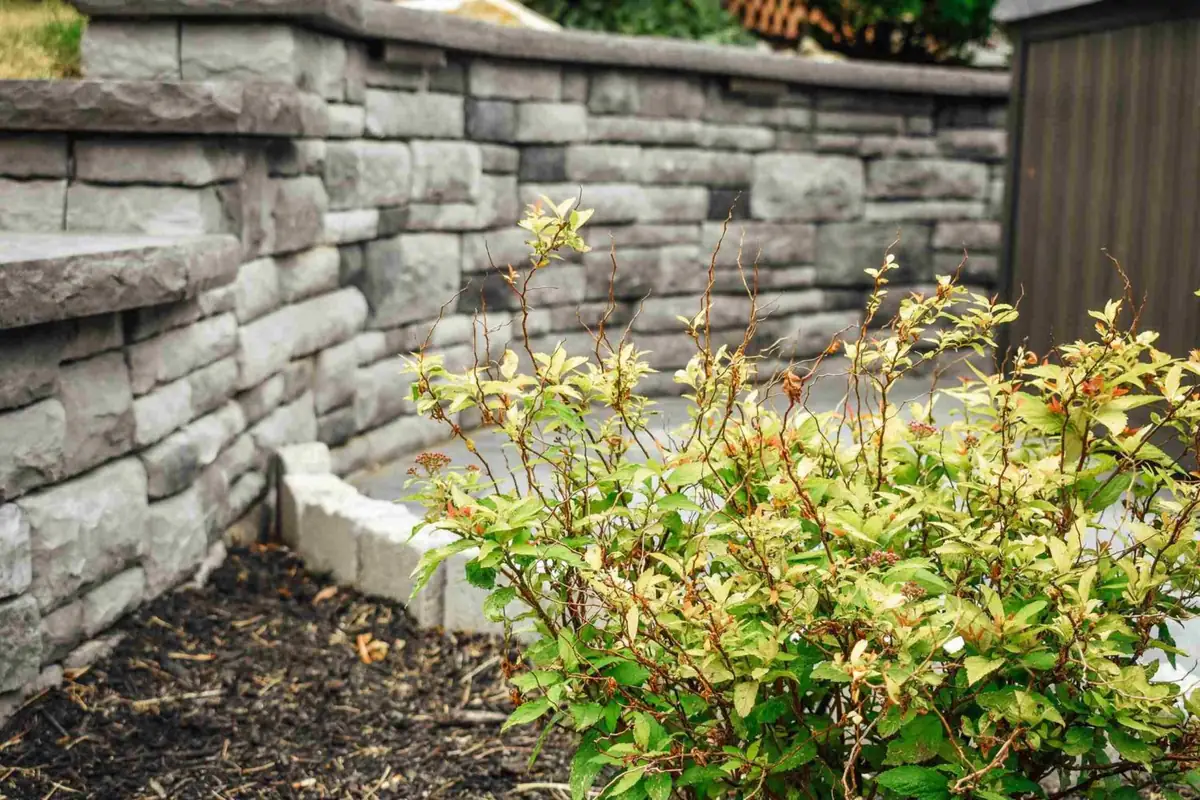
This might be a simple regrading of a low spot, cleaning and extending downspout drainage, or a more involved solution such as subsurface drain lines or a catch basin installation. The Penn State Extension stormwater management resources note that stormwater affects all properties and that addressing drainage problems before they compound is consistently more effective than responding after damage occurs.
Landscape Lighting: Preparing for Shorter Days
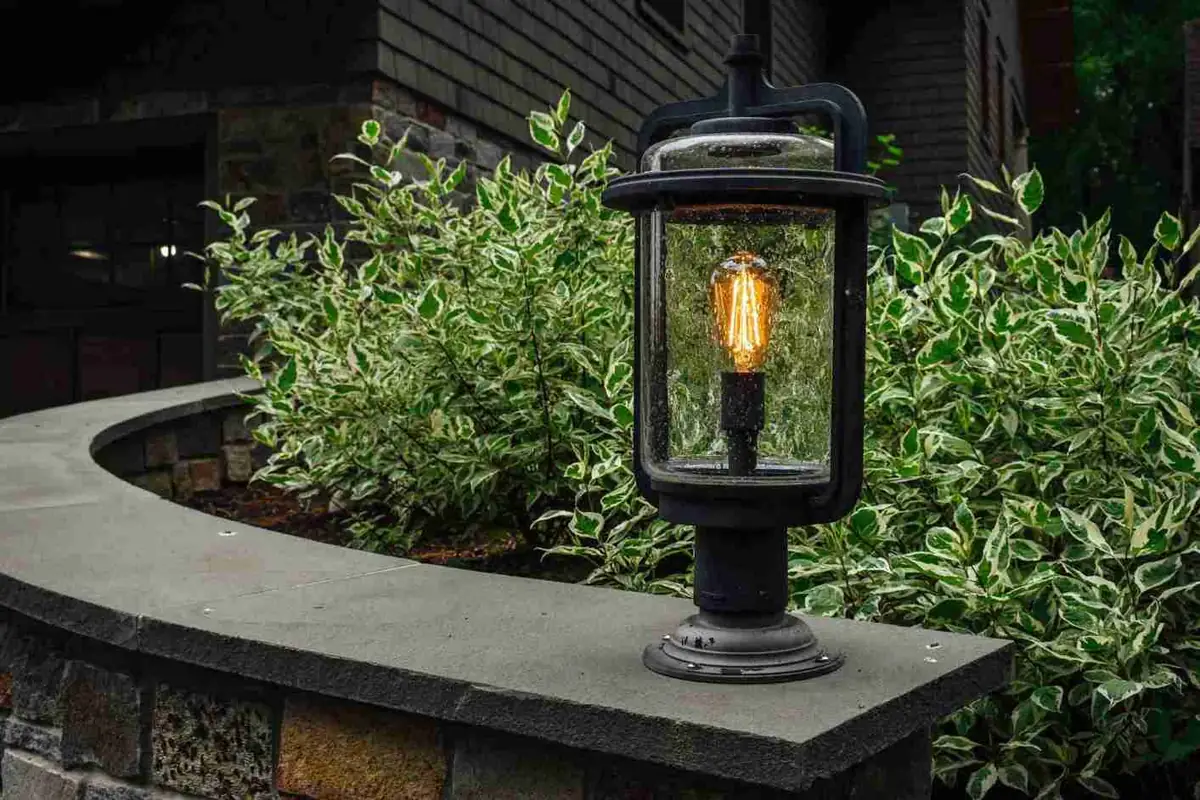
As daylight shortens through September and October, landscape lighting transitions from a feature that extends summer evenings to a functional element that defines how your property looks and feels through the darker months of the year.
Fall is the right time to check your system, replace any failed fixtures, and consider whether the coverage suits how you use the space as the season changes. For properties that do not yet have lighting, fall is an excellent installation window: ground is still workable for wire runs, the finished system is in place before the shortest days of winter, and uplighting of specimen trees and architectural features reads particularly well against autumn foliage and the clean structure of bare branches. Our lighting design guide covers what works best on larger Chester County properties.
How to Get Ahead of the Fall Calendar
The most effective approach to fall landscape planning is to treat it as a single coordinated programme rather than a series of separate tasks scheduled reactively. Planting, pruning, mulching, drainage, and lighting work best when planned together, with each element timed correctly relative to the others and the seasonal progression of your property.
The Pickel Landscape Group team has managed Chester County landscapes through the seasonal transitions for over 15 years. We work across Landenberg, West Chester, Kennett Square, Avondale, Hockessin, and northern Delaware, and we understand what each property needs heading into fall to come out of winter in the best possible condition.
Explore our full services to see how seasonal maintenance fits within a complete landscape programme, and browse our portfolio to see results from Chester County properties we manage through the seasons. Then request a consultation and we will put together a fall plan that works for your property before the best slots are gone.
Frequently Asked Questions About Fall Landscape Planning in Chester County
Contact Pickel Landscape Group
Ready to plan your fall landscape programme? Our team serves Chester County and northern Delaware, including Landenberg, West Chester, Kennett Square, Avondale, and Hockessin.
Related Articles
Late-Summer Landscape Refresh: Getting Your Outdoor Space Ready for Fall
Ready to refresh your Chester County landscape before fall? Here's where to start, from plantings to lighting to hardscape updates.
Read moreIs Your Landscape Showing Signs of Mid-Summer Stress?
Is your Chester County landscape showing signs of mid-summer stress? Here's what to look for and how a professional check can help.
Read moreSpring Landscape Prep for Chester County Homeowners
What Chester County homeowners should do in May — planting timing, soil prep, mulching & when to book a spring landscape consultation before summer.
Read more