The spring display you admire on a neighbour's property or along a well-kept Chester County streetscape was not planted in March. It was planted the previous October or November, while the ground was still workable and the season felt like it was winding down rather than gearing up. Bulb installation Chester County PA homeowners want to see next spring has exactly one window, and that window is now.
This guide covers why fall is the only time spring bulbs can be planted, how to layer varieties and depths for continuous bloom from late winter through late spring, and what a professionally managed bulb installation actually delivers for your property.
Why Spring Bulbs Can Only Be Planted in Fall
Spring-blooming bulbs are biologically programmed to require a period of cold before they will flower. Tulips, daffodils, hyacinths, crocus, allium, and grape hyacinth all need extended cold temperatures to trigger the internal process that produces blooms. Without that cold period, they simply will not flower — which is why you cannot plant them in spring and expect results.
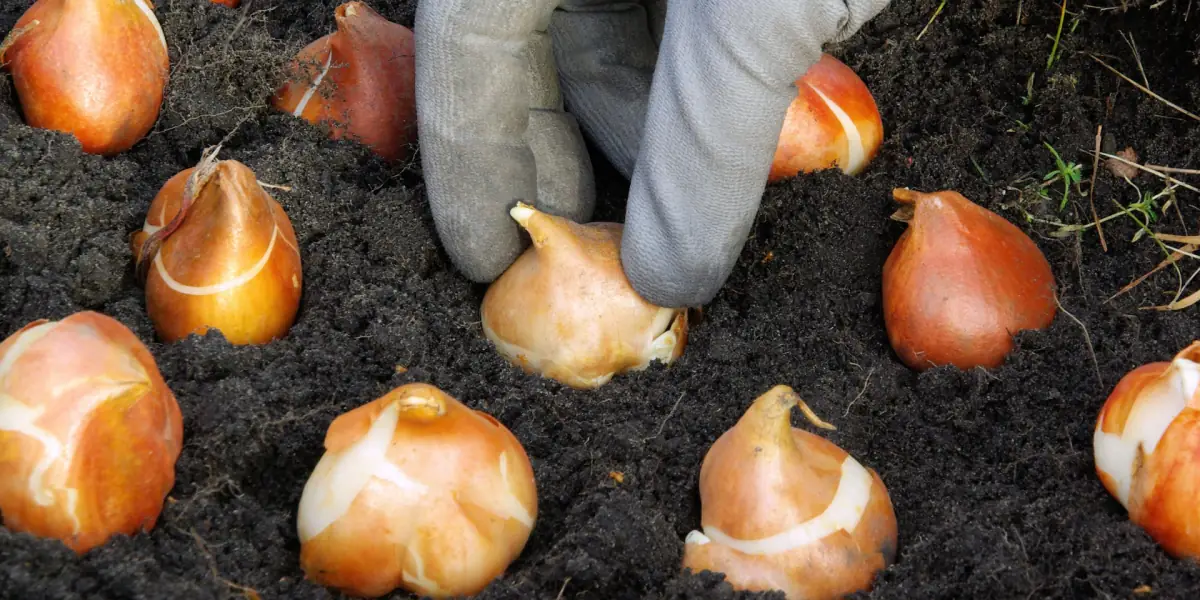
In southeastern Pennsylvania, that means planting in October and into November, while the soil is still warm enough to allow root development before the ground freezes. According to the Penn State Extension guide to spring bulb planting, spring-blooming bulbs should be planted before the first frost, with bulbs placed two and one-half to three times deeper than the bulb's height for best results.
The Chester County-specific Penn State Extension resource on bulbs, corms, rhizomes and tubers notes that spring bulbs can be planted up until the ground is frozen, though no later than six weeks before the first frost. In practice, getting bulbs in the ground by late October gives them the best possible start.
How to Plan for Continuous Bloom From Late Winter Through Late Spring
One of the most common mistakes in bulb planting is choosing a single variety and planting it all at once, which produces a single flush of color over two to three weeks and then nothing. A well-planned bulb installation uses early, mid, and late-blooming varieties to create a succession of color that starts as early as late February and continues into late May in Chester County.
Early Bloomers — Late Winter Into Early Spring
Snowdrops (Galanthus), winter aconite (Eranthis), and early crocus are the first to emerge, often pushing through in late February or early March when the rest of the landscape is still fully dormant. These small bulbs are most effective in large quantities, planted in sweeping drifts under deciduous trees or along garden edges where they will catch full sun before the canopy fills in.
Early daffodils also belong in this category. Varieties such as 'February Gold' and 'Jetfire' emerge weeks ahead of standard daffodil types and offer a strong colour punch at a time when the landscape desperately needs it.
Mid-Spring Bloomers — March and April
Hyacinths, mid-season daffodils, and early tulips fill the main spring flowering window. Daffodils in particular are one of the most reliable choices for Chester County properties: they naturalise well, require no digging and dividing for years, and are unpalatable to deer and rabbits — a meaningful consideration in many Landenberg, Kennett Square, and Avondale landscapes where deer pressure is real.
Hyacinths offer intense fragrance and dense flower spikes in a range from deep purple and pink through white and yellow. They are most visually effective in tight clusters of a single colour rather than scattered individually, where they tend to disappear against the backdrop of an active spring garden.
Late Spring Bloomers — April Into May
Late tulips, allium, and camassias carry the display into May and bridge the gap between the peak spring bulb season and the summer perennial season. Late tulips in particular offer some of the most dramatic flower forms — parrot tulips, fringed varieties, and the tall Triumph types — and their later bloom time makes them less vulnerable to a hard frost cutting the display short.
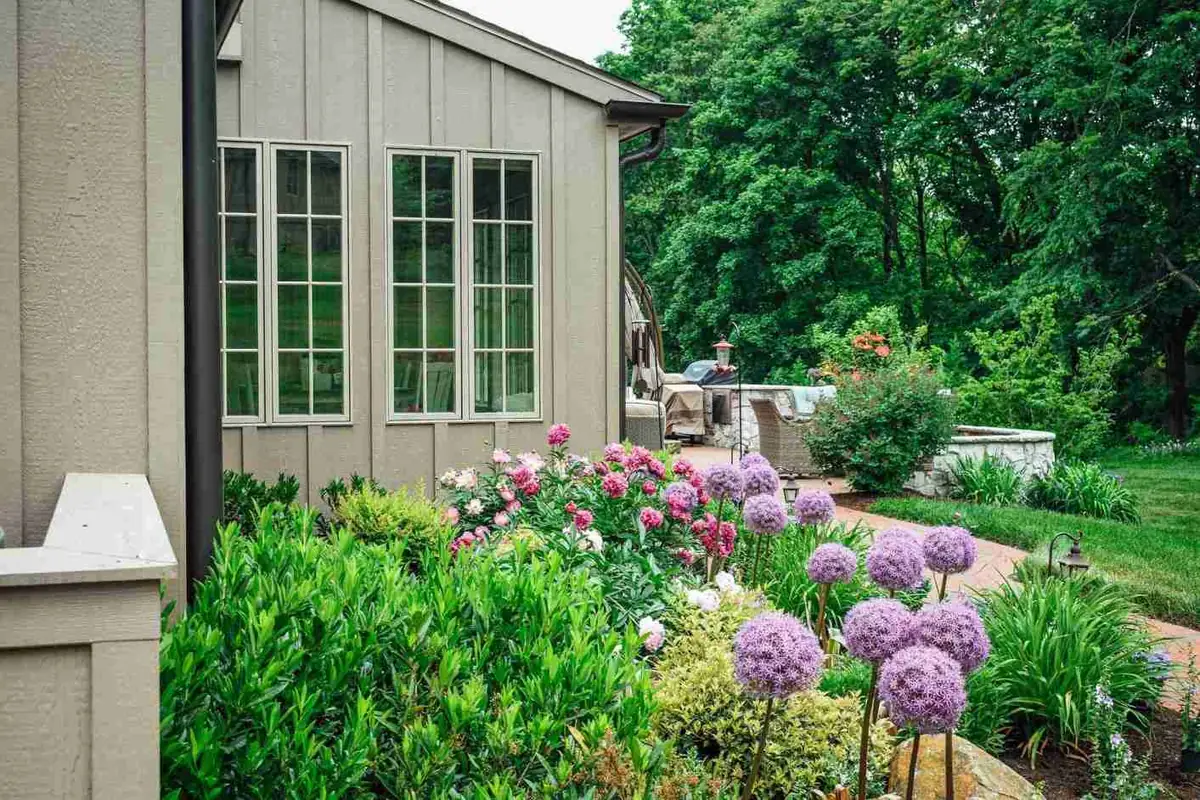
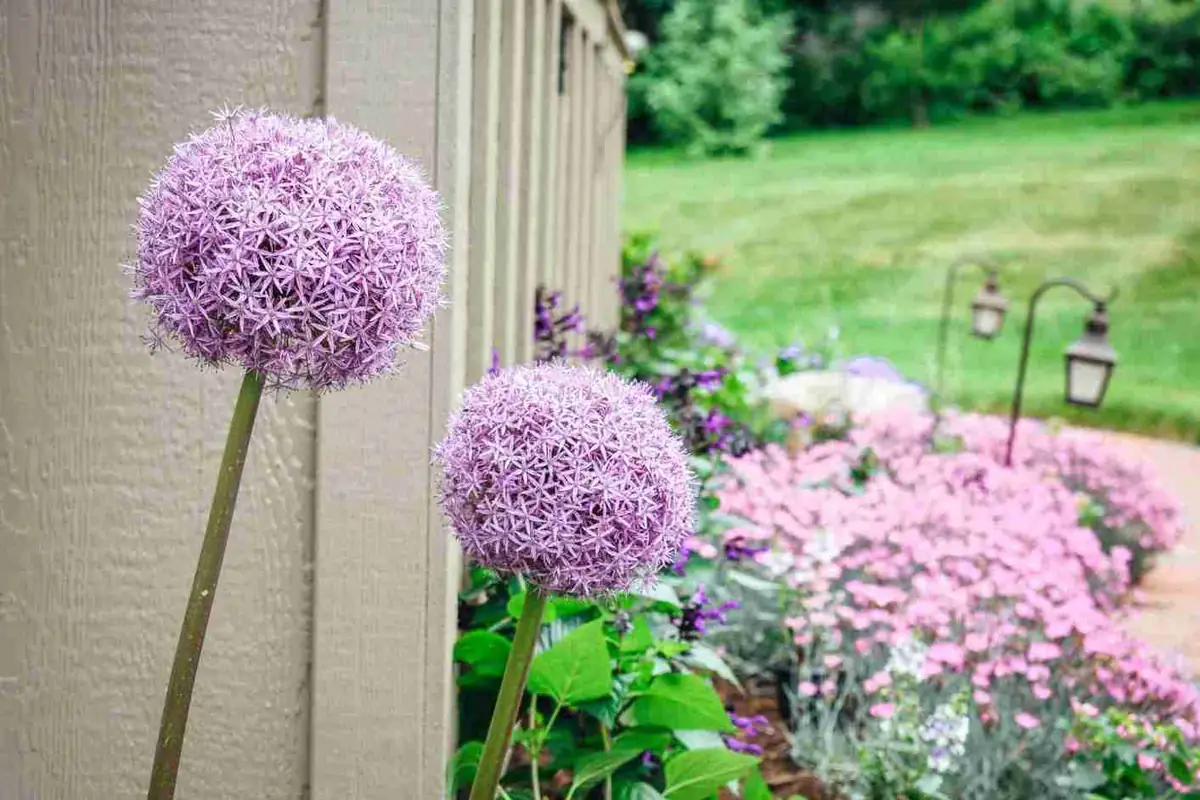
Allium, the ornamental onion family, is one of the most underused bulbs in Chester County residential landscapes. Their large spherical flower heads in purple and white emerge in late May and early June, standing above most perennials on tall stems and adding structural interest at a point in the season when most spring bulb colour has finished.
The Right Planting Approach: Depth, Grouping, and Placement
How bulbs are planted determines as much of the visual outcome as which bulbs are chosen. Scattered individual plantings rarely create the impact that clusters and drifts deliver, and incorrect planting depth is one of the most common reasons bulbs perform poorly or fail to return in subsequent years.
- Depth by bulb size: Large bulbs like tulips and daffodils are typically planted at a depth of six to eight inches from the base of the bulb. Smaller bulbs like crocus and grape hyacinth go in at three to four inches. The general guideline is two to three times the bulb's height
- Grouping for impact: Clusters of seven to fifteen bulbs of the same variety create far more visual impact than the same number scattered individually. Tight groupings read as intentional from a distance in a way that isolated plants do not
- Layering: On properties where bed space is limited, bulbs can be layered at different depths in the same area. Late-blooming large bulbs go in deepest, with mid and early small bulbs planted above them. Each layer emerges in sequence without competing for space
- Drainage: Bulbs rot in waterlogged soil. Placement in areas with good drainage, or on slightly raised beds, is essential for multi-year performance. A site that collects water after rain is not a good bulb location regardless of other considerations
- Sun exposure: Most spring bulbs need full sun to perform well. Under deciduous trees is an excellent location, since the canopy has not filled in when bulbs are in bloom, giving them the light they need before summer shade arrives
What a Professional Bulb Installation Covers
A professionally managed bulb installation from Pickel Landscape Group is not simply a planting service. It begins with an assessment of your property's specific conditions, sun exposure, drainage, soil type, and the existing planting context, so that variety selection and placement decisions are made around what will actually perform on your site rather than what looks good in a catalogue.
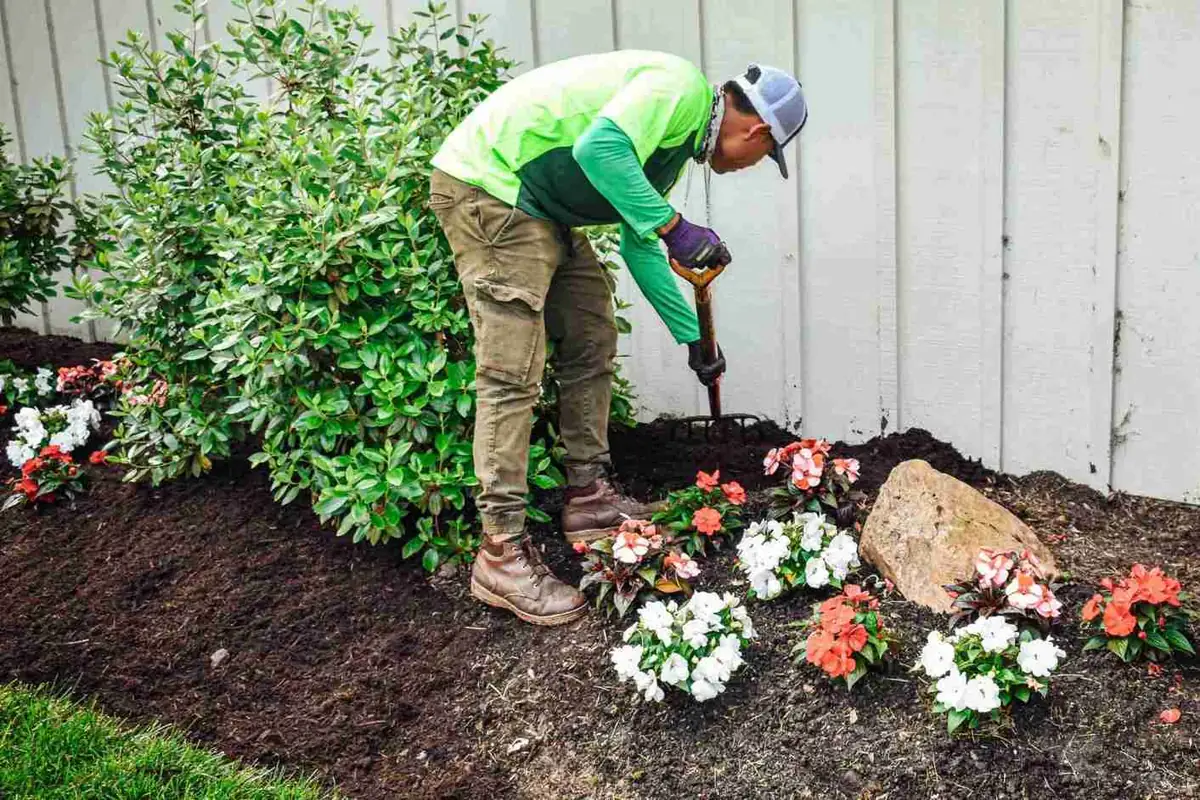
From there, we handle selection of high-quality bulbs from reputable suppliers, layout planning for maximum visual impact, and installation to the correct depths with appropriate spacing. For HOA properties and larger residential estates across Chester County, bulb installation can be scaled to create significant displays along entrance corridors, common area beds, and feature plantings that define the property's spring character.
Take a look at our portfolio to see spring planting results from Chester County properties, or browse our full services to understand how bulb installation fits within a seasonal planting programme. The fall planting window does not stay open long — request a consultation and we will assess your property and get your spring display planned before the ground closes.
Frequently Asked Questions About Bulb Installation in Chester County PA
Contact Pickel Landscape Group
Ready to book your spring bulb installation? Get in touch with our Chester County team. We serve Landenberg, West Chester, Kennett Square, Avondale, Hockessin, and northern Delaware.
Want a professional to take care of this for you? Learn more about our Tree & Shrub Planting service.
Related Articles
Why Fall Is the Best Time to Plant Trees and Shrubs in Chester County
Why fall is the best time to plant trees and shrubs in Chester County PA — cooler air, warm soil, and root establishment before winter.
Read moreWhy the Best-Looking Fall Landscapes Were Booked in August
The best-looking fall landscapes in Chester County PA were planned a season ahead. Here is what should already be on your radar.
Read moreLate-Summer Landscape Refresh: Getting Your Outdoor Space Ready for Fall
Ready to refresh your Chester County landscape before fall? Here's where to start, from plantings to lighting to hardscape updates.
Read more