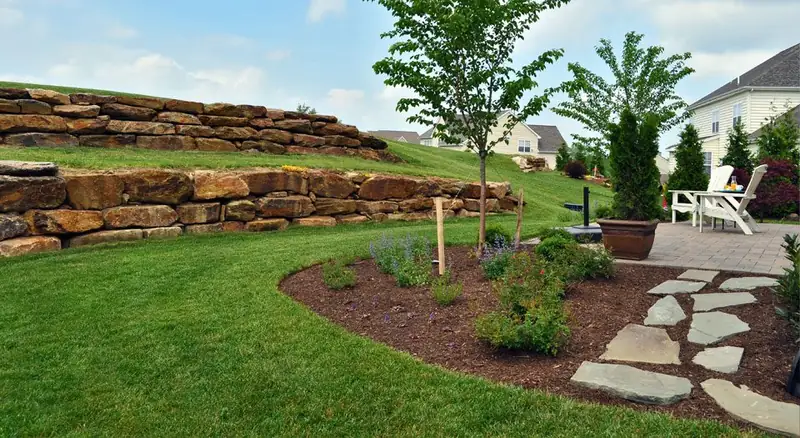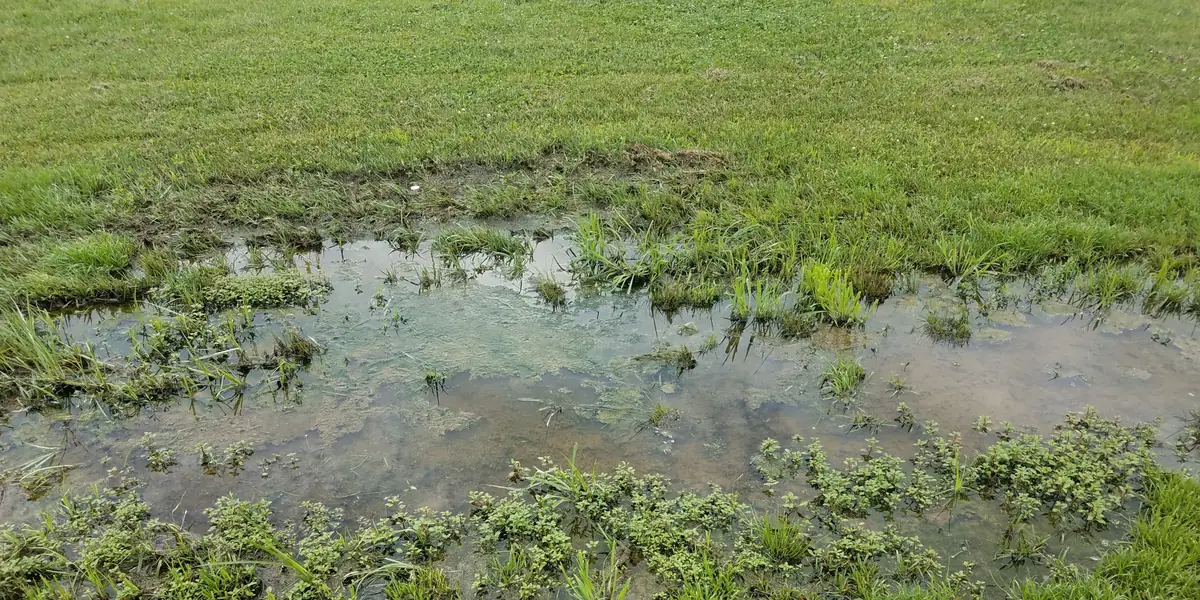
If your yard turns into a swamp every time a summer storm rolls through, you're not alone — and it's not something you have to live with. Chester County's summer thunderstorms are short, but they're intense, and they have a way of exposing drainage problems that have been quietly building on a property for years.
This isn't a cosmetic issue. Standing water, eroded mulch beds, and soggy turf are symptoms of a drainage system — natural or engineered — that isn't moving water the way it should. Left unaddressed, those symptoms tend to get worse, not better, especially as fall rains arrive on top of an already-saturated landscape.
Here's what's usually causing drainage problems on southeastern PA properties, and what an actual fix looks like.
The Most Common Drainage Problems We See in Chester County
Water Pooling Near the Foundation
Water that collects against a foundation after every storm is one of the more serious drainage issues a homeowner can have, because it puts the structure of the house at risk over time. Hydrostatic pressure from saturated soil can push moisture through foundation walls, contributing to basement dampness, cracking, and long-term structural wear.
Eroded Mulch Beds and Washed-Out Edging
A heavy downpour can undo an entire season's worth of bed maintenance in twenty minutes — carrying mulch into the lawn, undermining edging, and exposing plant roots. If this happens after every significant rain, it's usually a sign that water is being funneled through that bed rather than around it.
Soggy Low Spots in the Lawn
Turf areas that stay wet and spongy long after the rest of the yard has dried out are typically sitting in a natural low point — or a spot where grading has shifted over time to collect water instead of shedding it. These areas are also more prone to fungal turf disease during Pennsylvania's humid summers.
Water Pooling on Patios and Walkways
Hardscape that holds standing water after a storm is often a sign of a paver or slab installation that wasn't graded or drained correctly to begin with — a common issue with older or DIY patio and walkway work.
Why It Happens
Drainage problems rarely appear overnight. Most of the time, they're the result of one or more of the following:
- Grading that directs water toward the house instead of away from it — sometimes original to the property, sometimes the result of settling over time
- Compacted soil that can no longer absorb rainfall at the rate it's falling, a common issue in Chester County's clay-heavy soils
- Undersized, clogged, or aging drainage systems — downspouts and drain lines that were adequate when installed but haven't kept pace with mature landscaping or added hardscape
- Property changes over time — new patios, expanded driveways, mature plantings, or additions that change how water moves across a lot that wasn't originally designed to handle it
According to the U.S. Environmental Protection Agency, impervious surfaces and compacted soils significantly increase stormwater runoff compared to natural, permeable ground — which is part of why drainage problems tend to intensify as a property is developed and landscaped over the years. The Chester County Conservation District also notes that proper grading and stormwater management are among the most effective ways homeowners can reduce erosion and runoff-related damage on residential lots.
What Pickel's Drainage Solutions Include
There's no single fix that works for every property — the right solution depends on how water is actually moving across your specific lot. Our drainage work typically draws from:
Subsurface Drain Lines
A perforated pipe set in a gravel-filled trench that intercepts water below the surface and redirects it to a safe discharge point — one of the most effective ways to solve a persistent wet spot or foundation seepage issue.
Regrading
Reshaping the slope of a lawn or bed so water moves away from structures and toward where it should naturally drain, rather than collecting in low spots.
Rain Gardens
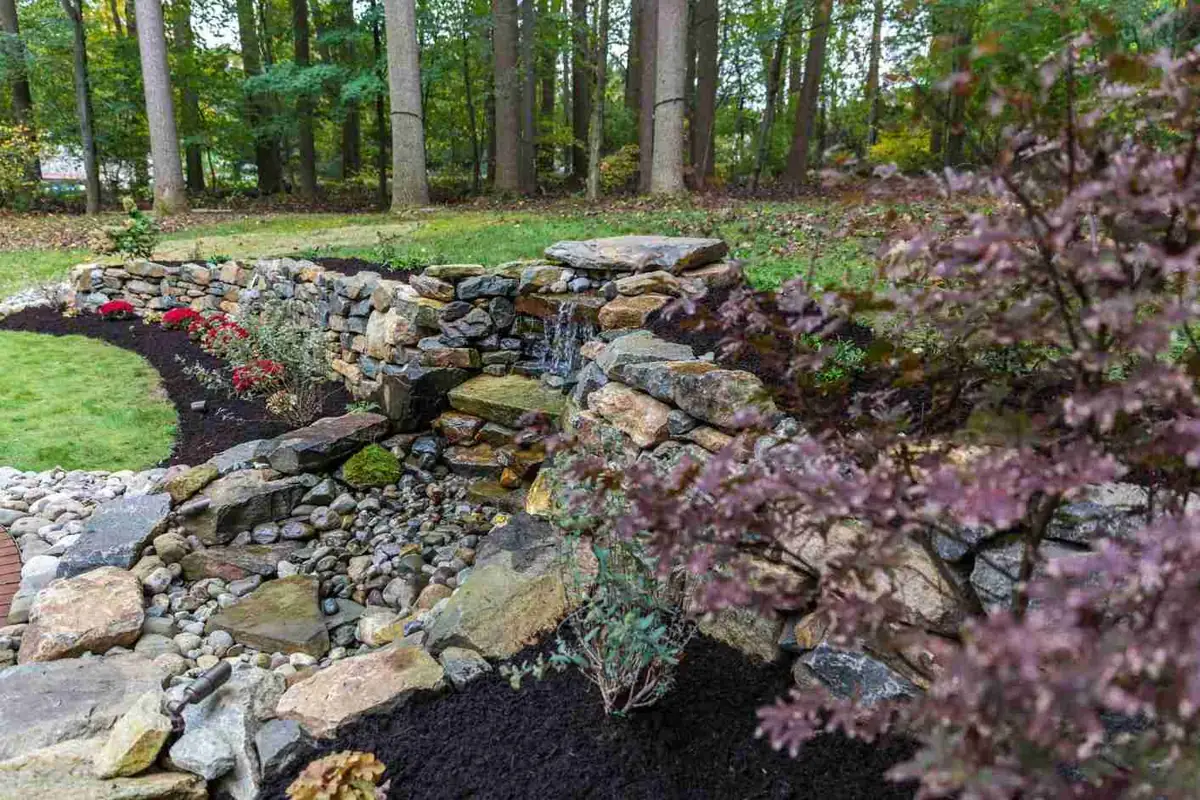
A planted depression designed to collect and slowly absorb runoff from a roof, driveway, or lawn area — an attractive, low-maintenance solution that also supports better soil health and reduces runoff leaving the property.
Permeable Paving
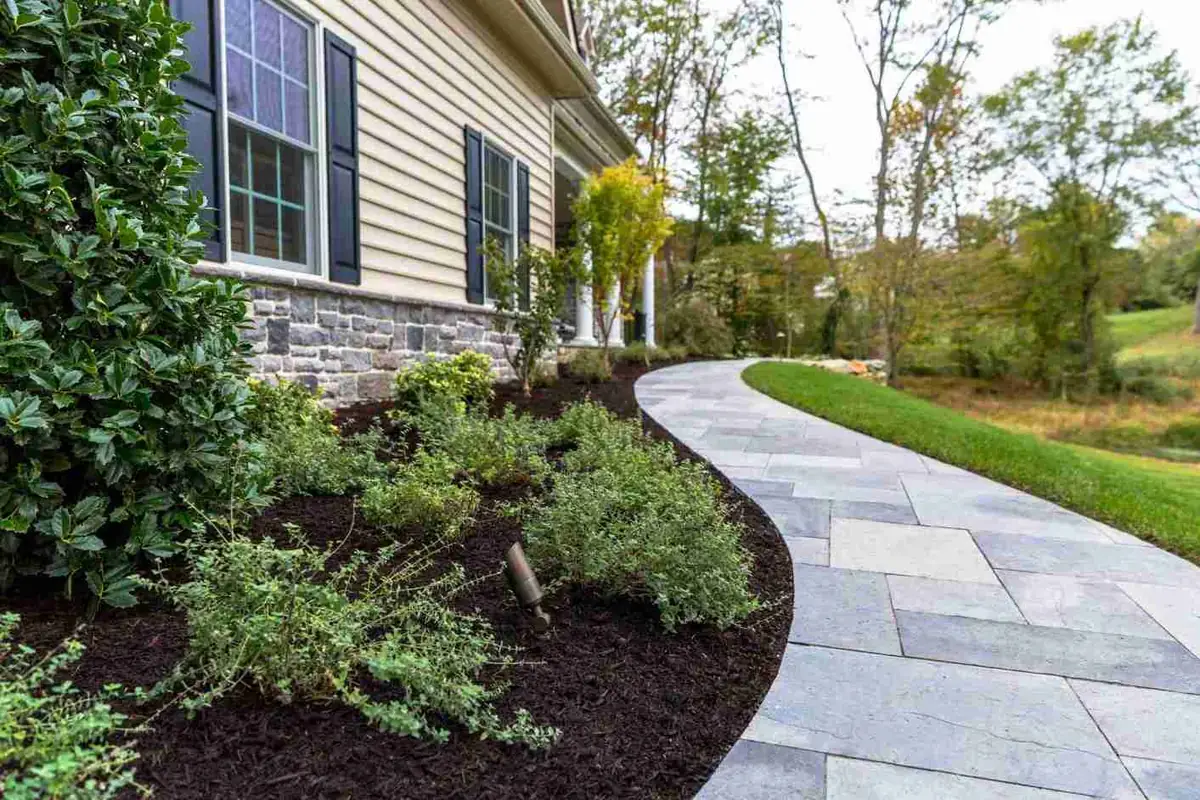
Paver systems that allow water to filter through the surface and into the ground below, reducing runoff from patios, walkways, and driveways without sacrificing a finished, hardscaped look.
Downspout Management
Extending, redirecting, or connecting downspouts to a drainage system so roof runoff — often the single largest contributor to yard flooding — is carried well away from the foundation and planting beds.
Why Now Is the Time to Get It Assessed
Chester County's summer storm season is short but intense, and it's typically followed by a wetter fall. A drainage system that's already struggling to keep up with July and August storms will only come under more pressure once regular fall rains set in. Addressing the problem now — while the ground is workable and before the next round of storms — is far less disruptive than dealing with a flooded basement or a washed-out bed edge later in the season.
For a closer look at how this plays out on a real property, see our stormwater drainage makeover case study.
How Pickel Landscape Group Approaches Drainage
The Pickel Landscape Group team has worked since 2007 on properties across Landenberg, West Chester, Kennett Square, Avondale, Hockessin, and northern Delaware — and drainage problems look different on almost every one of them. Our approach starts with actually watching how water moves across your property, not applying a generic fix.
Take a look at our portfolio to see drainage and hardscape projects we've completed for Chester County properties, and browse our full services to see how drainage work fits alongside our design, planting, and maintenance offerings.
Don't Wait for the Next Storm
If standing water, erosion, or a soggy lawn has been a recurring frustration on your property, the best time to address it is before — not after — the next storm rolls through.
Request a consultation and our team will walk your property, identify exactly where and why water is collecting, and put together a drainage plan built for Chester County's Mid-Atlantic climate.
Frequently Asked Questions About Drainage Solutions
Contact Pickel Landscape Group
Ready to schedule a drainage assessment for your Chester County property? Get in touch with the team — we serve Landenberg, West Chester, Kennett Square, Avondale, Hockessin, and northern Delaware.
Related Articles
Stormwater Drainage Makeover in Chester County
See how a troubled driveway drainage problem was transformed into a beautiful landscape feature with a boulder-lined swale.
Read moreSolving Garden Drainage Issues in Chester County
See how professional drainage solutions in Chester County solved standing water and protected a homeowner's landscape and foundation.
Read moreHow to Spot & Fix Winter Drainage Issues in Southeastern PA
Learn how to spot winter drainage issues in Southeastern PA and prevent water damage before spring arrives.
Read more