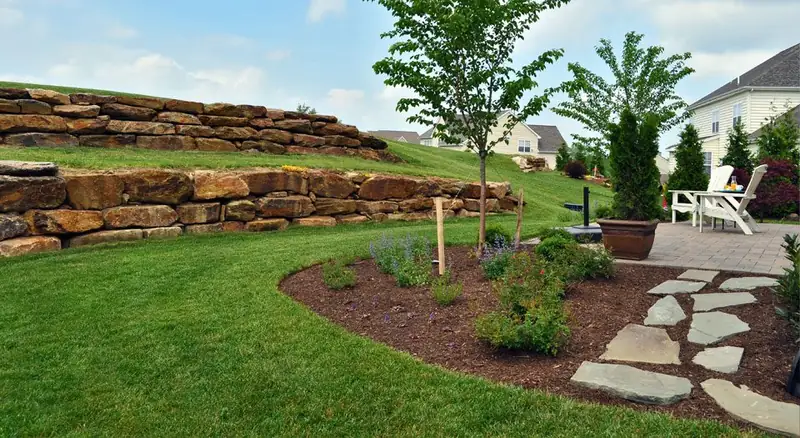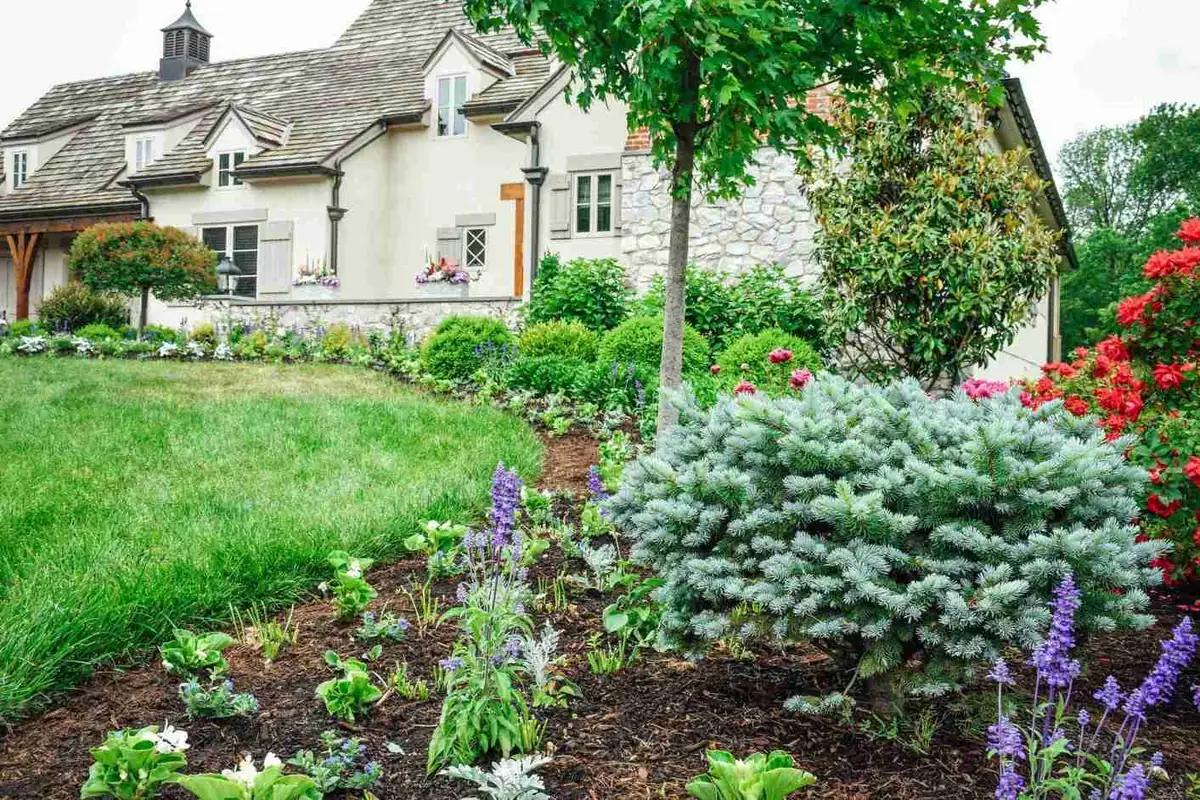
Every property in Chester County has its own collection of microclimates — small zones where conditions differ from the overall USDA hardiness rating of 6b–7a. A south-facing stone wall might be a full zone warmer, while a shaded north slope stays cooler and moister.
Understanding and leveraging these microclimates is one of the most powerful tools in landscape design. It lets you grow plants that wouldn't normally thrive in your zone, reduce maintenance, and create healthier, more resilient gardens.
What Creates a Microclimate?
Microclimates are created by the interplay of several factors:
- Sun exposure: South- and west-facing areas receive more heat and light; north-facing slopes stay cooler
- Thermal mass: Stone walls, concrete patios, and buildings absorb heat during the day and release it at night, creating warmer zones
- Topography: Cold air sinks — low spots and valleys are colder than hilltops (frost pockets)
- Wind patterns: Sheltered areas behind buildings, fences, or dense plantings are protected from drying winds
- Moisture: Areas near downspouts, swales, or ponds stay wetter; raised beds and slopes drain faster
The Penn State Extension notes that microclimates can vary by an entire hardiness zone within a single property.
Identifying Microclimates on Your Property
The best way to map your microclimates is through observation across seasons:
- Where does frost appear first in fall — and linger longest in spring?
- Which areas dry out fastest after rain?
- Where does snow melt first?
- Which spots are consistently windier or calmer?
- Where do plants consistently outperform or struggle?
Document these observations over a full year and you'll have a detailed microclimate map unique to your property.
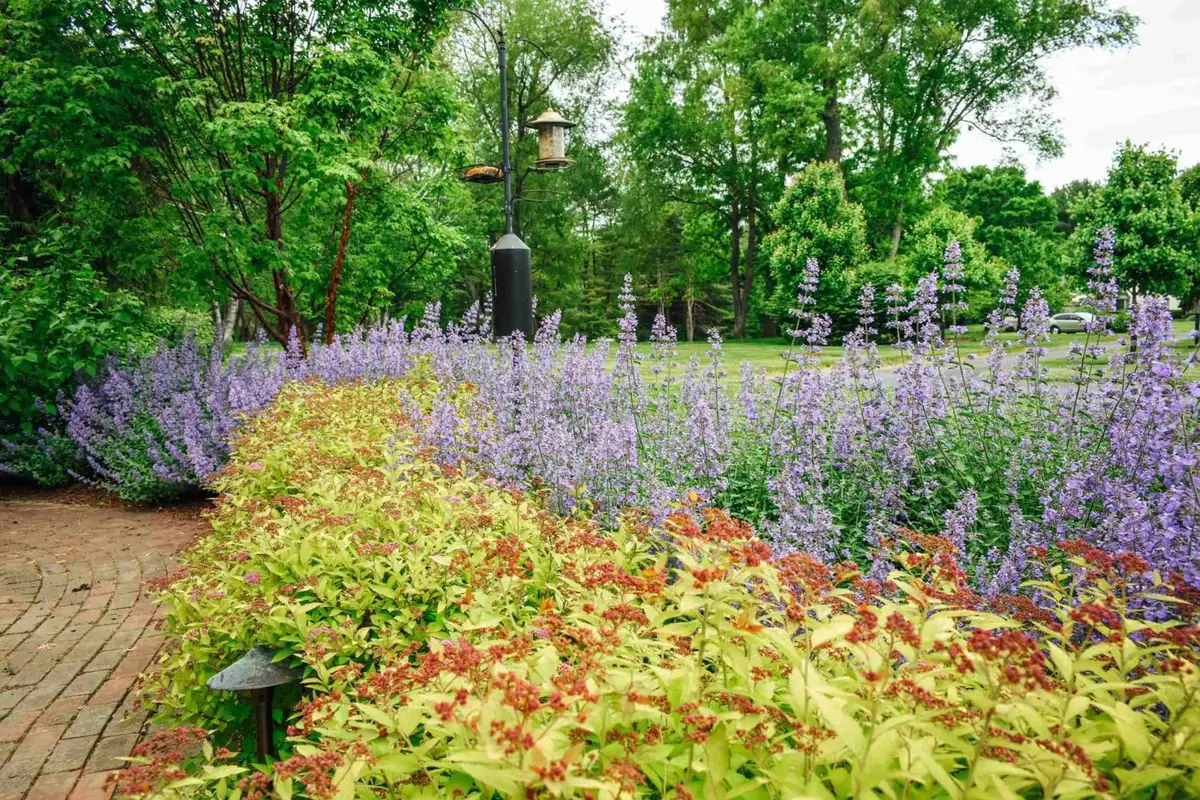
Designing with Microclimates
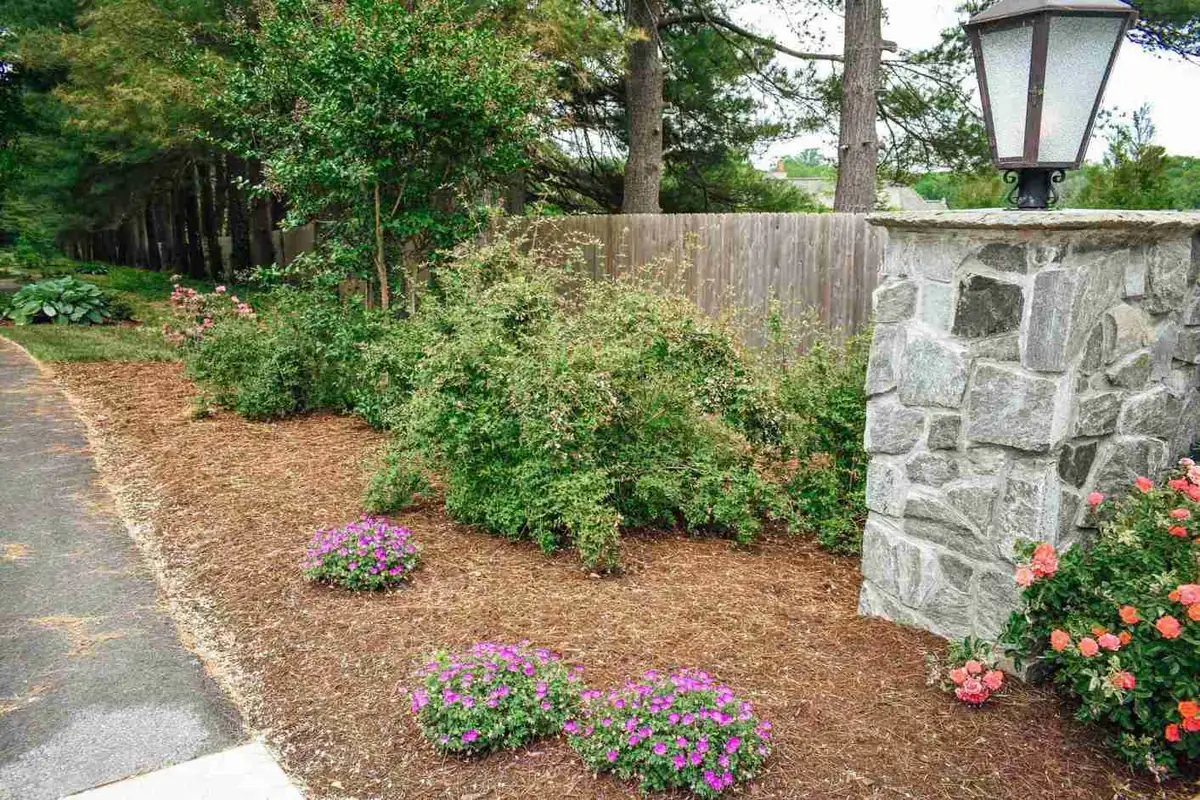
Warm zones: South-facing beds against stone or brick walls are ideal for plants that need extra warmth — like certain roses, figs, or borderline-hardy perennials. These spots can extend your growing season by weeks.
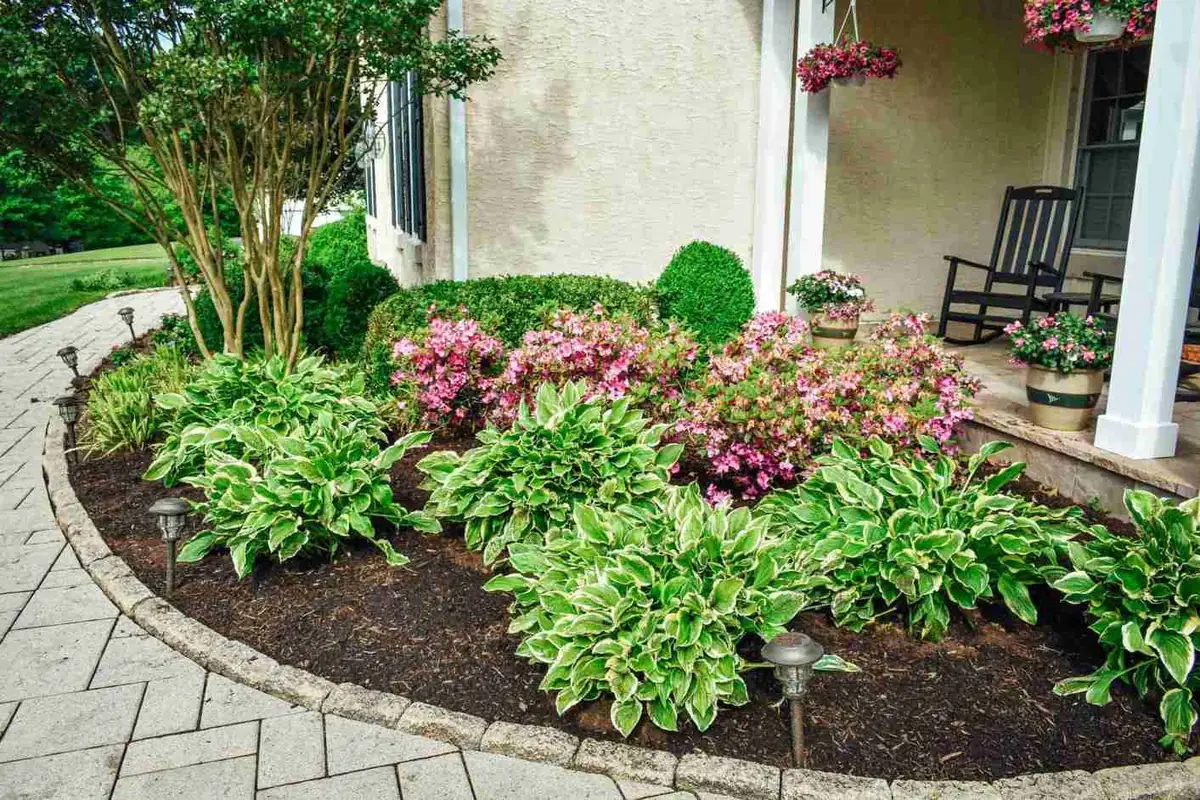
Cool, moist zones: North-facing slopes or shaded areas under tree canopies are perfect for hostas, ferns, astilbe, and other shade lovers that struggle in direct sun.
Protected zones: Areas shielded from prevailing winds by buildings, fences, or evergreen hedges protect delicate plants from desiccation and wind damage.
Creating Microclimates with Hardscape and Plantings
You can intentionally create microclimates through thoughtful landscape design:
- Stone retaining walls absorb solar heat and radiate warmth, protecting adjacent plantings from frost
- Windbreak plantings of evergreen hedges reduce wind speed and create sheltered zones
- Raised beds improve drainage and warm faster in spring
- Water features moderate temperature extremes in surrounding areas
Our patio and walkway installations also contribute thermal mass that subtly warms adjacent garden beds.
Frequently Asked Questions
Design a Garden That Works with Nature
Pickel Landscape Group designs gardens that leverage your property's unique conditions for healthier, more beautiful results.
Related Articles
Plant This Fall, Bloom This Spring: A Guide to Bulb Installation in Chester County
Plant this fall, bloom this spring. Bulb installation in Chester County PA — layering, depths, and what full installation includes.
Read moreWhy Fall Is the Best Time to Plant Trees and Shrubs in Chester County
Why fall is the best time to plant trees and shrubs in Chester County PA — cooler air, warm soil, and root establishment before winter.
Read moreWhy the Best-Looking Fall Landscapes Were Booked in August
The best-looking fall landscapes in Chester County PA were planned a season ahead. Here is what should already be on your radar.
Read more