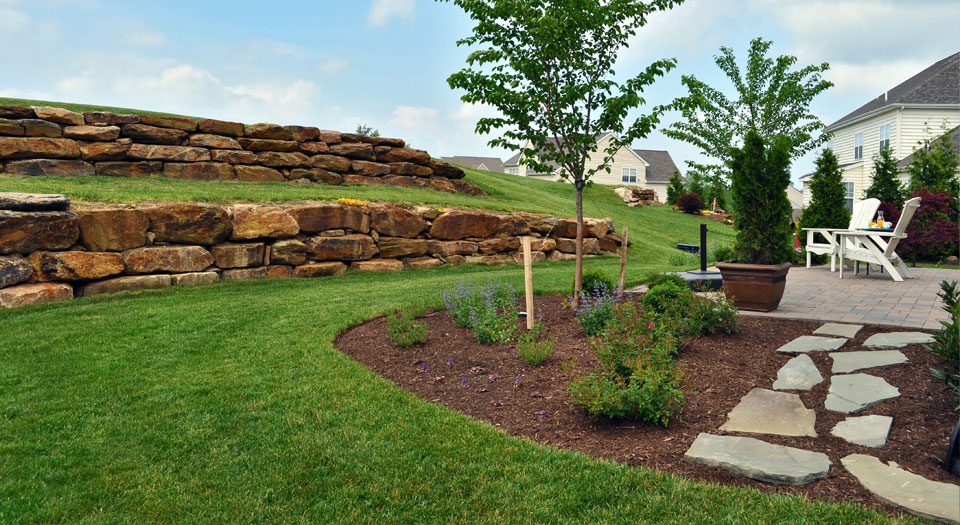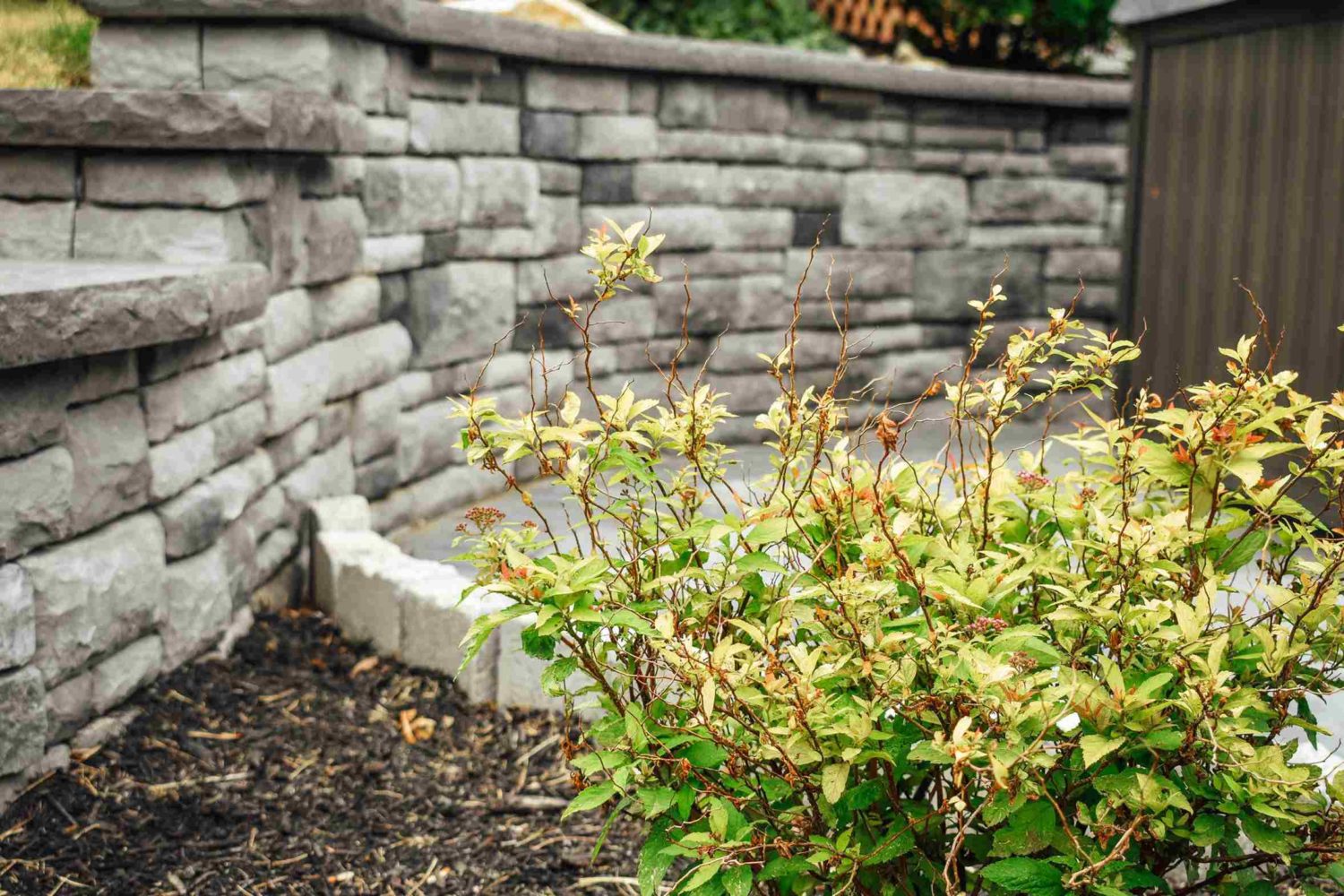
As the fall weather sets in across Chester County, one of the most important — yet often overlooked — tasks for homeowners in West Chester is preparing drainage systems for the coming winter. Heavy rains, melting snow, and freezing temperatures can magnify even minor drainage issues, leading to basement leaks, soil erosion, and landscape damage.
When temperatures drop, the ground's ability to absorb water diminishes. This results in increased surface runoff, especially during rainstorms or sudden snow melts. Combined with freeze-thaw cycles, the water can shift soil, crack hardscape, and cause structural issues.
Common Warning Signs of Drainage Problems
If your property has experienced water pooling in the lawn or near your foundation, soggy spots that persist long after a storm, or any signs of soil erosion, it may be time to address your drainage system. Even minor basement dampness or mildew smells can be a red flag.
These signs suggest that water isn't being directed away effectively — and that can lead to bigger issues once the ground freezes and water has nowhere to go.
Effective Winter Drainage Solutions
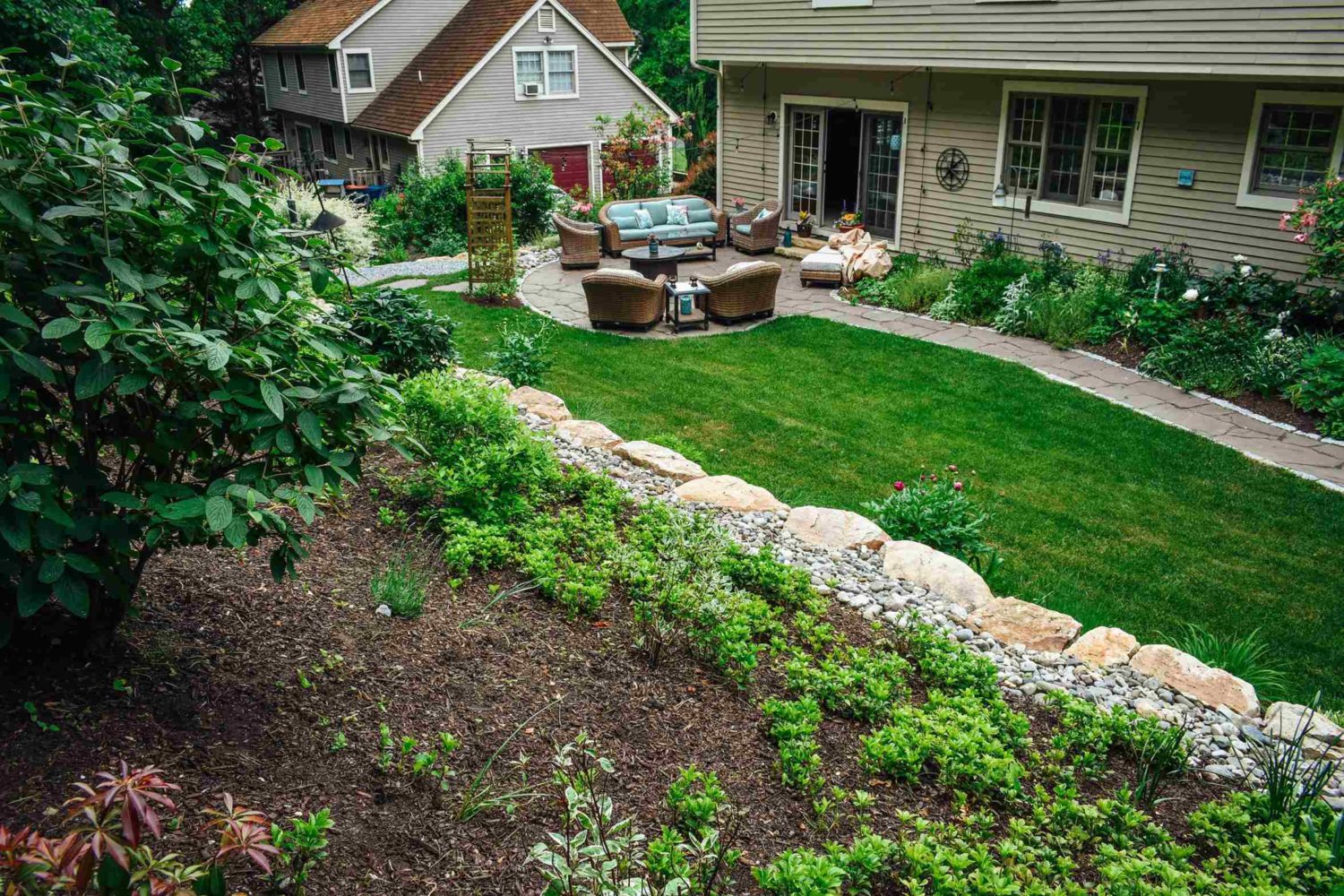
Regrading: The ground should slope away from your home at a rate of about one inch per foot for at least five to ten feet. This prevents water from pooling near your foundation and redirects it into areas where it can safely soak into the soil or drain away.
French Drains: These systems use perforated pipes, typically surrounded by gravel and wrapped in fabric, to capture water below the surface and carry it away from your home. French drains are often installed along foundation walls, beneath patios, or along sloped areas where water tends to collect.
Downspout Extensions: Instead of letting water pour out just a few feet from your home, extensions carry it ten to fifteen feet away — or more. They can be tied into a dry well or connected to a stormwater system.
Catch Basins and Channel Drains: For specific problem spots, catch basins collect surface water in low areas and direct it into underground piping. Channel drains are ideal for managing runoff along driveways, patios, or walkways.
Creative Drainage Features

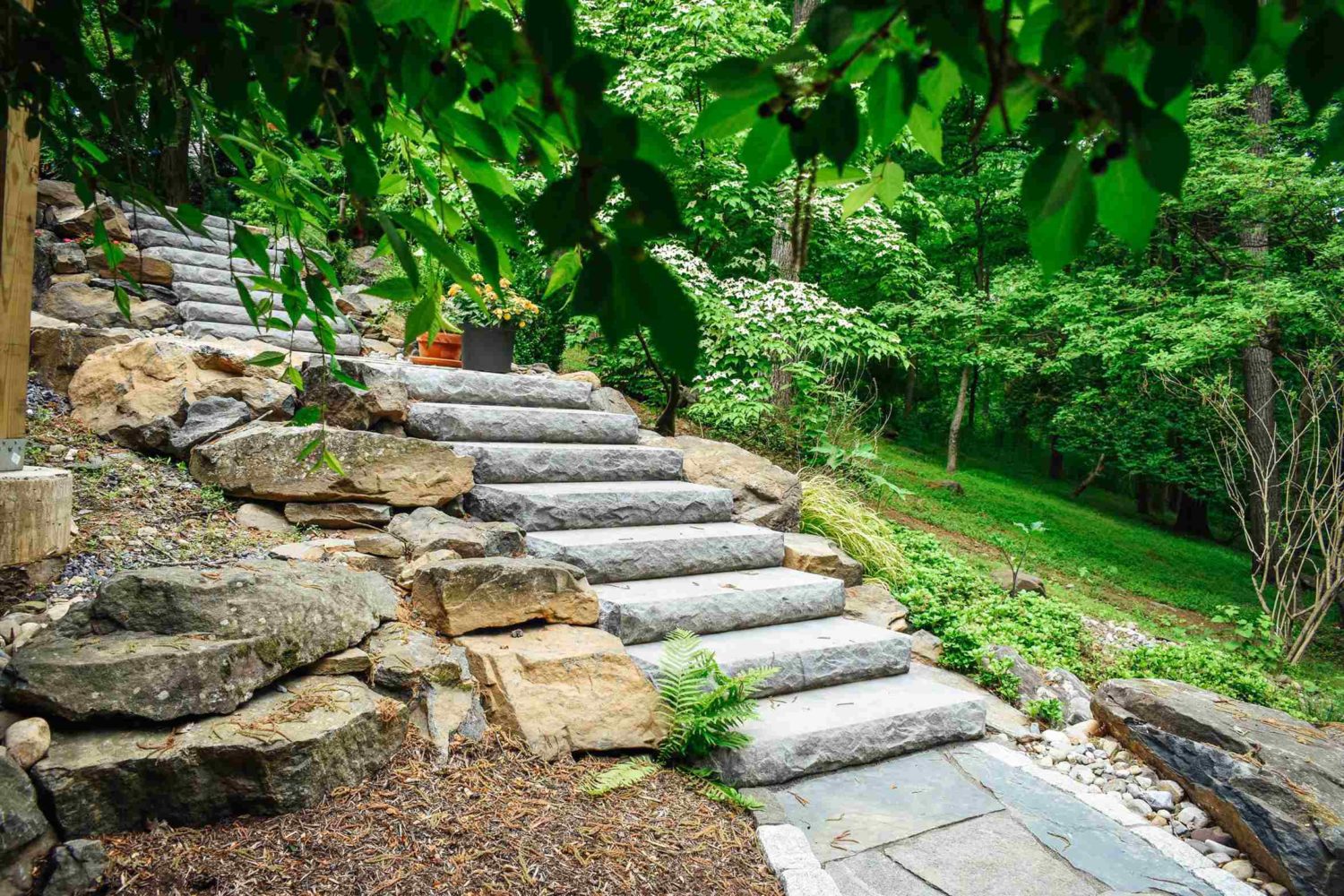
Bioswales, dry creek beds, and rain gardens can be both functional and attractive. These naturalistic designs — part of the broader green infrastructure approach promoted by the EPA — manage water flow while enhancing the landscape. A bioswale or dry creek bed mimics the look of a natural stream, guiding runoff through a planted or stoned channel.
Rain gardens, planted with water-tolerant native species, absorb excess runoff and support pollinators — turning a drainage challenge into a landscape feature.
Winter Maintenance Tips for Drainage Systems
Before the first freeze, inspect your gutters and downspouts to ensure they are free of debris. Drains and catch basins should be cleared of leaves and sediment, and any surface systems should be checked for signs of blockage or damage. After major fall storms, walk your property and watch how water flows during rain to identify trouble spots early.
Frequently Asked Questions
Trust Pickel Landscape Group for Your Drainage Needs
Don't wait for winter weather to expose weaknesses in your drainage system. Contact us today for a consultation and prepare your West Chester property with proven, professional drainage solutions.
Related Articles
Stormwater Drainage Makeover in Chester County
A troubled driveway drainage problem transformed into a beautiful landscape feature.
Read moreSolving Garden Drainage Issues in Chester County
Professional drainage solutions that solved standing water and protected a home.
Read moreHow to Spot & Fix Winter Drainage Issues in Southeastern PA
Spot winter drainage issues and prevent water damage before spring.
Read more