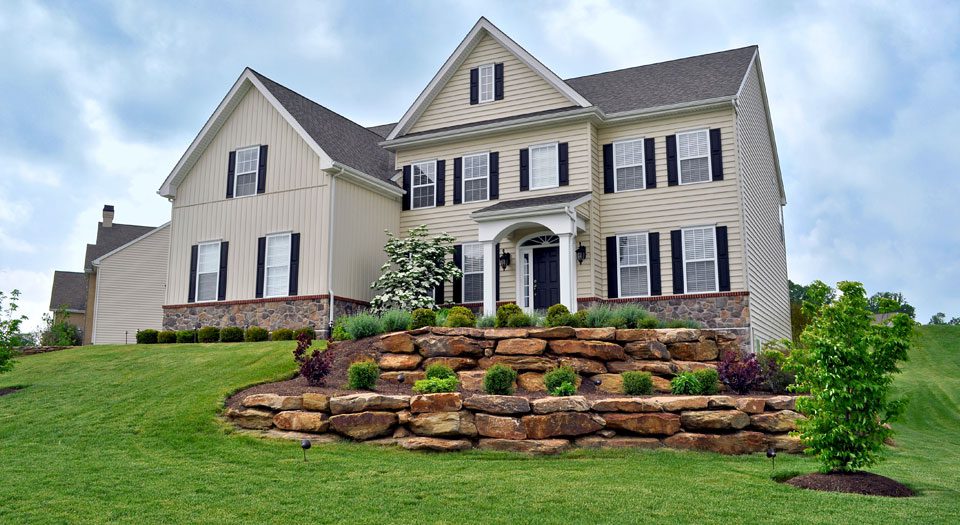
Winter is one of the most revealing seasons for drainage problems in Southeastern Pennsylvania. Snowfall, melting ice, and frequent freeze-thaw cycles place extra stress on the landscape, often exposing issues that remain hidden during drier months. While many homeowners wait until spring to think about drainage, winter is actually the best time to identify and plan solutions before damage worsens.
Common Signs of Winter Drainage Issues
As snow melts and the ground repeatedly freezes and thaws, water tends to collect in areas where drainage is poor. Homeowners may notice water pooling in low spots long after snow has disappeared. Lawns may feel soft or spongy even in cold temperatures, and ice may form repeatedly in the same areas due to standing water refreezing overnight.
One of the most concerning signs is water collecting near a home's foundation. During winter thaws, this water has nowhere to go, increasing the risk of basement leaks, foundation stress, and long-term structural damage.
How Winter Weather Makes Drainage Problems Worse
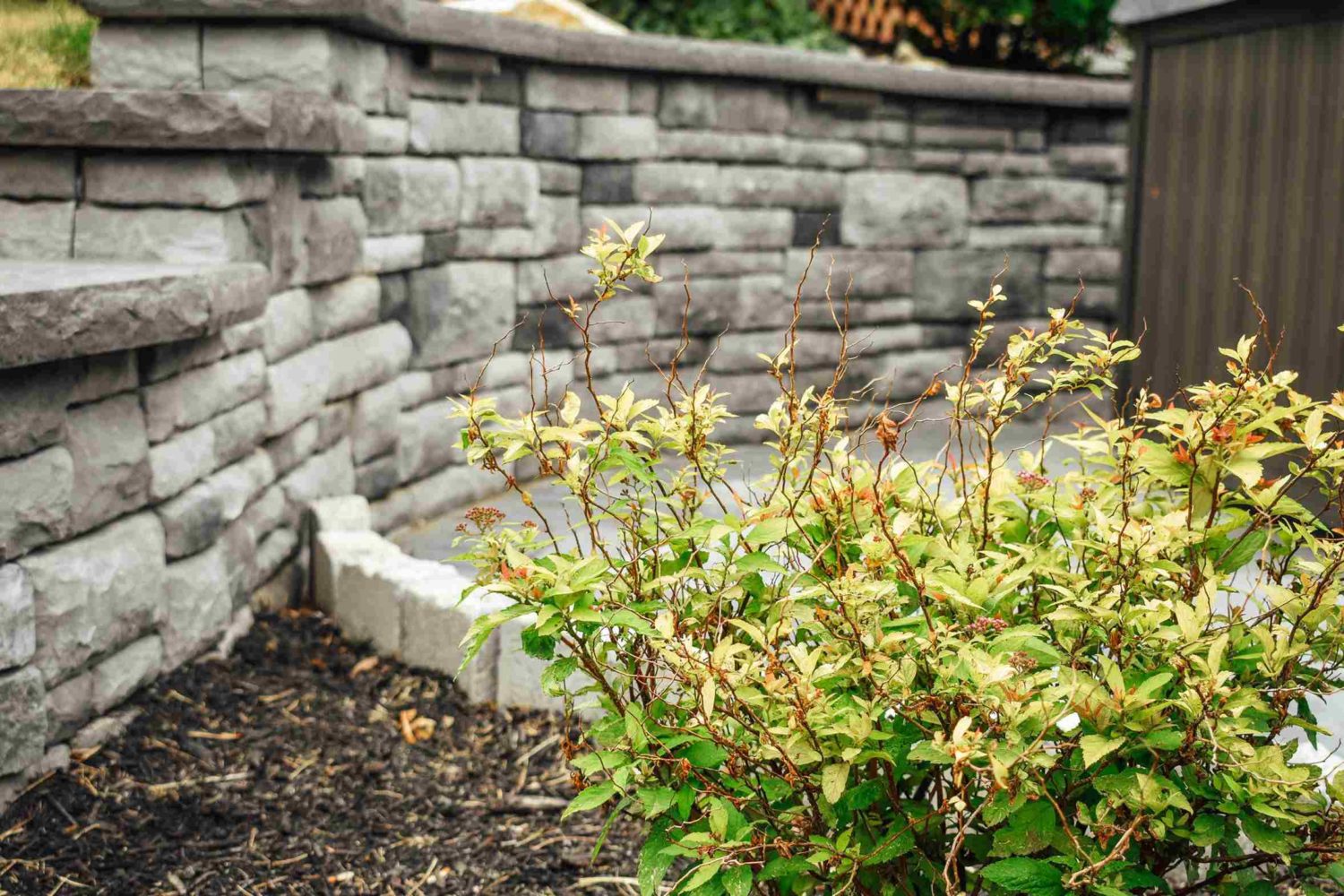
Frozen ground prevents water from soaking into the soil, forcing it to move across the surface instead. When snow melts quickly or rain falls during a thaw, the landscape can't absorb the excess moisture. As a result, water settles into low areas, saturates turf, and erodes soil.
Over time, this repeated saturation weakens grass roots, suffocates plants, and creates muddy conditions that persist well into spring. Without proper drainage, lawns struggle to recover, and planting beds may experience root rot or washout.
What Homeowners Can Do During Winter
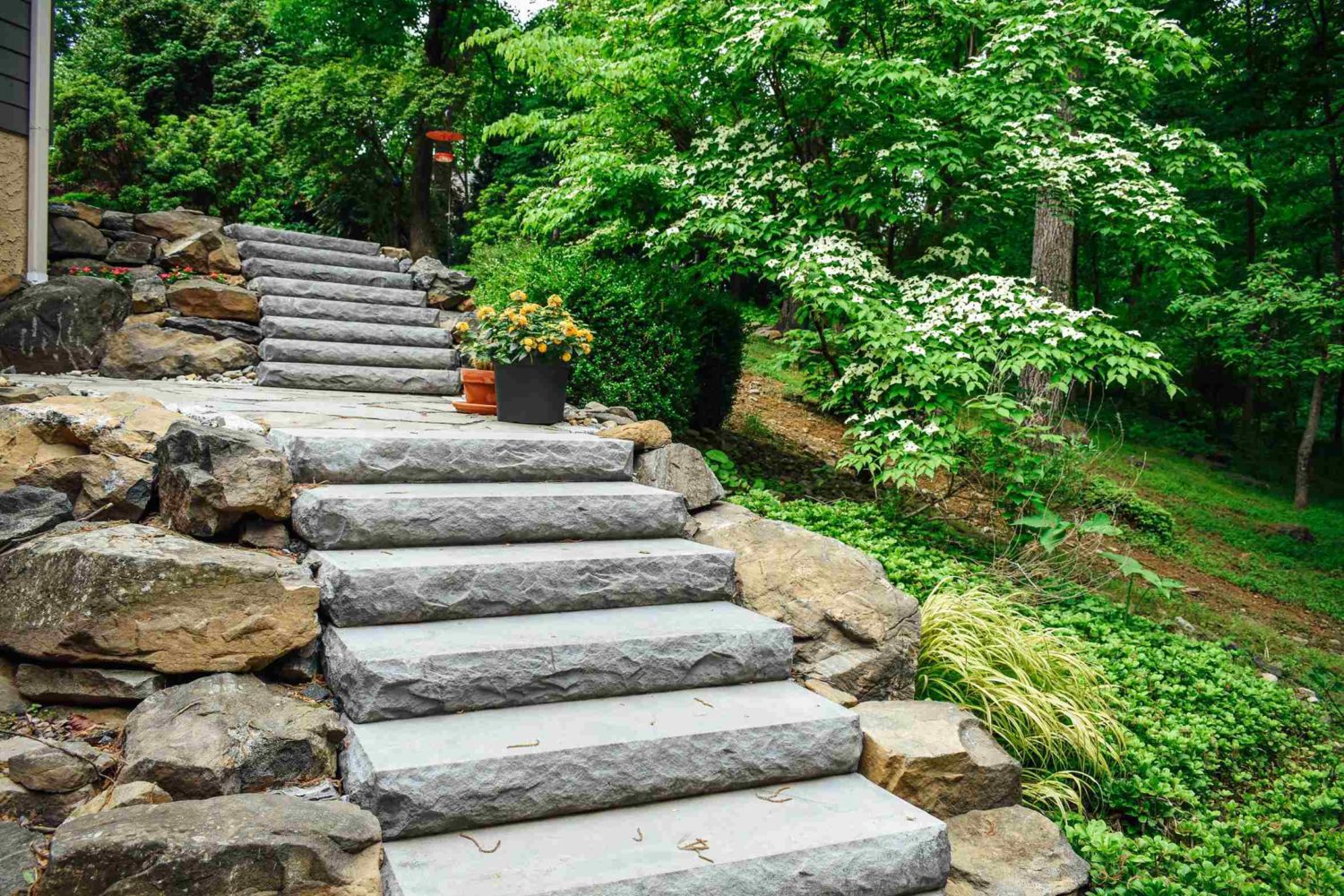
While permanent drainage fixes are best handled by professionals, winter is an excellent time for homeowners to observe and document problem areas. Pay attention to where water consistently pools, how long it takes to drain, and whether runoff flows toward or away from the home.
Keeping downspouts clear and ensuring they discharge water away from the foundation can help reduce immediate issues. It's also important to avoid piling snow near foundations or planting beds, as concentrated snowmelt can overwhelm already stressed drainage areas.
Professional Solutions for Winter Drainage
Addressing winter drainage issues in Southeastern PA often requires more than a surface-level fix. Pickel Landscape Group designs custom drainage solutions based on soil conditions, grading, and water flow patterns. Depending on the situation, this may include installing French drains to manage groundwater, surface drains to capture runoff, or correcting grading issues to redirect water naturally.
Winter evaluations allow time to properly plan these solutions so installation can begin as soon as conditions allow. Taking action early prevents spring from becoming a season of frustration and damage.
Frequently Asked Questions
Schedule a Winter Drainage Evaluation
If your yard stays soggy, water pools after snowmelt, or runoff collects near your home, winter is sending you a warning sign. Contact Pickel Landscape Group today to schedule a drainage inspection.
Related Articles
Stormwater Drainage Makeover in Chester County
A troubled driveway drainage problem transformed into a beautiful landscape feature.
Read moreSolving Garden Drainage Issues in Chester County
Professional drainage solutions that solved standing water and protected a home.
Read moreWinter Drainage Solutions for West Chester
Smart drainage solutions to protect your West Chester property from water damage.
Read more