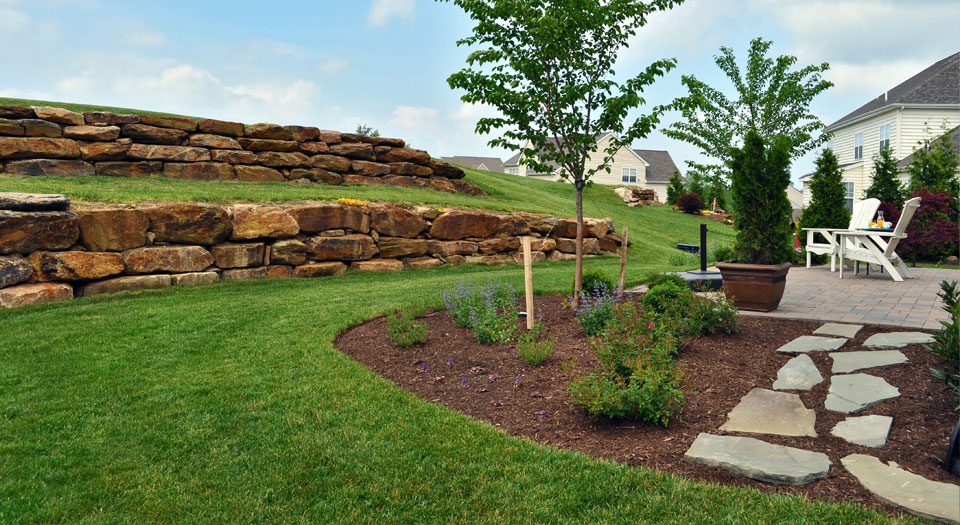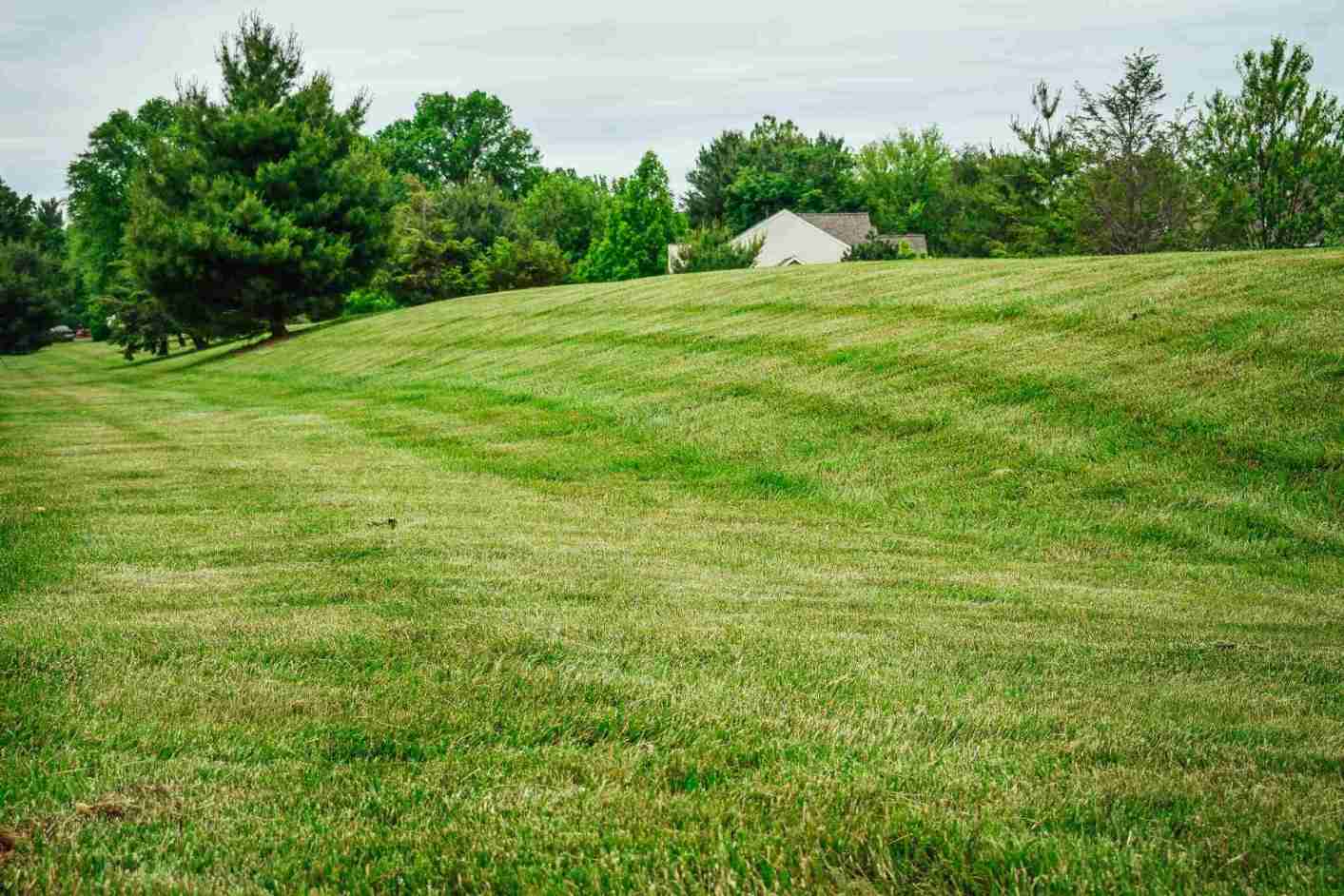
A lush, healthy lawn doesn't require hours of backbreaking work every weekend. With the right techniques and timing, you can keep your Chester County yard looking beautiful with minimal effort. Whether you're in West Chester, Kennett Square, or Landenberg, these tips will help you maintain a thriving lawn year-round.
1. Mow at the Right Height
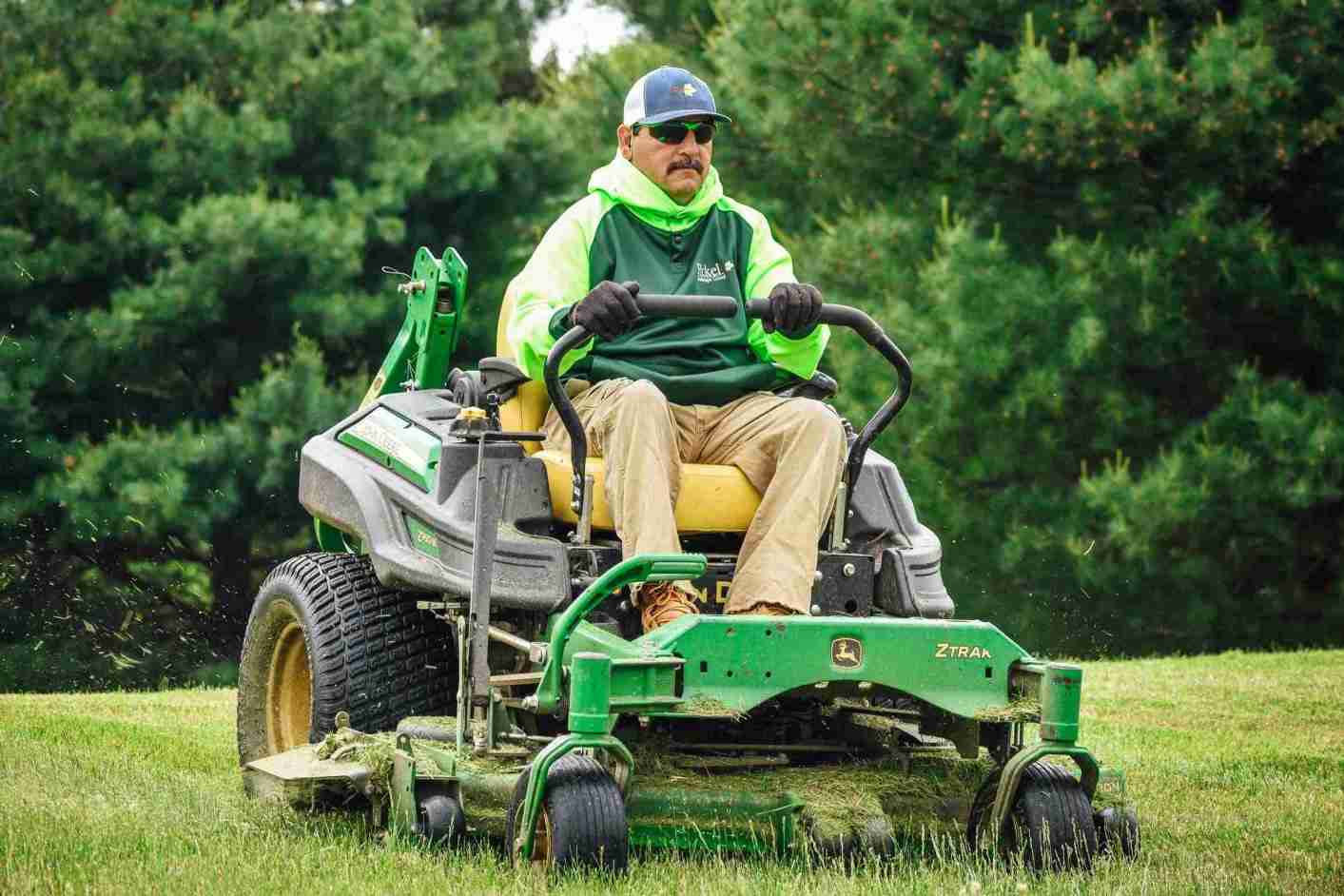
One of the most common lawn care mistakes is cutting grass too short. The Penn State Extension recommends keeping cool-season grasses at 3–3.5 inches. Taller blades shade the soil, retain moisture, and crowd out weeds naturally.
Keep your mower blade sharp — dull blades tear grass, leaving brown, ragged tips that are vulnerable to disease.
2. Water Deeply, Not Often
Most lawns need about 1 inch of water per week, including rainfall. Instead of daily light sprinkling, water deeply 2–3 times per week to encourage deep root growth. Early morning watering (6–10 a.m.) minimizes evaporation and reduces fungal problems.
If you're unsure whether your lawn needs water, simply walk across it — if the grass doesn't spring back, it's time to water.
3. Feed Your Lawn Seasonally
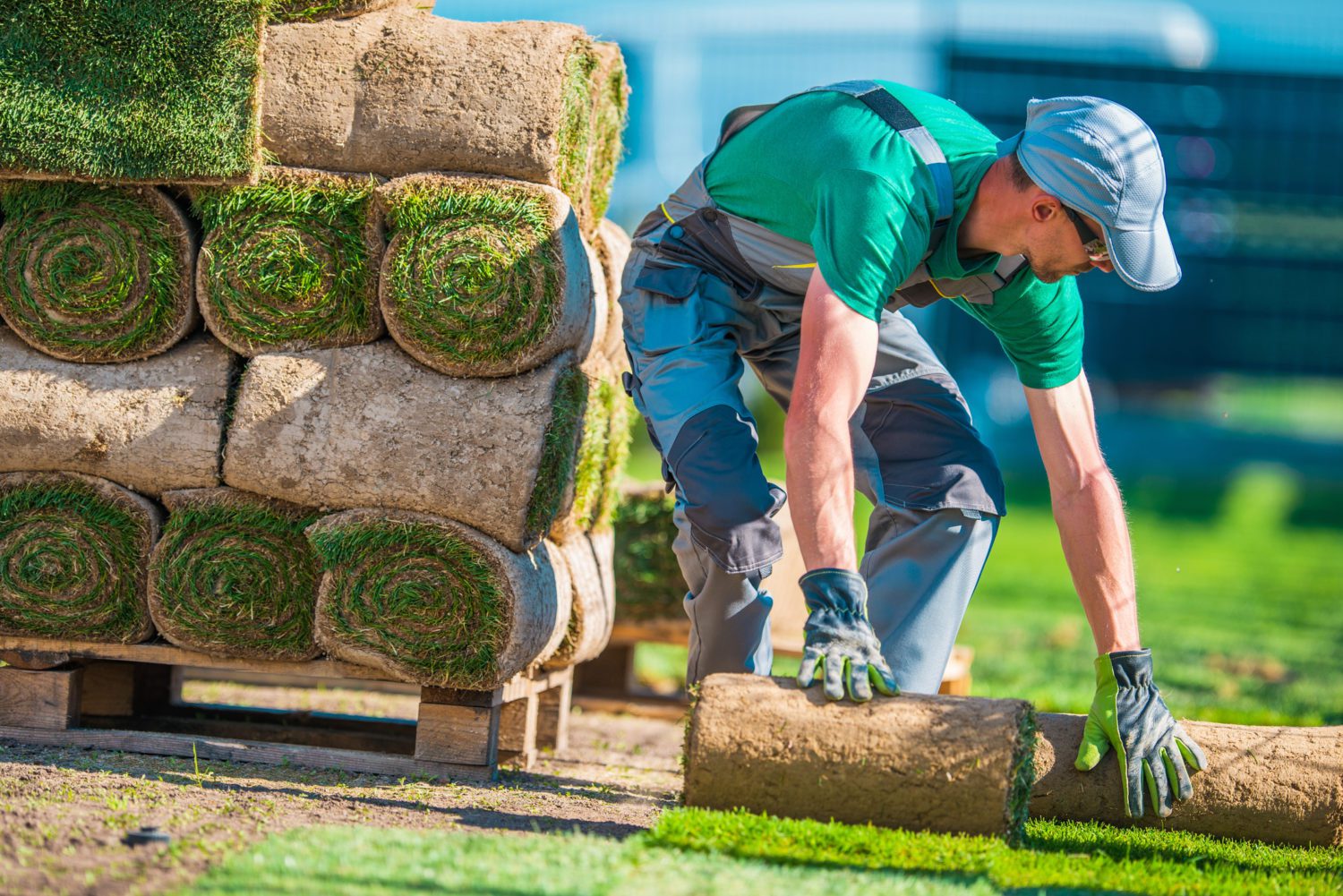
In Chester County's Zone 6b–7a climate, cool-season grasses benefit from fertilizing in early fall (September) and again in late fall (November). Spring fertilization should be light to avoid encouraging excessive top growth at the expense of roots.
The USDA recommends soil testing every 2–3 years to understand your lawn's specific nutrient needs before applying fertilizer.
4. Mulch Beds, Not Just Lawns
A well-mulched landscape supports a healthy lawn by reducing competition from weeds and retaining soil moisture. Apply 2–3 inches of hardwood mulch around trees, shrubs, and garden beds — but keep it away from tree trunks to prevent rot.
Learn more about the benefits of seasonal mulching in our winter mulching guide.

5. Aerate and Overseed in Fall
Compacted soil prevents water, air, and nutrients from reaching grass roots. Core aeration in early fall relieves compaction, and overseeding immediately after fills in thin or bare areas. This one-two punch is the most effective way to rejuvenate a struggling lawn.
Pair aeration with a fall fertilizer application for maximum impact heading into winter dormancy.
6. Address Weeds Early
The best weed defense is a thick, healthy lawn. But when weeds do appear, tackle them early before they spread. Pre-emergent herbicides in early spring prevent crabgrass and other annuals, while hand-pulling or spot-treating broadleaf weeds keeps them in check.
Avoid blanket herbicide applications — targeted treatment protects beneficial soil organisms and reduces chemical use.
Frequently Asked Questions
Need Professional Lawn & Landscape Care?
Pickel Landscape Group offers expert planting, mulching, and landscape maintenance throughout Chester County and Northern Delaware.
Related Articles
Summer Landscaping Ideas for Landenberg Homes
Expert tips to boost curb appeal, reduce maintenance, and enhance outdoor living.
Read moreHow to Protect Your Garden from Heat in Chester County
Mulching, watering strategies, shade planning, and heat-tolerant plants.
Read moreHardscaping or Landscaping — Which is Right for Your Property?
Learn the difference and discover which approach is best for your Landenberg home.
Read more