Chester County summers bring stretches of intense heat and humidity that can stress even the most established gardens. Wilting leaves, scorched blooms, dried-out beds, and struggling shrubs are common signs that your landscape is feeling the pressure. The good news is that with the right preparation and a few proactive strategies, you can protect your garden from heat damage and keep it looking its best all season long.
Whether you're maintaining a mature landscape or building a new one, understanding how heat affects your plants — and what you can do about it — is essential for any Chester County homeowner who values their outdoor space.
Mulch: Your Garden's Best Defense
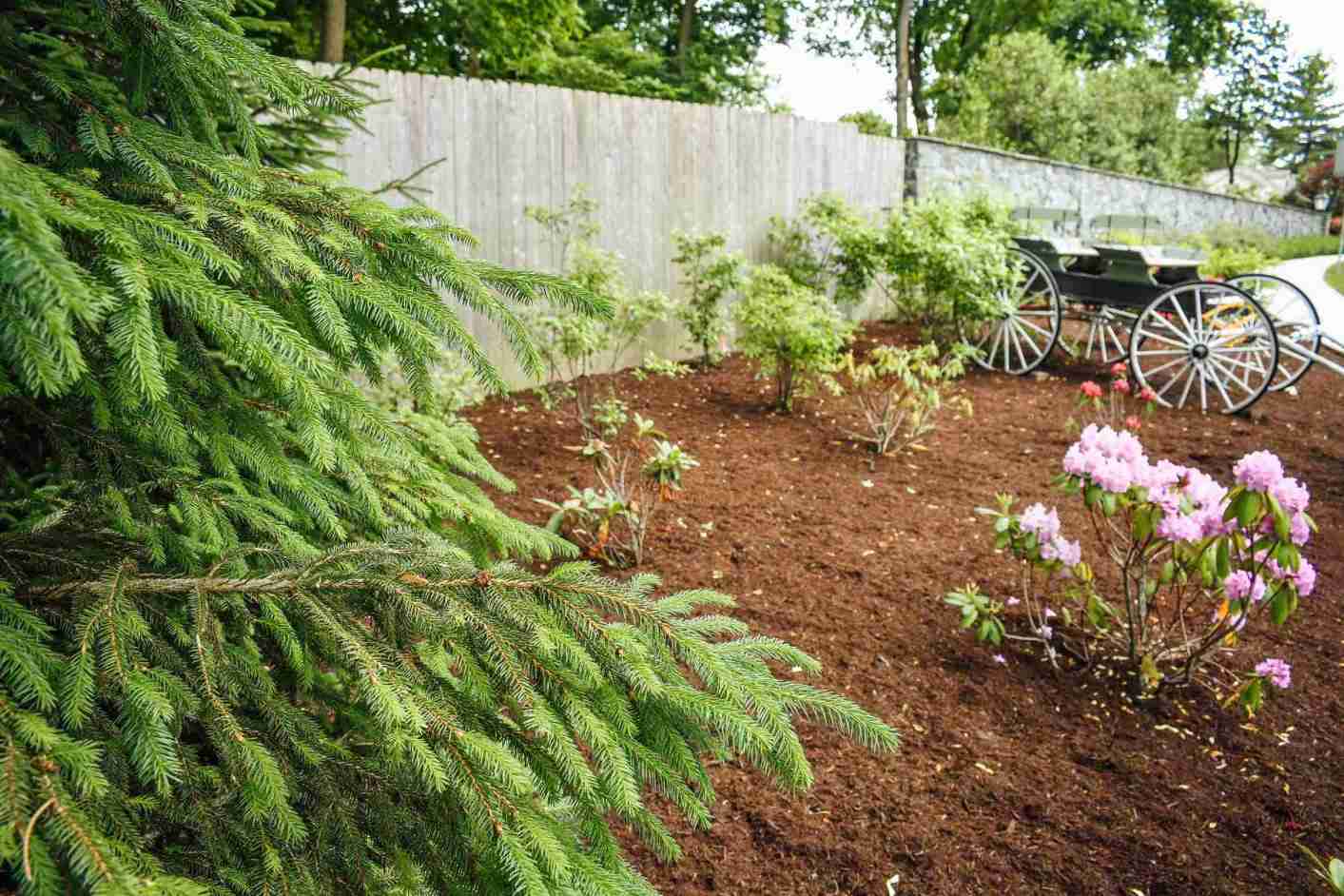
Mulch is one of the simplest and most effective tools for protecting your garden from heat. A 2- to 3-inch layer of organic mulch — such as shredded hardwood, pine bark, or leaf compost — insulates the soil, keeping root zones cooler and retaining moisture that would otherwise evaporate quickly in direct sunlight.
Mulch also suppresses weeds that compete with your plants for water and nutrients, and as it breaks down over time, it adds organic matter back into the soil, improving its structure and water-holding capacity. For Chester County gardens, refreshing your mulch layer in late spring or early summer ensures maximum protection heading into the hottest months.
Smart Watering Strategies
How and when you water matters far more than how much. Deep, infrequent watering encourages roots to grow downward, making plants more resilient during dry spells. Shallow, frequent watering does the opposite — it keeps roots near the surface where they're most vulnerable to heat.
Water early in the morning before temperatures climb. This gives plants time to absorb moisture before the midday sun accelerates evaporation. Drip irrigation and soaker hoses deliver water directly to the root zone with minimal waste, and they're far more efficient than overhead sprinklers, which lose a significant amount of water to evaporation and wind. If you notice wilting in the late afternoon, resist the urge to water immediately — many plants naturally wilt slightly in extreme heat and recover overnight.
Using Shade and Structure to Your Advantage
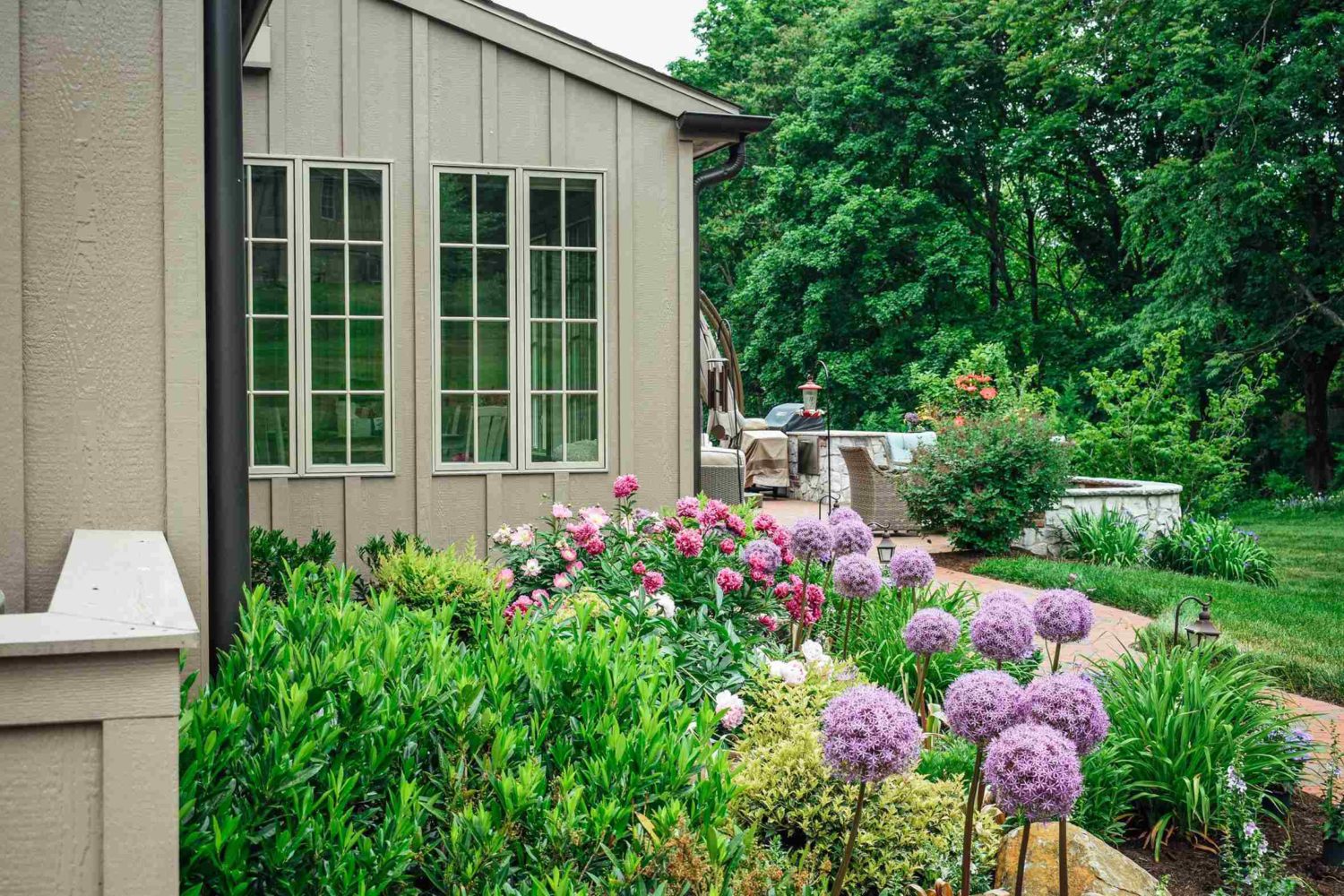
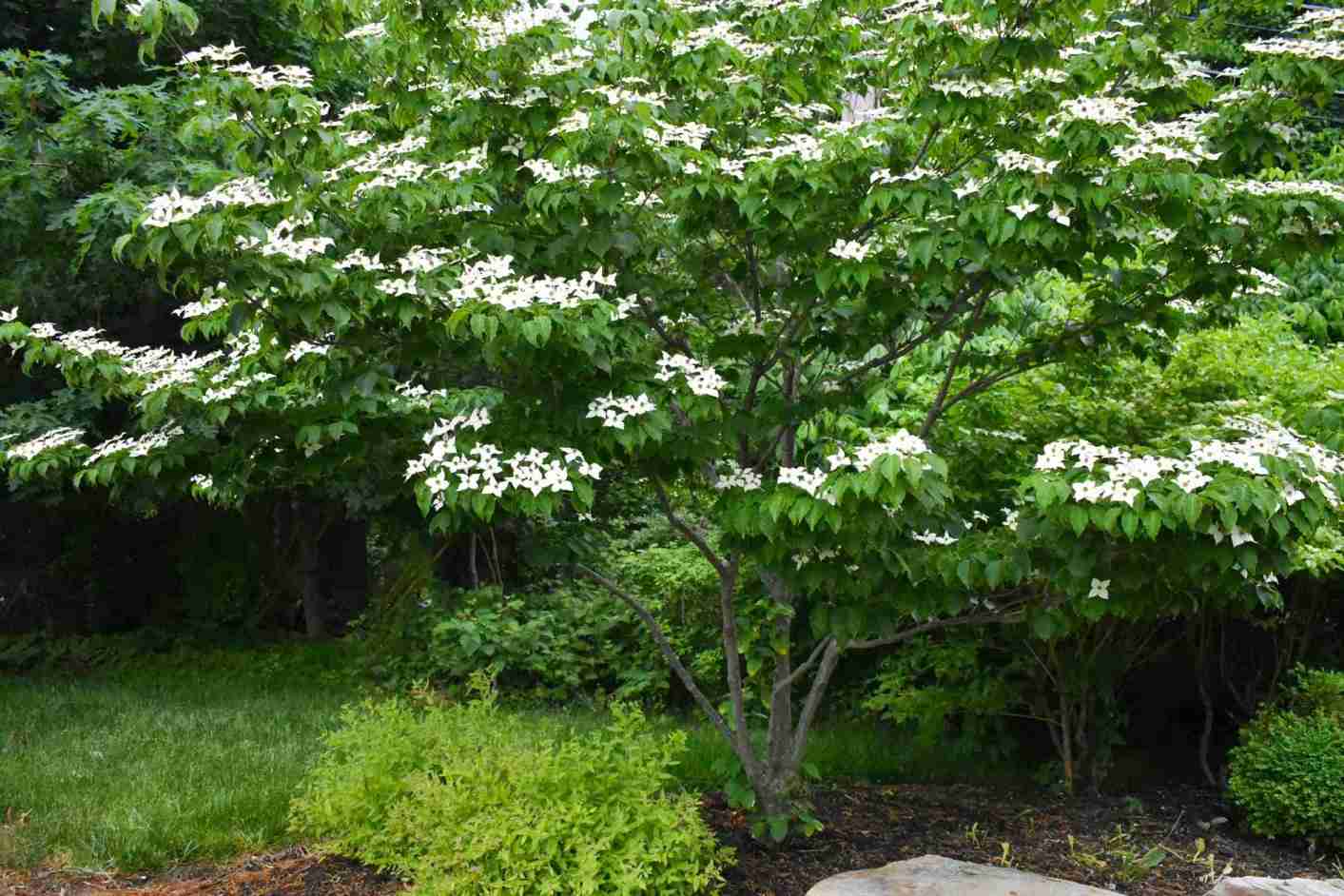
Strategic shade planning is a long-term investment that pays off during every Chester County summer. Deciduous trees planted on the south and west sides of garden beds provide natural cooling during the hottest part of the day while allowing sunlight through in winter when the leaves drop.
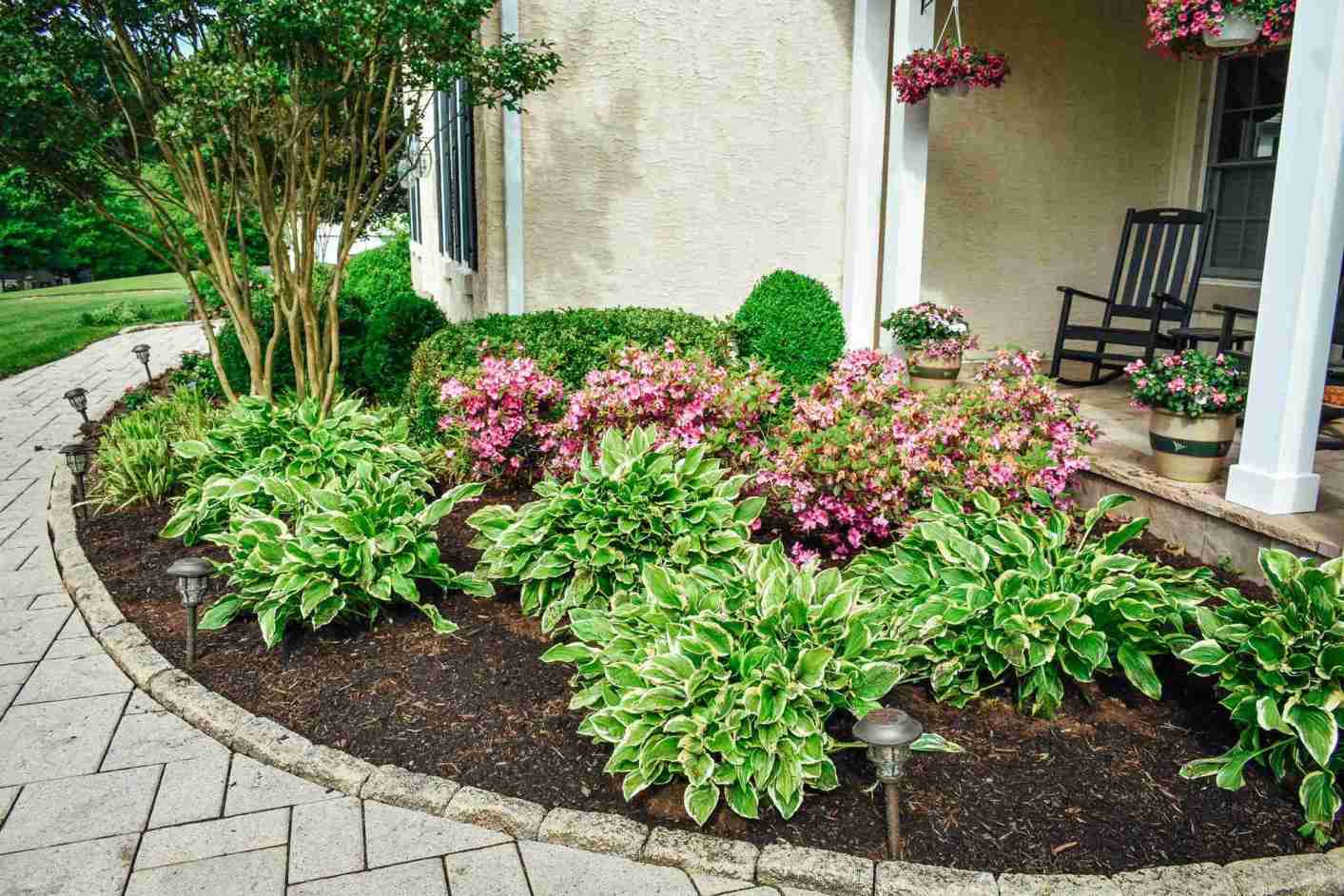
For more immediate relief, pergolas, arbors, and shade sails create protected microclimates for sensitive plantings and outdoor seating areas. Underplanting shade trees with heat-sensitive species like hostas, ferns, and astilbe takes advantage of the cooler conditions beneath the canopy. Even tall ornamental grasses and established shrubs can provide enough dappled shade to protect lower-growing neighbors.
Choosing Heat-Tolerant Plants
Prevention starts at the design stage. Selecting plants that are naturally adapted to Chester County's USDA Zone 7a climate reduces the amount of intervention needed during heat waves. Native perennials like coneflowers, black-eyed Susans, and butterfly weed thrive in full sun and heat. Drought-tolerant groundcovers like sedum and creeping thyme handle dry conditions with minimal supplemental watering.
For shrubs, consider varieties like inkberry holly, sweetspire, and summersweet — all native to the mid-Atlantic region and well-suited to hot summers. Pairing heat-tolerant species with proper soil preparation and mulching creates a landscape that not only survives summer but continues to look vibrant and healthy throughout the season.
Additional Summer Care Tips
Beyond mulching, watering, and plant selection, there are a few additional practices that help Chester County gardens weather the heat. Avoid heavy pruning during heat waves — cutting back foliage exposes more of the plant to direct sun and reduces its ability to shade its own root zone. Hold off on fertilizing during extreme heat, as it can push new growth that the plant doesn't have the energy or water to support.
Monitor your garden for signs of heat stress: leaf curling, browning edges, premature leaf drop, and slowed growth. Addressing these early — with targeted watering, temporary shade, or adjusting irrigation schedules — can prevent permanent damage and help your plants recover more quickly as temperatures moderate in late summer and fall.
Partner with Pickel Landscape Group
At Pickel Landscape Group, we design and maintain landscapes that are built to handle Chester County's full range of seasonal conditions — including the demanding heat of mid-summer. From selecting the right plants and soil amendments to installing efficient irrigation and refreshing mulch beds, our team helps homeowners protect their investment and enjoy a beautiful outdoor space year-round.
Whether you need a seasonal maintenance visit, a garden redesign with heat-resilient species, or advice on preparing your landscape for summer, we're here to help with the knowledge, experience, and craftsmanship your property deserves.
Frequently Asked Questions
Keep Your Chester County Garden Thriving This Summer
Ready to give your garden the protection it needs? Pickel Landscape Group provides expert seasonal maintenance, heat-resilient landscape design, and professional planting services throughout Chester County.
Related Articles
Summer Landscaping Ideas for Landenberg Homes
Expert tips to boost curb appeal, reduce maintenance, and enhance outdoor living.
Read moreHardscaping or Landscaping — Which is Right for Your Property?
Learn the difference and discover which approach is best for your Landenberg home.
Read moreQuick and Easy Tips for Lawn Care
Simple, expert-backed lawn care tips — mowing, watering, fertilizing, and more.
Read more