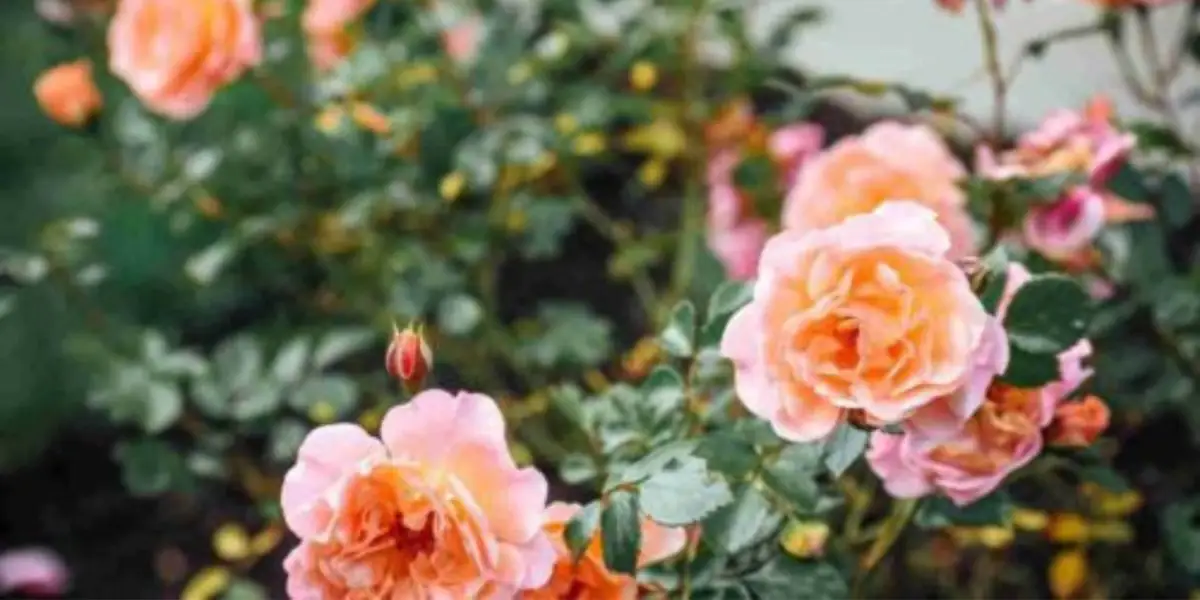
Summer pruning Chester County PA homeowners often overlook — but getting it right can mean the difference between a thriving landscape and one that struggles through the season. Whether you have flowering shrubs, ornamental trees, or overgrown hedges, knowing when and how to prune in the warmer months is one of the most valuable things you can do for your property.
This guide breaks down what to prune, when to do it, the right techniques, and the mistakes that catch most homeowners off guard. If your landscape in Landenberg, West Chester, or Kennett Square is looking a little ragged this summer, here's where to start.
Why Summer Pruning Is Different From Spring or Dormant Pruning
Most homeowners associate pruning with late winter or early spring — and for good reason. Dormant pruning is ideal for many deciduous trees and shrubs because you can see the structure clearly and the plant is not under stress. Summer pruning works differently, and the timing matters more than people realise.
In summer, plants are actively growing and carrying full canopies. Pruning at this stage affects how the plant spends its energy for the rest of the season. Light, strategic cuts can improve airflow, redirect growth, and remove problem branches before they cause bigger issues. Heavy cuts, on the other hand, can stress a plant and leave it vulnerable — especially in the heat of a southeastern PA July.
According to Penn State Extension, the right time to prune a flowering shrub depends heavily on when it blooms — and summer-blooming shrubs can and should be shaped after their flowers fade. Spring-blooming varieties need to be handled differently.
What to Prune in Summer — Plant by Plant
Flowering Shrubs That Bloom in Summer
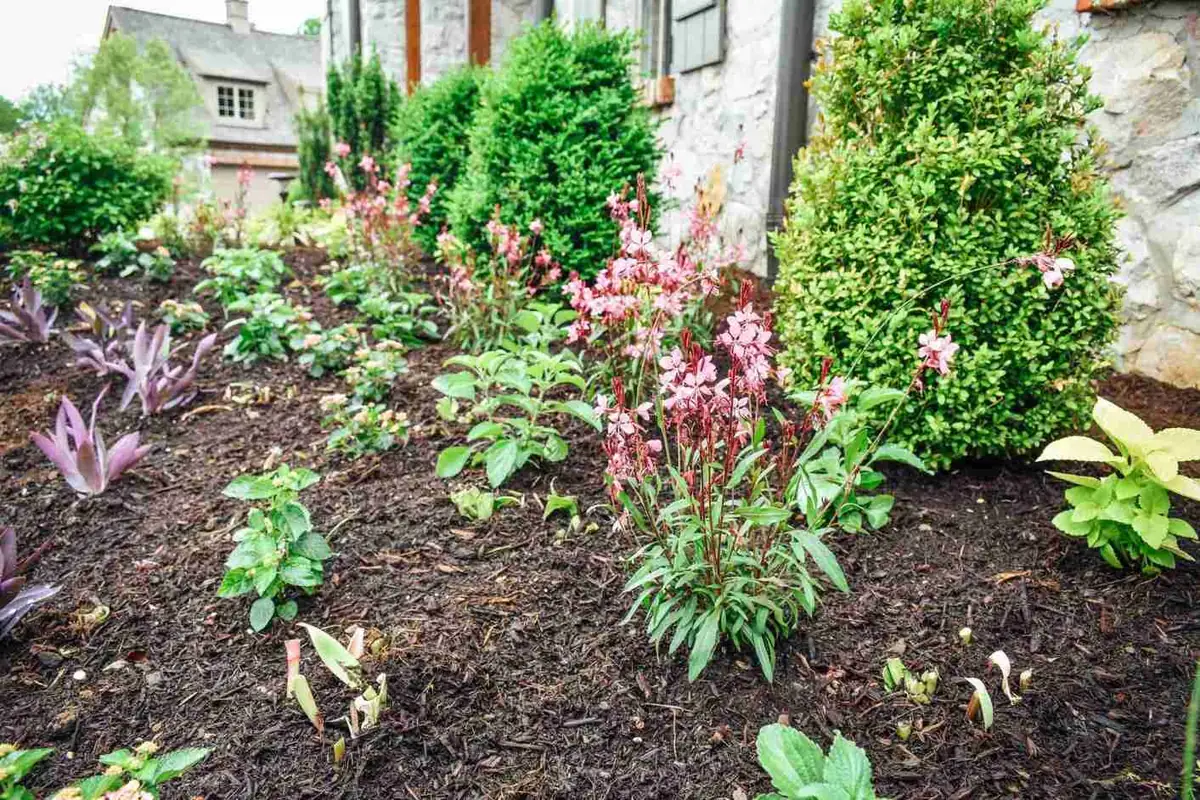
Shrubs like butterfly bush (Buddleia), rose of Sharon, crape myrtle, and smooth hydrangea (Annabelle-type) all bloom on new wood — meaning they set their flowers on growth from the current season. These are your green light for summer pruning.
For these varieties, light shaping after the first flush of blooms fades encourages a second round of flowering and keeps the shrub looking tidy. Deadheading spent blooms on repeat-flowering roses also falls into this category — a simple task that extends the show well into fall.
Spring-Blooming Shrubs — Handle With Care
If you have lilacs, forsythia, rhododendrons, azaleas, or Bigleaf hydrangeas (the ones with big round pink or blue flowers), hold off. These plants bloom on old wood — last year's growth. If you prune them now, you'll remove the buds forming for next spring's display.
The narrow window for spring bloomers is immediately after they finish flowering — typically late May into June. By July, they're already setting buds for 2027. If you missed that window, leave them alone until after bloom next year.
Ornamental Trees
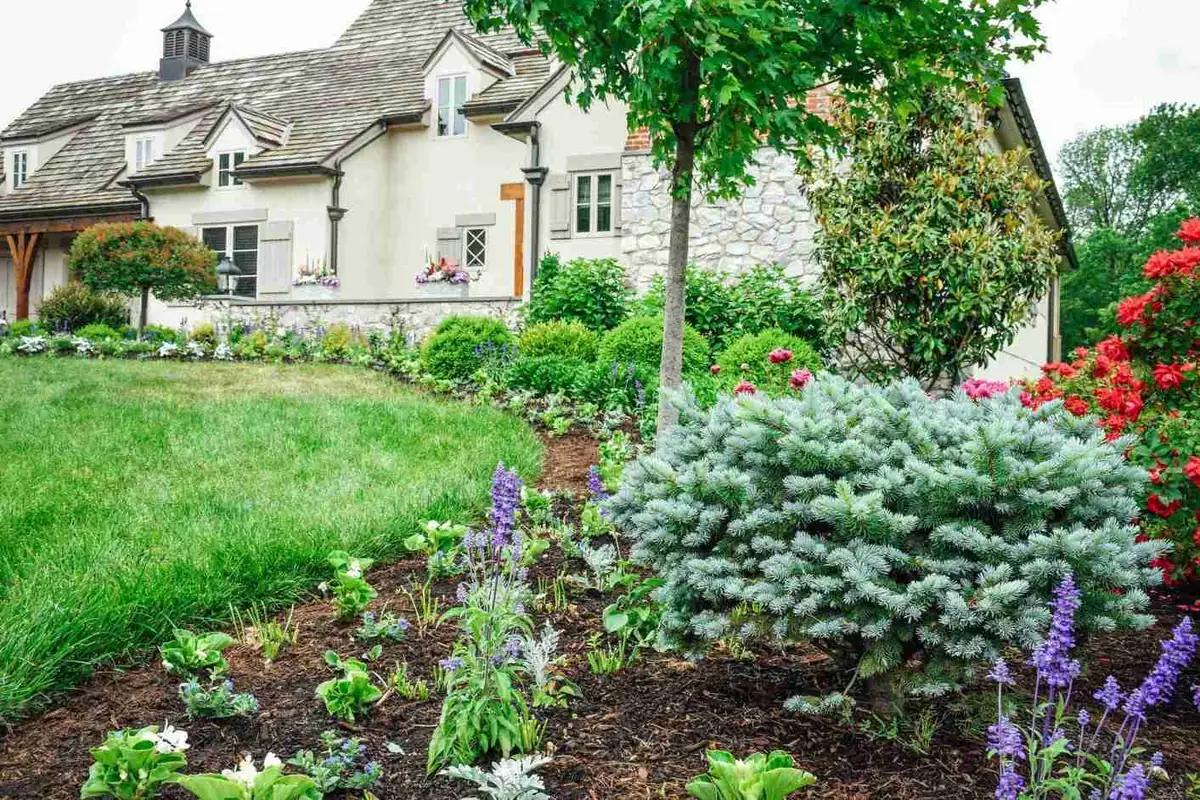
Light corrective work on ornamental trees — removing dead, damaged, or crossing branches — can be done in summer without issue. What you want to avoid is significant structural pruning during the hottest stretch of July and August, which can leave fresh wounds vulnerable to disease and pest pressure.
Oaks deserve special mention: in Pennsylvania, avoid pruning oaks between April and July whenever possible to reduce the risk of oak wilt, a serious fungal disease that spreads through pruning wounds during active beetle season.
The International Society of Arboriculture recommends removing only dead, broken, or hazardous branches on most trees during summer, leaving structural work for the dormant season.
Hedges and Formal Shrubs
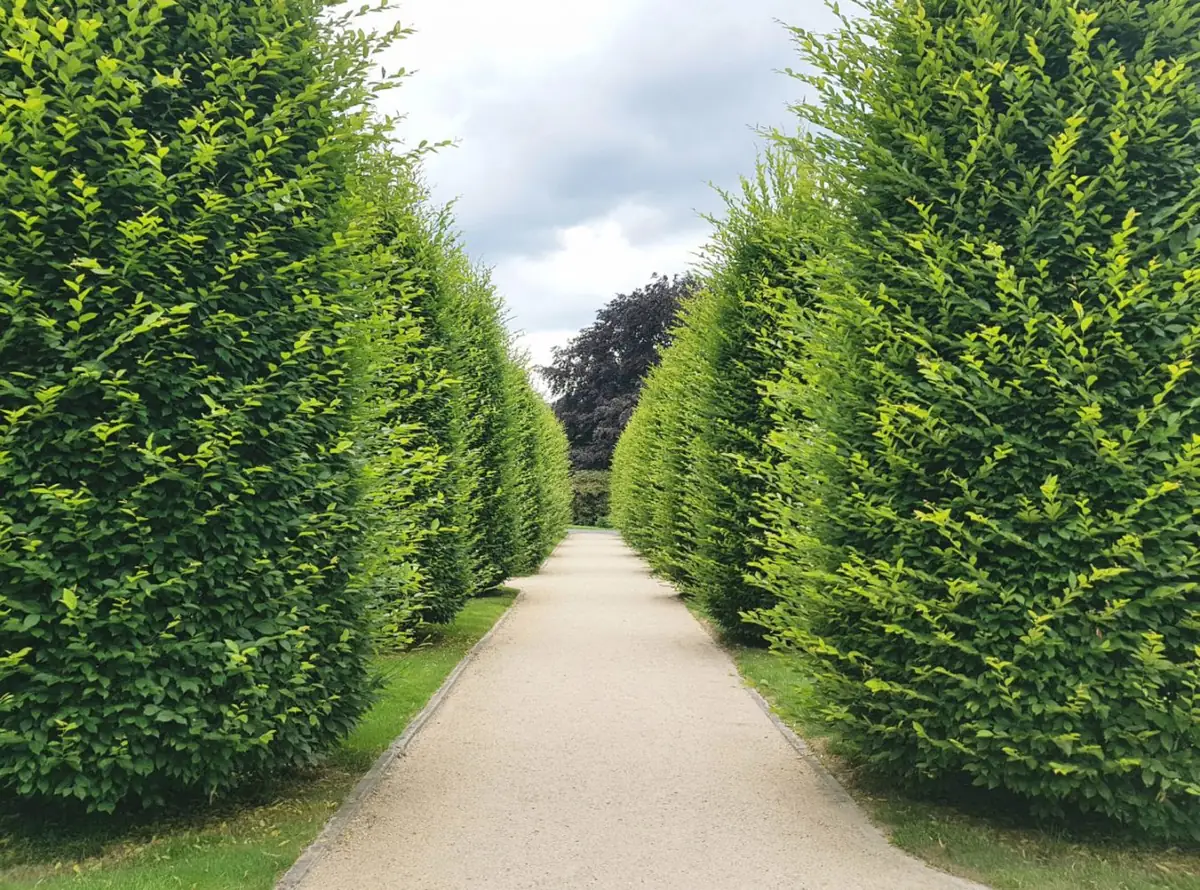
Boxwood, holly, arborvitae, and other formal hedges can be shaped lightly in early to mid-summer to maintain their structure. Avoid heavy cuts once the temperature climbs — fresh growth on a sheared hedge in 90-degree heat is prone to sunscald and tip die-off.
For boxwood specifically, keep an eye out for boxwood blight and boxwood leafminer during any pruning session. Clean your tools between plants to avoid spreading disease.
The Right Tools for Summer Pruning
Using the right tools — and keeping them sharp and clean — makes every cut cleaner and reduces stress on the plant. Here's what most residential pruning requires:
- Hand pruners: For stems up to about ¾ inch. Bypass pruners (scissor-style) make cleaner cuts than anvil pruners and are better for living wood.
- Loppers: For branches between ¾ inch and 2 inches. The longer handles give you leverage and reach without straining.
- Pruning saw: For anything over 2 inches. A folding pruning saw is easy to carry and handles most ornamental tree work well.
- Hedge shears or electric trimmer: For shaping formal hedges and boxwood.
Always wipe blades with a disinfectant solution (diluted bleach or rubbing alcohol) between plants to prevent spreading fungal spores or bacterial disease. This step is especially important if you've noticed any signs of disease on your shrubs.
Correct Summer Pruning Technique — What to Cut and Where
The most common mistake homeowners make is cutting in the wrong place. Here's what proper pruning looks like:
- Cut at the node: Always prune just above a bud, leaf node, or lateral branch — not in the middle of a stem. Leaving a stub invites dieback and disease.
- Angle your cut: On shrubs and woody stems, a slight angled cut (about 45 degrees) helps water shed away from the bud rather than pooling on the cut surface.
- Don't flush-cut: When removing a branch from a tree, do not cut flush with the trunk. Leave the branch collar intact — the slight swelling at the base of the branch — as this is where the tree forms its protective callus.
- Remove the three Ds: Dead, damaged, and diseased wood can always be removed regardless of the time of year. Start here on any plant and you'll improve its health immediately.
The Rutgers Cooperative Extension pruning guide for flowering shrubs is a useful reference for identifying which cuts to prioritise by plant type.
Common Summer Pruning Mistakes to Avoid
Even well-intentioned pruning can backfire. Watch out for these common missteps in Chester County landscapes:
- Pruning spring bloomers mid-summer: You'll remove next year's flower buds. Mark your calendar and wait until right after bloom.
- Over-pruning in the heat: Never remove more than one-third of a plant's canopy at once — and during a heat wave, be even more conservative. Stressed plants are more vulnerable to pests and disease.
- Shearing everything into balls and boxes: Formal shearing feels satisfying, but most landscape shrubs do far better with selective hand-pruning that respects their natural form.
- Skipping tool sanitation: Boxwood blight, fire blight on crabapples, and other diseases spread through contaminated pruning tools. Clean between plants.
- Leaving large stubs: Stubs die back, attract borers, and create entry points for decay. Always prune back to a bud, node, or lateral branch.
When Should I Hire a Professional for Summer Pruning?
Not all pruning is DIY territory. There are situations where professional eyes — and professional equipment — make a real difference:
- Any branch over the roof line or near power lines
- Trees showing signs of disease, canker, or crown dieback
- Large ornamental trees where structural work is needed
- Formal hedges and estate-style plantings where uniformity matters
- Landscapes you want to protect heading into storm season
The team at Pickel Landscape Group has been caring for Chester County properties since 2007. From Landenberg and Avondale to Hockessin and West Chester, we understand what grows here, what the summer climate asks of your plants, and how to keep your landscape looking its best through the season. Take a look at our recent work to see what professional summer maintenance looks like in action.
Ready to Get Your Chester County Landscape Summer-Ready?
If your shrubs are overgrown, your hedges need shaping, or you're not sure which plants can be pruned right now, we can help. Our team works across Chester County and northern Delaware, providing seasonal pruning as part of a full grounds management programme.
Browse our full range of services or request a consultation and we'll assess your property and put together a plan that works for your plants — not against them.
Frequently Asked Questions About Summer Pruning in Chester County
Contact Pickel Landscape Group
Ready to schedule your summer pruning service or ask about our seasonal maintenance programmes? Get in touch with the Chester County team.
Want a professional to take care of this for you? Learn more about our Shrub & Perennial Pruning service.
Related Articles
Why Skipping Summer Pruning Could Cost You — And Your Chester County Landscape
Skipping summer pruning in Chester County PA risks disease spread, storm damage, and long-term plant decline. Here's what's at stake.
Read moreDormant Season, Active Results: Why Winter Pruning Works
Learn why dormant pruning in Southeastern PA is essential for healthy trees and shrubs. Discover when to prune and how it benefits your landscape.
Read moreThe Magic of Dormant Pruning in Chester County
Discover how dormant pruning in Chester County improves plant health and boosts curb appeal — even in the middle of winter.
Read more