Fall cleanup in Chester County PA is about more than a tidy yard. Leaves look harmless on the ground, but a heavy layer can quietly damage your lawn and beds through winter. The good news is that you do not need to remove every leaf. You just need to know what to clear, what to leave and when to finish.
This guide shows how leaves affect turf and plants. You will also learn how to treat each part of your property and when to finish in southeastern Pennsylvania.
Why Can Leaves Hurt Your Lawn Over Winter?
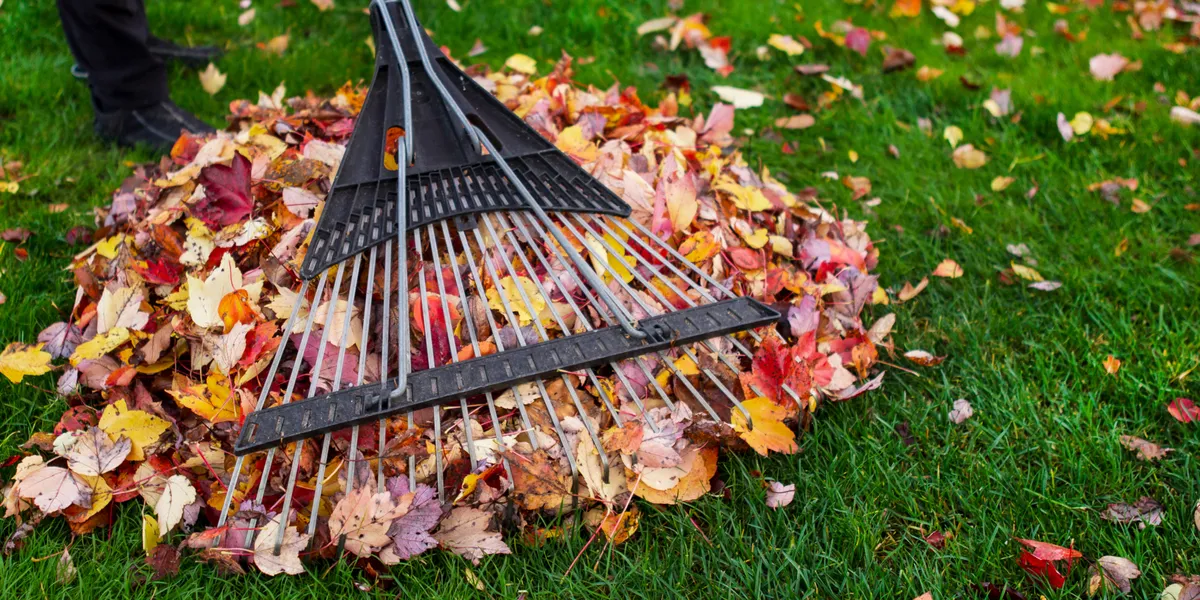
A light scatter of leaves does no harm. A thick, matted layer is a different story. It blocks light and air from reaching the grass and traps moisture against the turf.
Penn State Extension explains that a heavy layer of leaves can smother lawn grass and prevent new growth in spring. Compacted leaves can also promote snow mold, a disease that damages turf over winter.
Wet leaves cause the most trouble. They press together into a dense mat that dries slowly, and Chester County autumns are often damp. Turf specialists at the University of Minnesota also note that heavy leaf cover can lead to more vole and mouse damage by spring.
How Many Leaves Are Too Many on the Lawn?
Use a simple check. Look at your lawn and see whether you can still spot the grass through the leaves. If most of the grass is visible, the layer is light enough to handle with your mower. If the grass is hidden, the layer is too thick.
A mulching mower chops light leaf cover into small pieces that fall between the grass blades. The pieces break down and return nutrients to the soil. The University of Minnesota turf team prefers this method when the leaf layer is manageable.
Thick layers are different. Mowing cannot keep up, so raking or blowing the leaves is the better choice. Nebraska Extension agrees that leaves should not sit on the lawn all winter. Its advice is to mow them into the turf or remove them.
What Should You Clear and What Should You Leave?
The answer depends on where the leaves land. Lawns, beds and drainage areas each need a different approach.
On the Lawn
Clear any leaves that hide the grass. Chop light cover with the mower and rake up the rest. Aim for a lawn where you can see green through whatever remains.
In Garden Beds
Beds follow different rules than turf. Penn State Extension says leaves in the garden can stay where they fall because they help insulate plant roots. Shredded leaves are the better option, since small pieces settle evenly instead of forming a mat.
Some beds still need a cleanout. Remove debris that piles against the base of plants, around evergreens and over low growing perennials. Wet debris holds moisture against stems and can invite disease. Bag diseased stems and leaves instead of composting them.
You can also leave some plants standing. Ornamental grasses and perennials with seed heads give birds food and shelter through winter.
Along Edges and Drainage Paths
Keep bed edges, downspout outlets and drainage paths clear. Water needs somewhere to go when rain and snowmelt arrive. Nebraska Extension also points out that leaves washed into storm drains can add nutrients to waterways. Keep them off driveways and walkways and out of the street.
When Should the Final Fall Cleanup Happen?
Timing matters as much as technique. A cleanup done too early means doing it again, because leaves keep falling. Some trees, such as oaks, tend to drop their leaves later than others.
The best plan is a few lighter passes while the leaves fall, followed by one thorough final cleanup after leaf drop ends. Finish before snow covers the lawn. Nebraska Extension notes that clearing leaves lets turf dry out on warm days with no snow cover. That lowers the risk of snow mold.
What Should You Do With the Leaves You Remove?
Compost them. The Pennsylvania Department of Environmental Protection lists dead leaves among the materials you can compost. Finished compost also works as mulch around trees and shrubs. Shredding leaves first helps them break down.
Why Choose a Professional Team for Fall Cleanup?
Mature trees can drop a surprising volume of leaves. For larger properties and HOA common areas, the job quickly outgrows a weekend. A professional team brings the right equipment and a clear plan.
Pickel Landscape Group schedules fall cleanups across Chester County PA and northern Delaware. We clear leaves from turf and beds, keep bed edges and drainage paths open, and prepare your landscape for winter. HOA boards and property managers also get a cleanup that keeps common areas presentable heading into the new year.
Explore our services or view recent landscape projects in our portfolio. When you are ready to plan your cleanup, request a consultation and our team will help you choose the right approach for your property.
Frequently Asked Questions About Fall Cleanup in Chester County PA
Do I need to rake all my leaves?
No. Light leaf cover can be chopped up with a mulching mower and left on the lawn. Thick layers that hide the grass need to be raked or blown off.
Are leaves good for garden beds?
Yes, in moderation. Shredded leaves protect roots and enrich the soil. Remove thick, wet debris that sits against plant bases, and bag any diseased material.
When should I do the final fall cleanup?
Wait until most trees have dropped their leaves, then clear the property before snow covers the lawn. This avoids repeat work and lowers the risk of snow mold.
Can leaves cause snow mold?
Yes. Compacted, wet leaves can promote snow mold, which damages turf over winter. Keeping the lawn clear lets the grass dry out and breathe.
What is the best way to dispose of leaves?
Compost them or use shredded leaves as mulch in beds. Composting returns nutrients to your landscape and keeps leaves out of storm drains.
Contact Pickel Landscape Group
Ready to schedule your fall cleanup? Our team serves Chester County and northern Delaware, including Landenberg, West Chester, Kennett Square, Avondale and Hockessin.
Related Articles
What's Actually in a Snow and Ice Contract in Chester County PA
What a snow and ice contract should spell out before you sign - pricing structure, trigger depth, de-icing and priorities.
Read moreQuick and Easy Tips for Lawn Care
Simple, expert-backed lawn care tips for homeowners in Chester County. Learn mowing, watering, fertilizing, and seasonal strategies.
Read moreDeer Damage in Chester County Winters: What Gets Browsed and What Doesn't
Deer do their worst damage in winter. What they browse first, what buck rub does to young trees, and how to protect plantings.
Read more