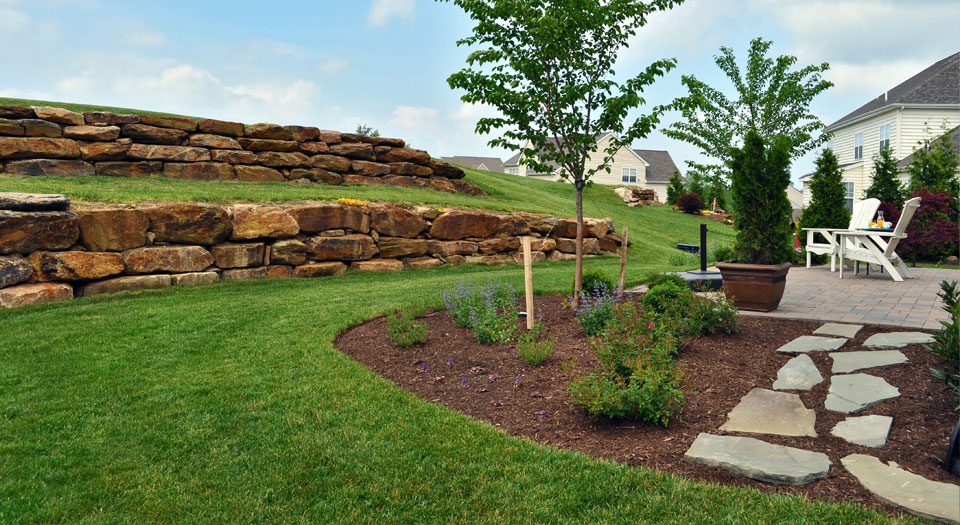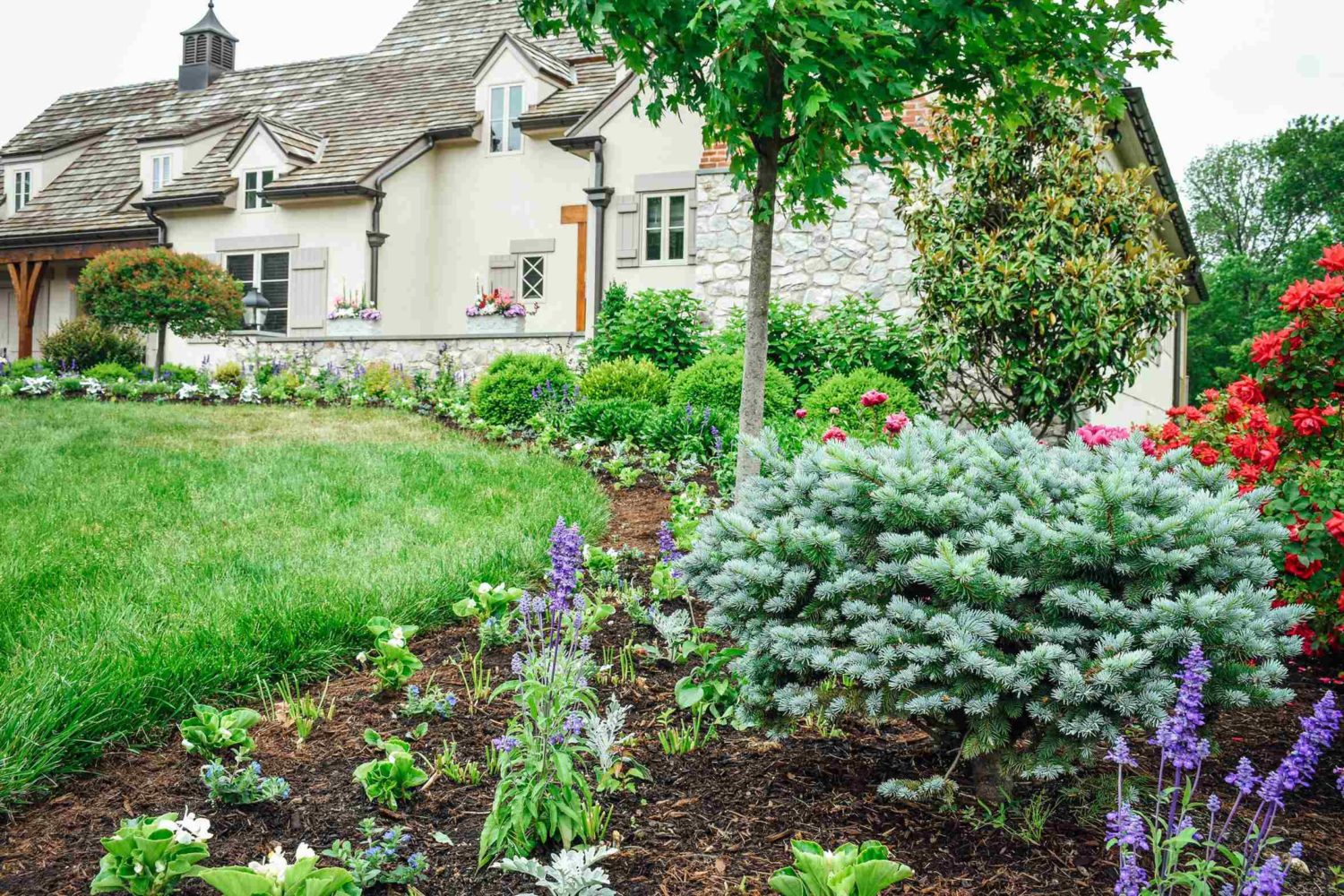
You can buy the most beautiful plants in the nursery, but if your soil can't support them, they'll struggle. Soil is the foundation of every successful landscape, and in Chester County, we deal with everything from heavy clay to rocky slopes to compacted fill from construction.
The good news? Almost any soil can be improved with the right amendments. Here's what you need to know.
Start with a Soil Test
Before adding anything to your soil, test it. The Penn State Extension Soil Testing Lab offers affordable tests that reveal your soil's pH, phosphorus, potassium, magnesium, and organic matter levels. This data eliminates guesswork and prevents over-application of amendments.
Most landscape plants in our region prefer a slightly acidic to neutral pH (6.0–7.0). If your soil is too acidic, lime can raise the pH; if too alkaline, sulfur or organic matter can lower it.
Understanding Your Soil Type
Clay soil: Common in Chester County. Holds nutrients well but drains poorly and compacts easily. Amend with compost to improve structure and drainage.
Sandy soil: Drains quickly but doesn't retain nutrients or moisture. Compost and organic matter help sandy soil hold water and nutrients longer.
Loam: The ideal garden soil — a balanced mix of clay, sand, and silt with good drainage and nutrient retention. If you have it, protect it by adding organic matter regularly.
Rocky/shale: Found on slopes throughout our region. Raised beds or imported topsoil may be needed for garden areas.
The Power of Compost
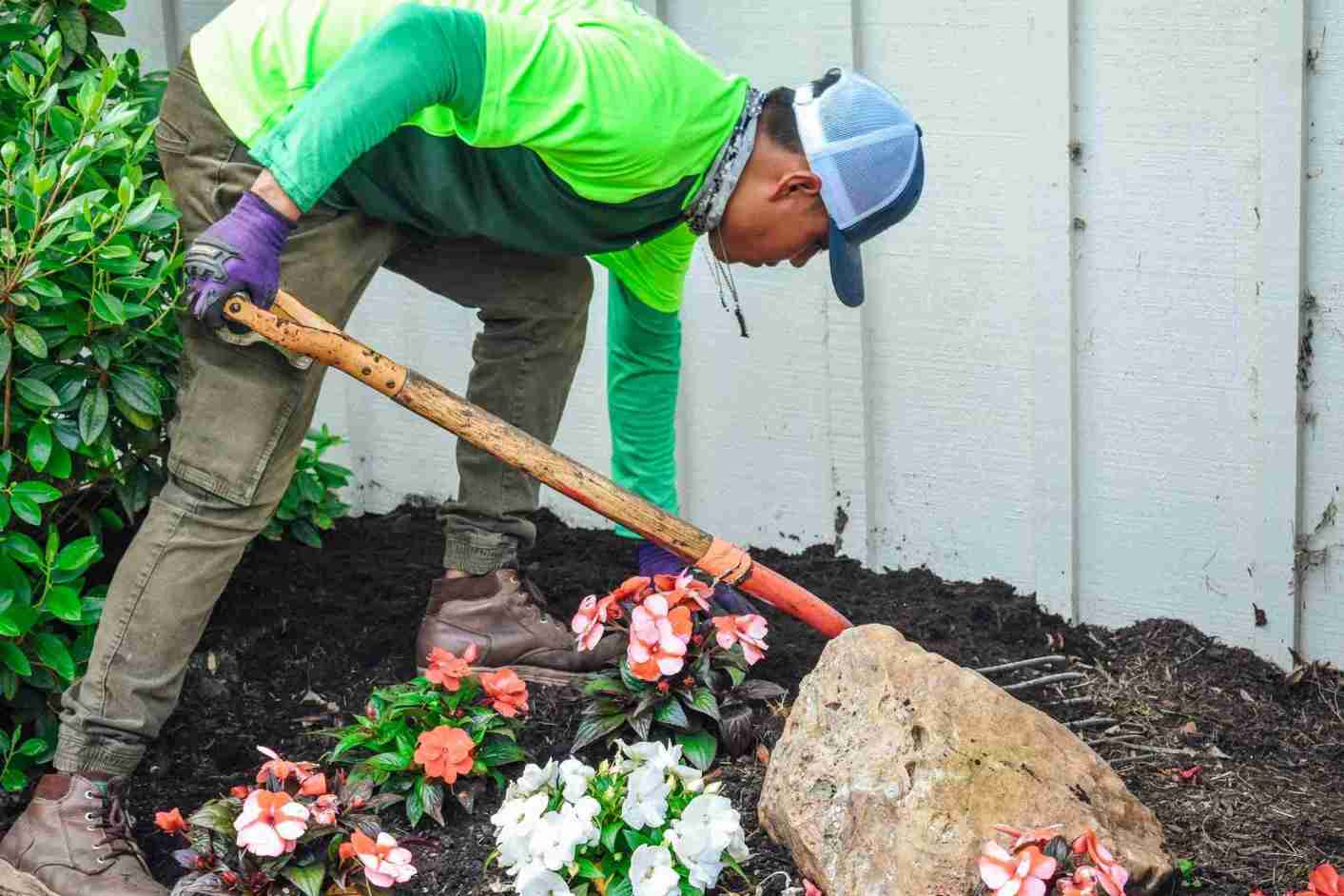
Compost is the single most versatile soil amendment. It improves drainage in clay, retains moisture in sand, feeds beneficial microorganisms, and slowly releases nutrients. The USDA considers compost essential for sustainable soil management.
Apply 2–4 inches of compost to garden beds and work it into the top 6–8 inches of soil. For established gardens, top-dress with 1–2 inches annually and let earthworms do the mixing.
Other Valuable Amendments
- Aged leaf mold: Excellent for woodland gardens and shade plantings — improves moisture retention and mimics natural forest floor conditions
- Gypsum: Helps break up heavy clay without changing soil pH
- Peat moss: Lowers pH and improves water retention — useful for acid-loving plants like azaleas and blueberries
- Perlite or coarse sand: Improves drainage in potting mixes and raised beds
- Bone meal / blood meal: Organic sources of phosphorus and nitrogen, respectively — follow soil test recommendations
Mulch: The Amendment That Keeps Working
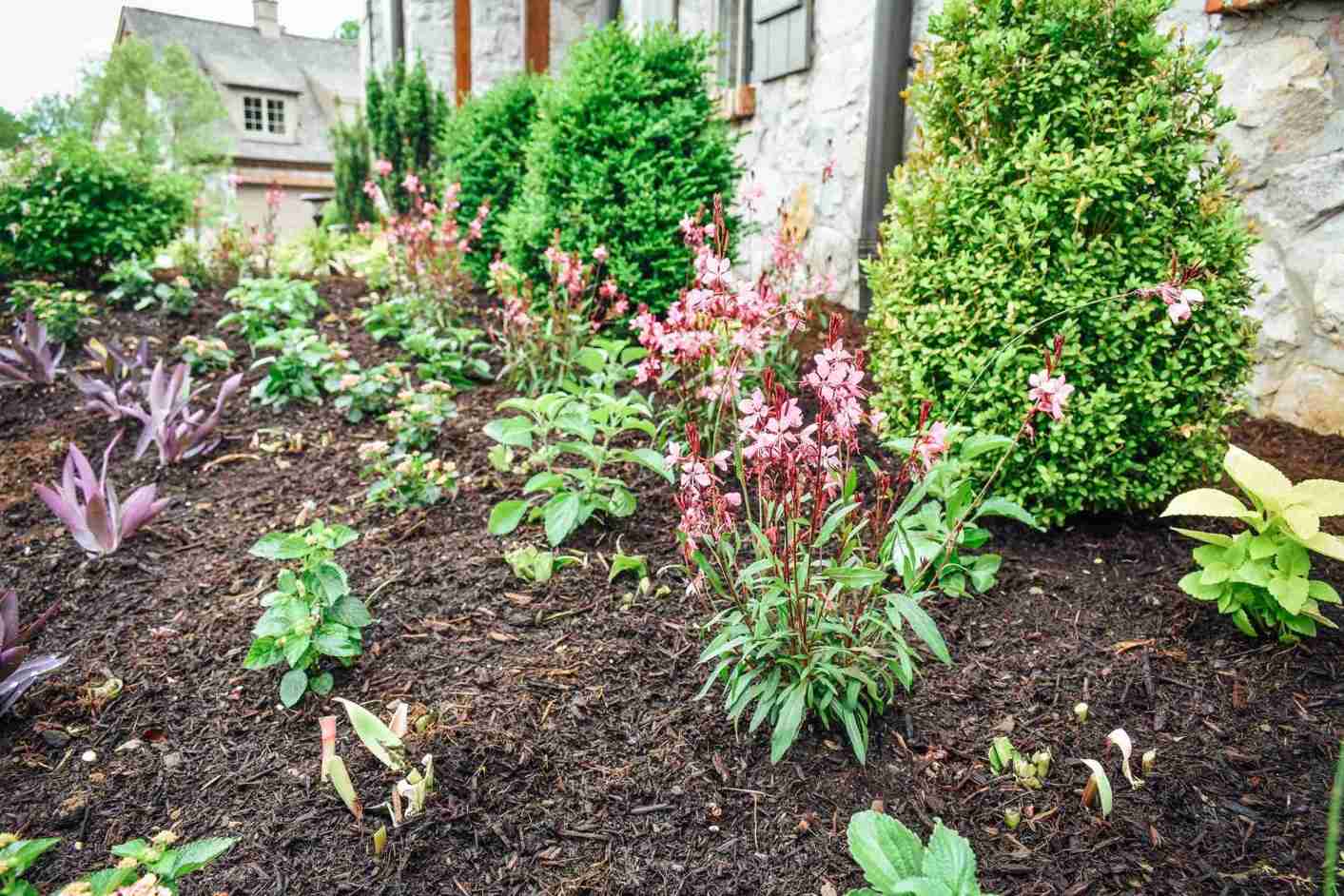
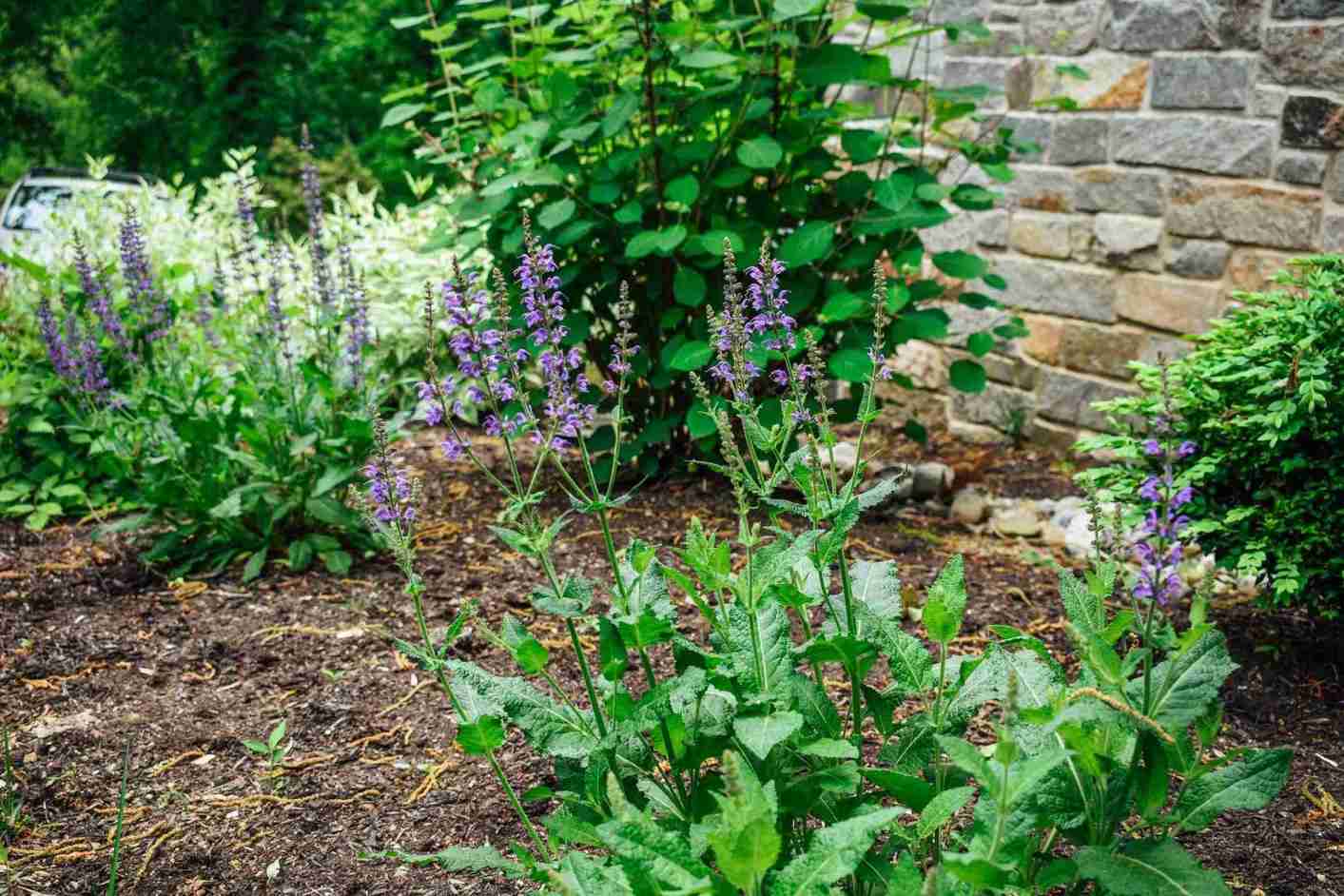
Organic mulch — hardwood chips, shredded bark, or leaf mold — does double duty. On the surface, it suppresses weeds and retains moisture. Over time, it breaks down and enriches the soil below. This is why we recommend consistent mulching as part of every landscape maintenance plan.
Read more in our winter mulching guide about how seasonal mulching protects and feeds your soil.
Frequently Asked Questions
Let Us Build Your Soil Foundation
Pickel Landscape Group prepares soil properly before every planting project. Healthy soil means healthier, more resilient landscapes for years to come.
Related Articles
10 Reasons You Need to Hire a Landscape Designer
Why professional design saves money, adds value, and transforms your property.
Read moreCreating and Working with Microclimates in the Garden
Leverage your property's unique conditions for healthier, more diverse gardens.
Read moreHow & When to Plant Spring Bulbs in Southeastern PA
Timing, soil prep, planting depth, and the layering technique for non-stop spring color.
Read more