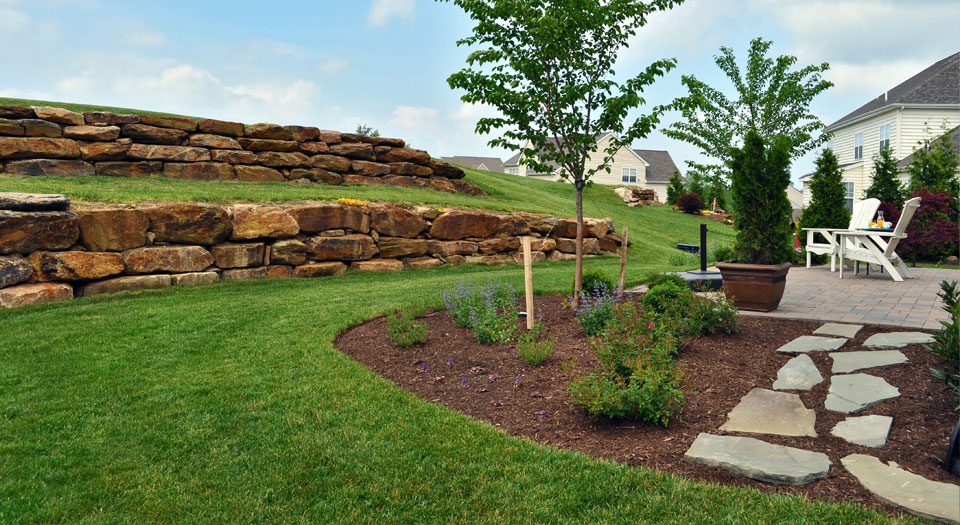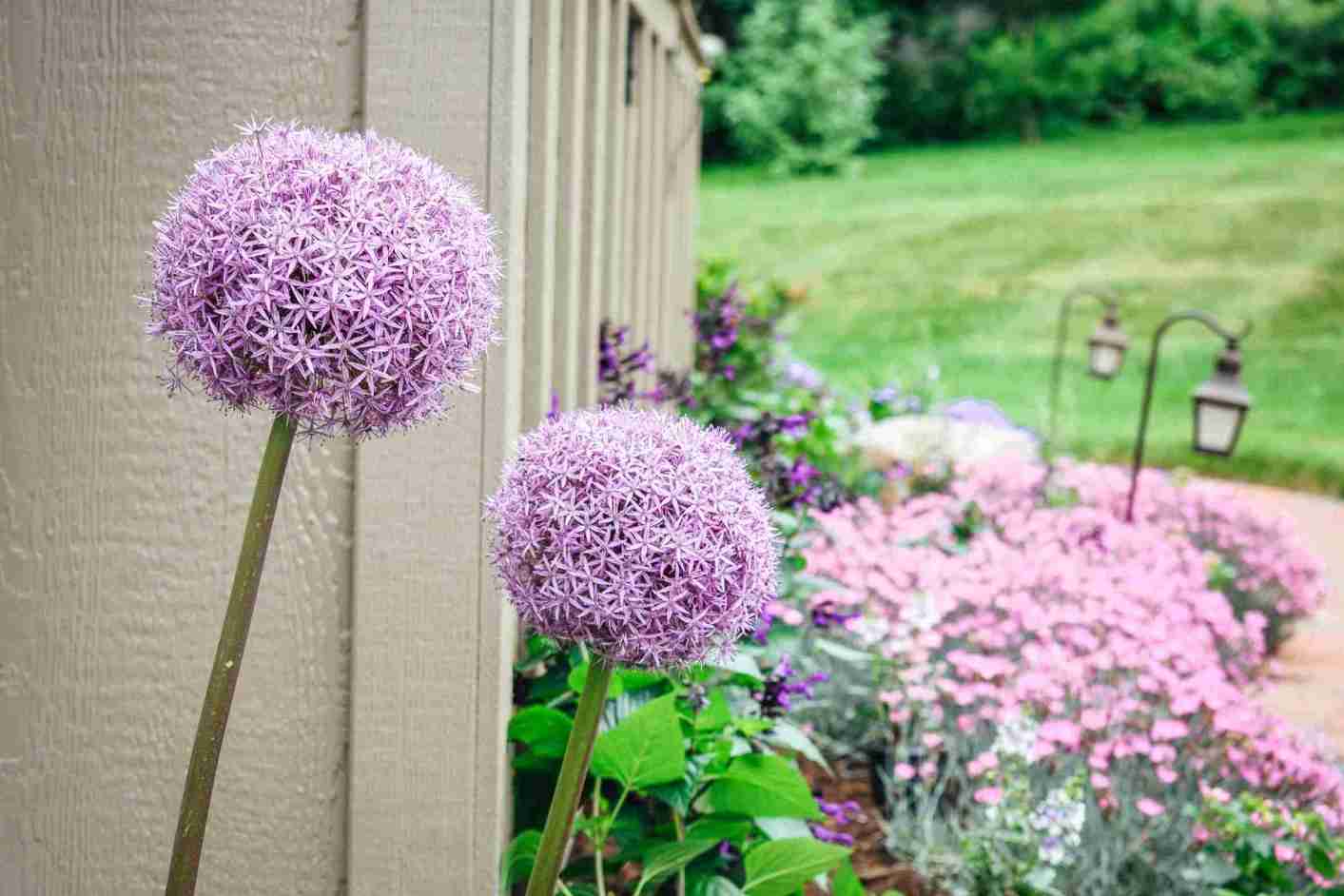
There is a reason spring bulbs are one of the most satisfying investments a homeowner can make in their landscape. Plant them once in the fall, and come March and April, your yard rewards you with weeks of bold color — no effort required at the time you need it most.
For homeowners in southeastern Pennsylvania and northern Delaware, including Chester County communities like Kennett Square, West Chester, Landenberg, and Avondale, bulb planting is both an art and a science with a narrow seasonal window.
This guide walks you through everything you need to know — from fall planting schedules to depth and spacing, soil preparation specific to our region, and the layering technique that keeps your beds blooming from late March through May.
Why Fall Is the Right Time to Plant Spring Bulbs
Spring-blooming bulbs — tulips, daffodils, hyacinths, grape hyacinths, crocuses, and alliums — all share one critical requirement: they need a sustained cold dormancy period to trigger spring flowering. That means they must go into the ground in the fall, not the spring.
According to Penn State Extension, spring-blooming bulbs require roughly 12 to 16 weeks of cold soil temperatures to develop the root system and chemical signals needed to bloom. Chester County falls within USDA Plant Hardiness Zones 6b to 7a — a climate that provides exactly the right conditions for a wide range of spring bulb varieties.
When to Plant: The Southeastern PA Timing Window
For most spring-blooming varieties in our region, the ideal planting window runs from mid-October through late November — before the ground freezes but after soil temperatures have dropped consistently below 50°F.
Plant in Early-to-Mid October
- Daffodils (Narcissus) — the earliest to develop roots, they benefit from going in first
- Alliums — large ornamental onions that need maximum root establishment time
Plant in Mid-to-Late October
- Hyacinths — fragrant, upright bloomers that perform best with a full cold cycle
- Grape Hyacinths (Muscari) — compact and reliable, ideal for bed edging
Plant in Late October Through Mid-November
- Tulips — benefit from a slightly later planting window, as cooler soil temperatures reduce fungal disease and discourage early sprouting
- Crocuses and Snowdrops — cold-tolerant and forgiving, these can go in almost any time the ground is workable
The Pennsylvania Horticultural Society notes that while the air cools in fall, the soil stays relatively warm — providing ideal conditions for root development before freeze-up.
Preparing Your Soil for Chester County Conditions
Southeastern Pennsylvania soils, particularly throughout Chester County, tend toward heavier clay — the single biggest challenge for successful bulb planting. Clay soils retain excess moisture, and standing water around dormant bulbs through winter is a fast path to rot.
Before planting, evaluate drainage in your chosen beds. If water pools or drains slowly after heavy rain, our team incorporates several inches of compost or aged organic matter worked into the top 12 to 18 inches of soil.
Learn more about soil preparation in our complete guide to amending your soil.
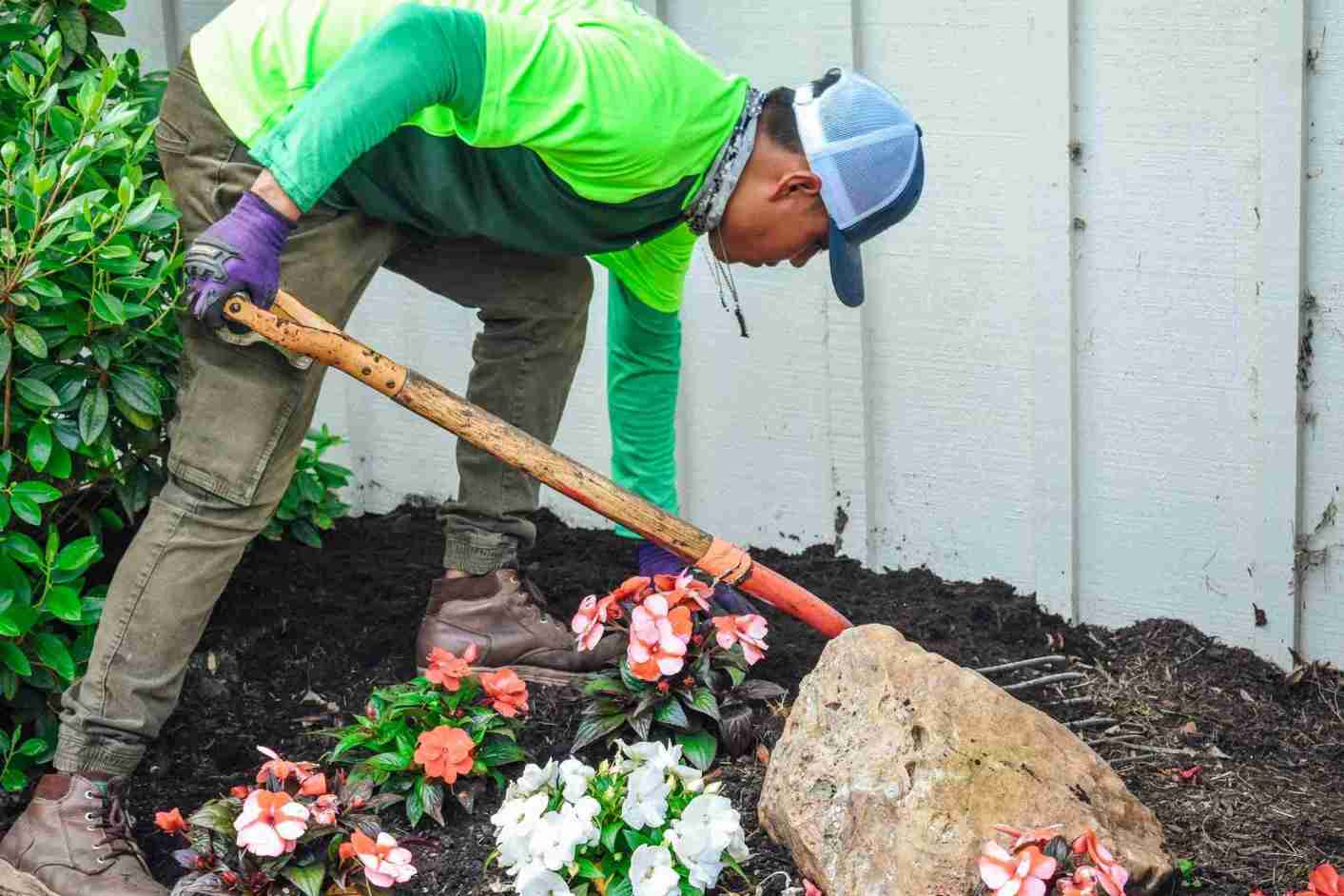
Additional soil prep steps
- Check soil pH: Bulbs prefer a pH of 6 to 7. Penn State Extension recommends a soil test before planting, with lime added if the pH is below the ideal range.
- Add bone meal or bulb fertilizer: Work a phosphorus-rich amendment into the lower portion of the planting hole. Phosphorus encourages strong root and bud development.
- Mulch after planting: A 2- to 3-inch layer of shredded hardwood mulch insulates the soil through freeze-thaw cycles. Read our winter mulching guide for more.
Planting Depth and Spacing
Planting depth is where many DIY bulb installations go wrong. Shallow planting leaves bulbs vulnerable to frost heave, temperature swings, and wildlife. The standard rule is to plant bulbs at a depth of two to three times their height:
- Large bulbs (tulips, daffodils, hyacinths): 6 to 8 inches deep
- Medium bulbs (alliums, camassia): 4 to 6 inches deep
- Small bulbs (grape hyacinths, crocuses, snowdrops): 3 to 4 inches deep
For spacing, tulips and daffodils should be approximately 4 to 6 inches apart. Smaller varieties can be 2 to 3 inches apart. For the most natural results, avoid straight rows — plant in clusters, drifts, or informal groupings that mimic how flowers grow in nature.
Always place bulbs with the pointed end facing up and the flat root plate facing down. If you cannot tell which end is which, plant them on their side and they will self-correct as they grow.
Layering for Continuous Color: The Bulb Lasagna Method
One of the most effective techniques for extending spring color is layered planting — often called the "bulb lasagna" method. Rather than planting a single variety at one depth, you plant different bulb types in staggered layers within the same bed, each variety at its appropriate depth.
A simple three-layer combination:
- Bottom layer (6–8 inches deep): Tulips and/or Daffodils — late season bloomers, largest bulbs, planted deepest
- Middle layer (4–5 inches deep): Hyacinths or mid-size alliums — mid-season color and fragrance
- Top layer (3 inches deep): Grape hyacinths or crocuses — early bloomers that emerge first
Each variety emerges at its natural bloom time because bulbs at different depths experience different temperature signals as the soil warms from the surface down. You dig once in the fall and enjoy a rolling display for months.
Placement Ideas: Where to Plant for Maximum Impact
- Along driveways and front walkways: Long linear beds are perfect for drifts of daffodils or tulips, creating a welcoming sweep visible from the road
- Flanking entryways: Symmetrical plantings of hyacinths or early tulips add formality and fragrance right where guests experience it most
- Under deciduous trees: Many spring bulbs bloom before trees leaf out, making spots that are shaded by summer ideal for snowdrops, crocuses, and squill
- In existing perennial beds: As bulbs finish blooming, emerging perennials fill in and disguise the fading bulb leaves — never cut dying foliage short, as the leaves manufacture energy for next year's blooms
Frequently Asked Questions
Let Us Handle It For You
At Pickel Landscape Group, our horticulture-trained team handles every step of the bulb planting process for homeowners and businesses throughout Chester County and northern Delaware. Explore our project gallery to see results — then request a consultation.
Related Articles
A Closer Look at Bulb Installations: A Spring Case Study
A Chester County front yard transformed with 380 spring bulbs — process and results.
Read moreAmending Your Soil: A Guide to Healthier Gardens
How to test, amend, and improve your garden soil for thriving plants.
Read moreCreating and Working with Microclimates in the Garden
Leverage your property's unique conditions for healthier, more diverse gardens.
Read more