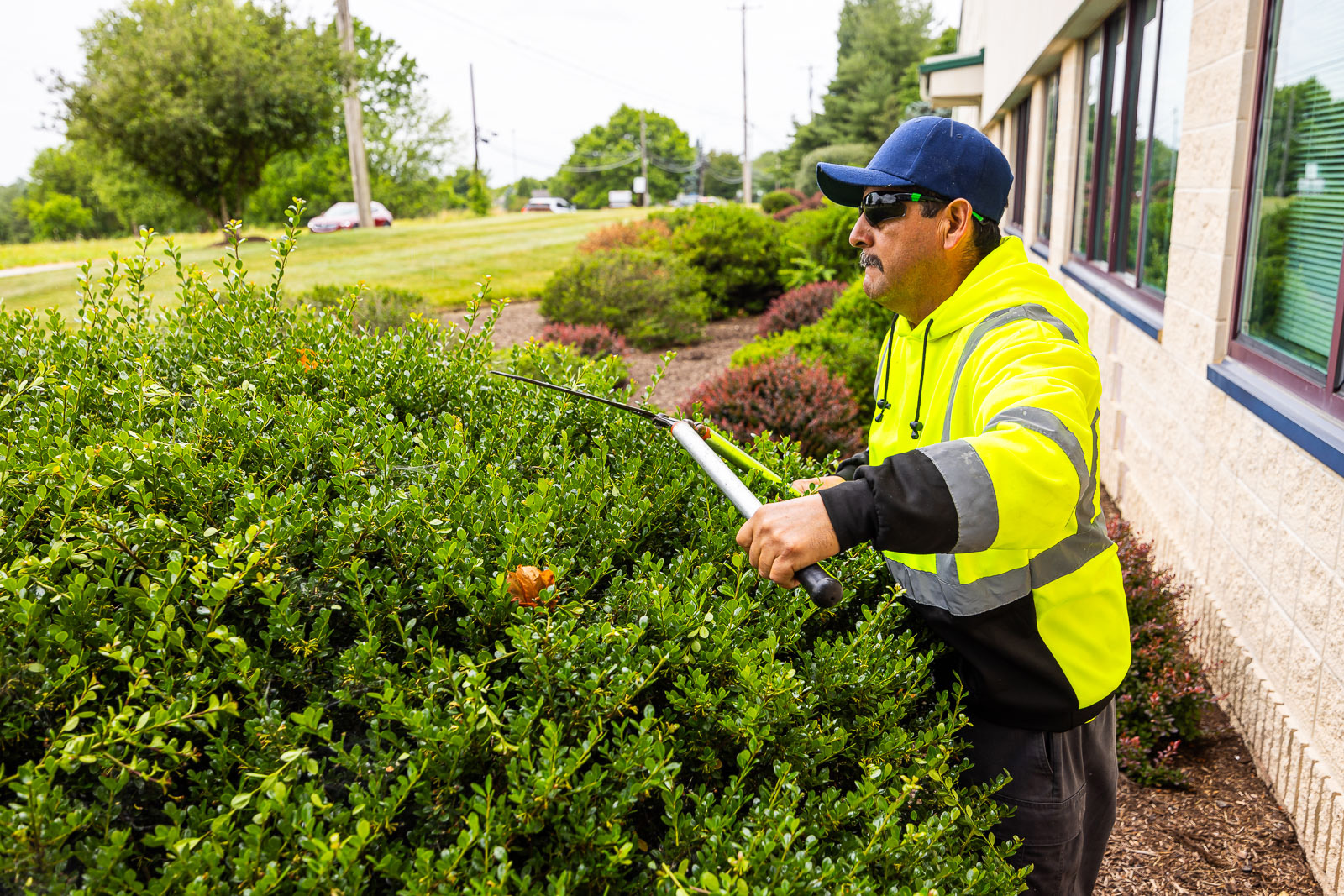
Choosing a commercial mowing partner for your HOA is one of the most visible decisions a board makes all year. The grounds are the first thing residents see when they pull into their community. They are what prospective buyers notice when touring the neighborhood. And they are what your board members answer for every time a resident sends a complaint to the management office.
Getting it right matters — not just for aesthetics, but for property values, resident satisfaction, and the board's credibility with the community it serves.
If your HOA is in Chester County, Landenberg, West Chester, Kennett Square, or the surrounding areas in southeastern Pennsylvania, this guide is for you. Here is exactly what to look for in a commercial mowing partner — and the five benchmarks that separate a quality grounds management company from one that will cost you time, money, and resident trust.
Why the Right Mowing Partner Is About More Than Cutting Grass
Many HOA boards make the mistake of evaluating mowing bids primarily on price. It is understandable — grounds maintenance is one of the largest line items in most HOA budgets, and boards are accountable to their residents for how dues are spent.
But a low bid that delivers inconsistent service, missed visits, or turf damage ends up costing more than a properly priced contract that delivers reliable results. As Buildium notes, regular professional maintenance like mowing and mulching delivers high impact at relatively low cost — but only when the work is done consistently and correctly.
The right mowing partner is not just a vendor. They are an extension of your property management team, responsible for maintaining the standard your community is built on.
5 Signs You Have the Right Commercial Mowing Partner
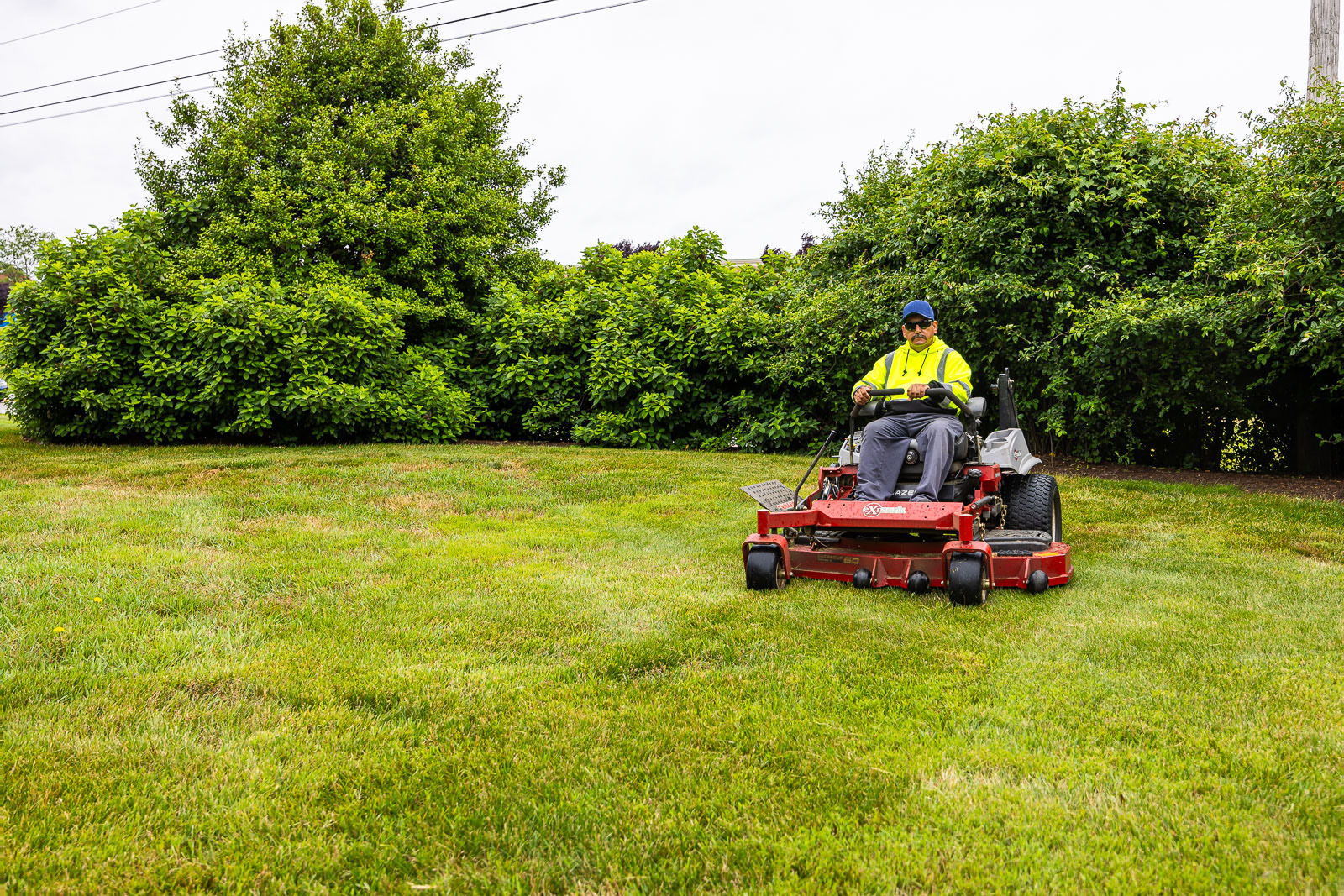
The next five sections walk through the benchmarks every HOA board should use to evaluate a current or prospective grounds contractor — and the exact questions to ask before signing any agreement.
Sign 1 — They Show Up on Schedule, Every Time
Consistency is the foundation of quality commercial grounds management. A professional mowing contractor should operate on a fixed schedule calibrated to your turf's growth cycle — typically weekly during peak spring and summer growth in southeastern Pennsylvania — and should never require the board to follow up to confirm service dates. Missed visits lead to overgrowth, which leads to aggressive cuts, which leads to stressed and browned turf. A single skipped week in May in Chester County can set a lawn back significantly. Your mowing partner should have systems in place to maintain their schedule regardless of crew changes, equipment issues, or weather delays — and should communicate proactively when adjustments are necessary.
What to ask: Can you commit to a fixed weekly schedule? What is your protocol when weather delays a visit?
Sign 2 — Their Work Meets a Defined Quality Standard
Professional commercial mowing is not the same as residential lawn care. Every visit to an HOA property should include consistent cut height appropriate to the grass species — typically 3 to 3.5 inches for cool-season turf in southeastern PA during spring and summer — clean edging along all curb lines, sidewalks, hardscape borders, and bed edges, directional striping or consistent mowing patterns across open turf areas, and full blowdown of all clippings from sidewalks, driveways, and hardscape surfaces before the crew leaves. HOA boards should expect a detailed, written scope of work that specifies exactly what is included on each visit. If your contractor cannot clearly articulate their quality standard, they do not have one.
What to ask: What is your standard cut height for cool-season turf? Can you walk me through what every visit includes?
Sign 3 — They Are Properly Licensed and Insured
This one is non-negotiable. Any commercial mowing contractor working on HOA property must carry adequate general liability insurance and workers' compensation coverage. This protects the HOA from liability in the event of property damage, turf equipment incidents, or crew injuries on site. HOA boards have a direct responsibility to vet contractors for proper licensing, bonding, and insurance coverage before awarding any contract. Failure to do so exposes the association to significant legal and financial risk. Ask for a certificate of insurance before signing any agreement, and confirm that coverage limits are appropriate for commercial grounds work at the scale of your property.
What to ask: Can you provide a current certificate of insurance with your general liability and workers' comp coverage details?
Sign 4 — Communication Is Prompt and Professional
HOA boards are accountable to their residents. When a resident flags a missed edging pass or a section of scalped turf near the entrance, the board needs to be able to communicate that to their grounds contractor and receive a timely, professional response — not a voicemail that goes unanswered for three days. Your mowing partner should have a designated point of contact for your account, a clear process for handling service concerns, and the ability to respond to issues within 24 hours. The landscape firm you hire will be a partner and an extension of your property management team — and communication is the foundation of that relationship.
What to ask: Who is our primary point of contact? What is your response time for service issues?
Sign 5 — They Understand HOA Properties Specifically
Managing an HOA property is not the same as managing a single commercial account. HOA grounds involve multiple turf zones, entrance corridors, common area features, retention basin slopes, and shared amenity spaces — each with different mowing requirements, access considerations, and visibility standards. A quality HOA mowing partner understands these distinctions, has experience managing community association properties, and brings proactive recommendations to the board rather than waiting to be told what needs attention. Generic commercial contractors do not always understand what HOA residents expect or what HOA boards are accountable for.
What to ask: How many HOA communities do you currently service? Can you provide references from community association accounts?
For more on how HOAs can vet contractors and protect themselves contractually, the team at TownSq and HOA Management publish detailed guidance on landscape vendor selection and accountability standards.
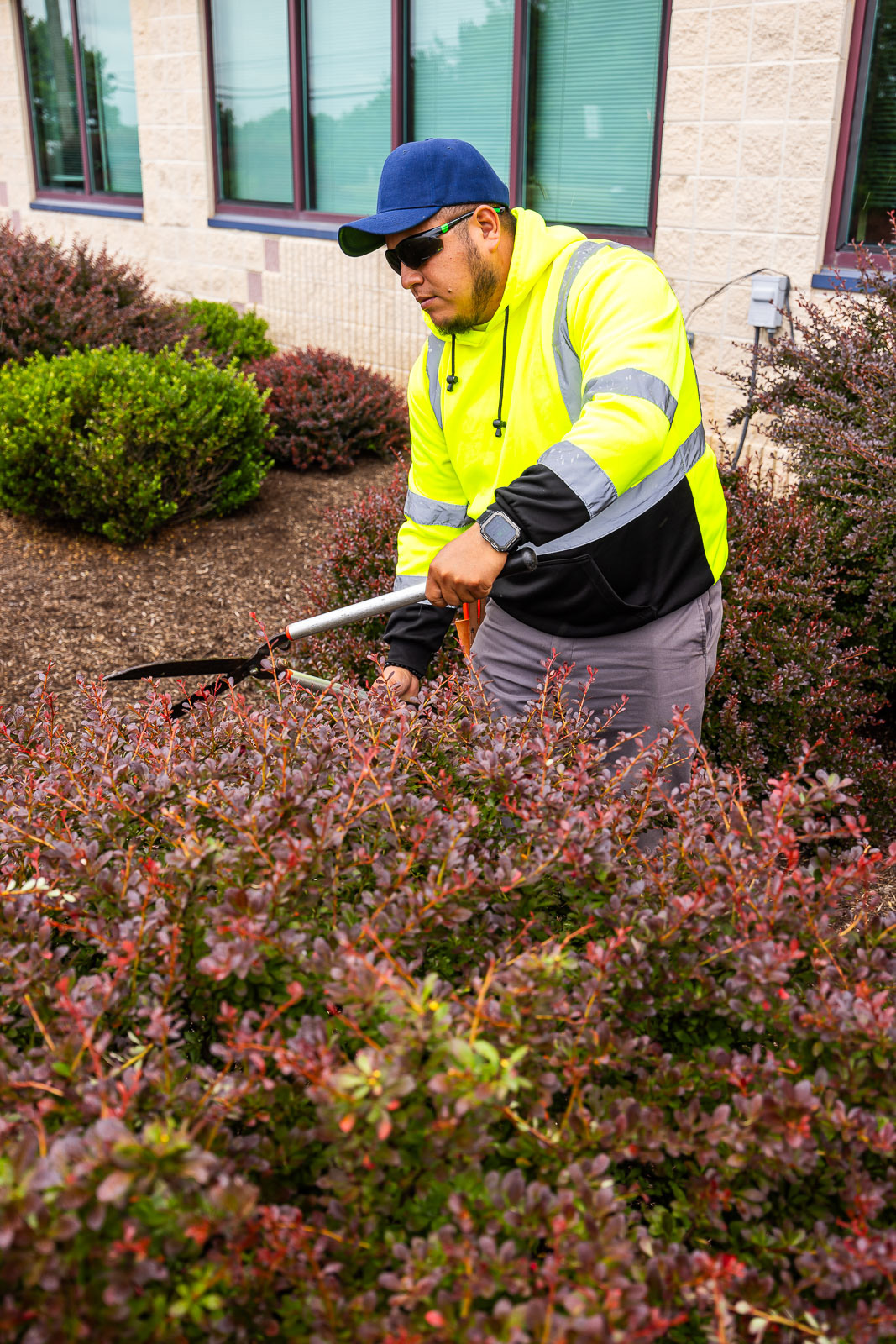
What a Quality Contract Should Include
Before signing any commercial mowing agreement, your board should confirm the contract clearly addresses the items at right. A contractor who is hesitant to put these details in writing is a contractor who is hesitant to be held accountable. Your board deserves a partner who operates transparently and professionally.
- Scope of service — exactly which areas are included and which are not
- Mowing frequency — how often visits occur and how the schedule adjusts seasonally
- Cut height specifications — defined for each turf zone if applicable
- Edging and cleanup inclusions — confirmed as part of every standard visit
- Communication and escalation process — how service issues are reported and resolved
- Insurance requirements — coverage minimums stated in writing
- Termination provisions — what happens if performance standards are not met
Why Chester County HOAs Trust Pickel Landscape Group

At Pickel Landscape Group, we have provided commercial mowing and grounds management services to HOA communities and commercial properties throughout Chester County and northern Delaware for over 15 years. We operate on defined schedules, hold our crews to a documented quality standard, carry full commercial liability insurance, and maintain direct communication with every board and property manager we work with.
We understand what HOA grounds management requires — because we have been doing it, at scale, for communities across southeastern Pennsylvania. To see examples of our commercial grounds work, visit our project portfolio or read our recent Chester County HOA mowing case study. You can also explore the full range of landscaping services we provide to residential and commercial clients throughout the region.
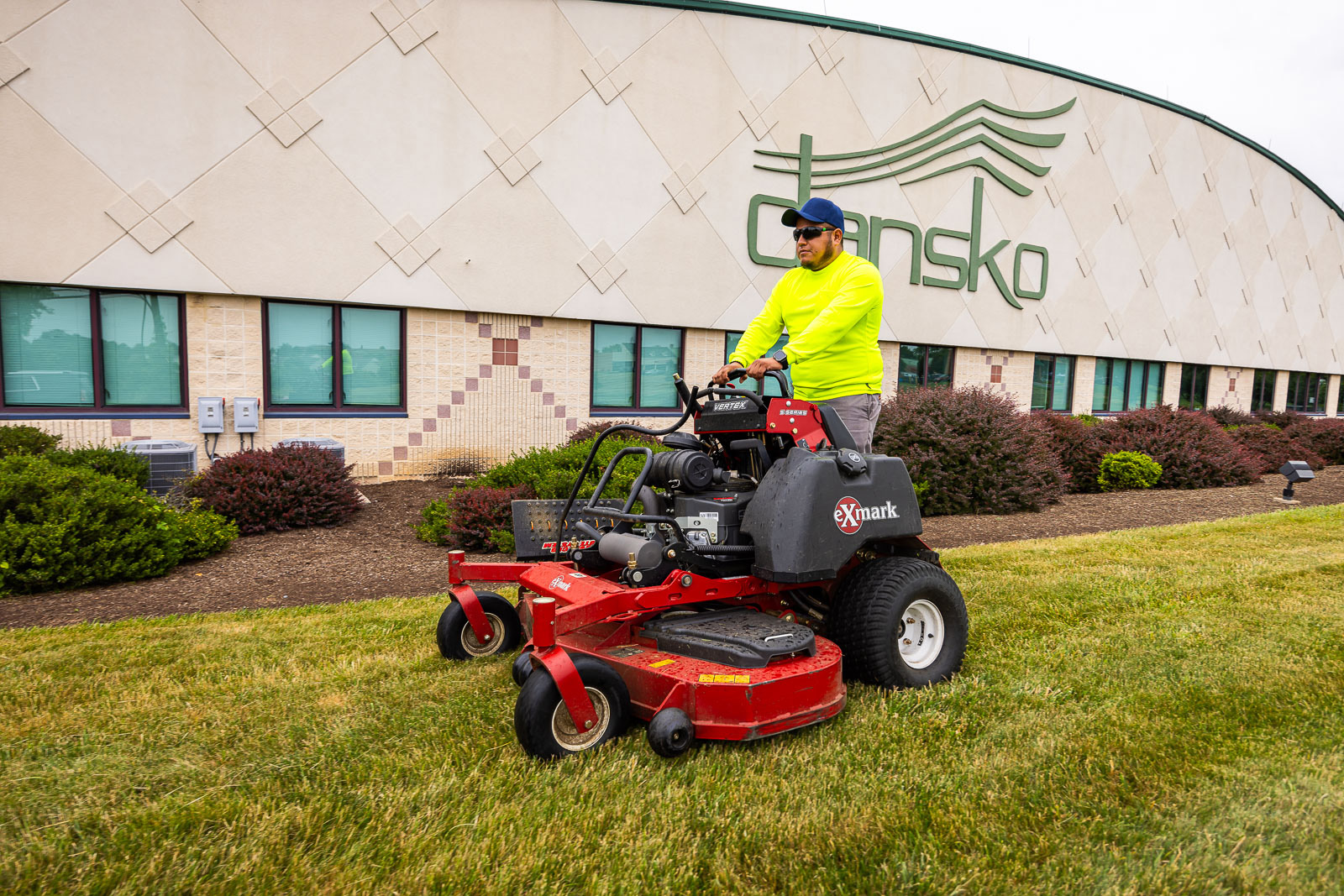
Is Your Current Mowing Partner Delivering?
If your HOA has been managing complaints, chasing down your contractor, or watching your community's turf quality decline through the season, it may be time to make a change.
Contact Pickel Landscape Group today to schedule a property walkthrough and get a commercial mowing proposal tailored to your HOA's scope, schedule, and standards. We serve communities throughout Chester County, Landenberg, West Chester, Kennett Square, Avondale, and northern Delaware.