While your landscape may seem dormant during the colder months, winter is actually one of the most advantageous times to make lasting improvements — particularly through dormant pruning. This crucial winter service promotes the long-term health, structure, and visual appeal of trees and shrubs throughout Chester County.
At Pickel Landscape Group, we often recommend dormant pruning as a proactive measure that sets the stage for robust growth and a polished landscape appearance come spring. Dormant pruning involves carefully cutting back trees and shrubs while they are in their natural rest phase, typically between late fall and early spring.
Why Dormant Pruning Matters
Dormant pruning offers more than just aesthetic benefits. As Penn State Extension explains, by addressing structural issues when plants are not actively growing, we give them the best chance to thrive in the coming seasons. Removing dead or diseased wood during winter helps prevent the spread of fungal infections and pests that are more active in warmer months.
Thinning crowded limbs improves air circulation and sunlight penetration, which supports stronger, healthier growth when the plant reawakens in spring. Cuts made while a plant is inactive tend to heal faster and are less likely to shock the plant.
Restoring Balance and Controlling Growth
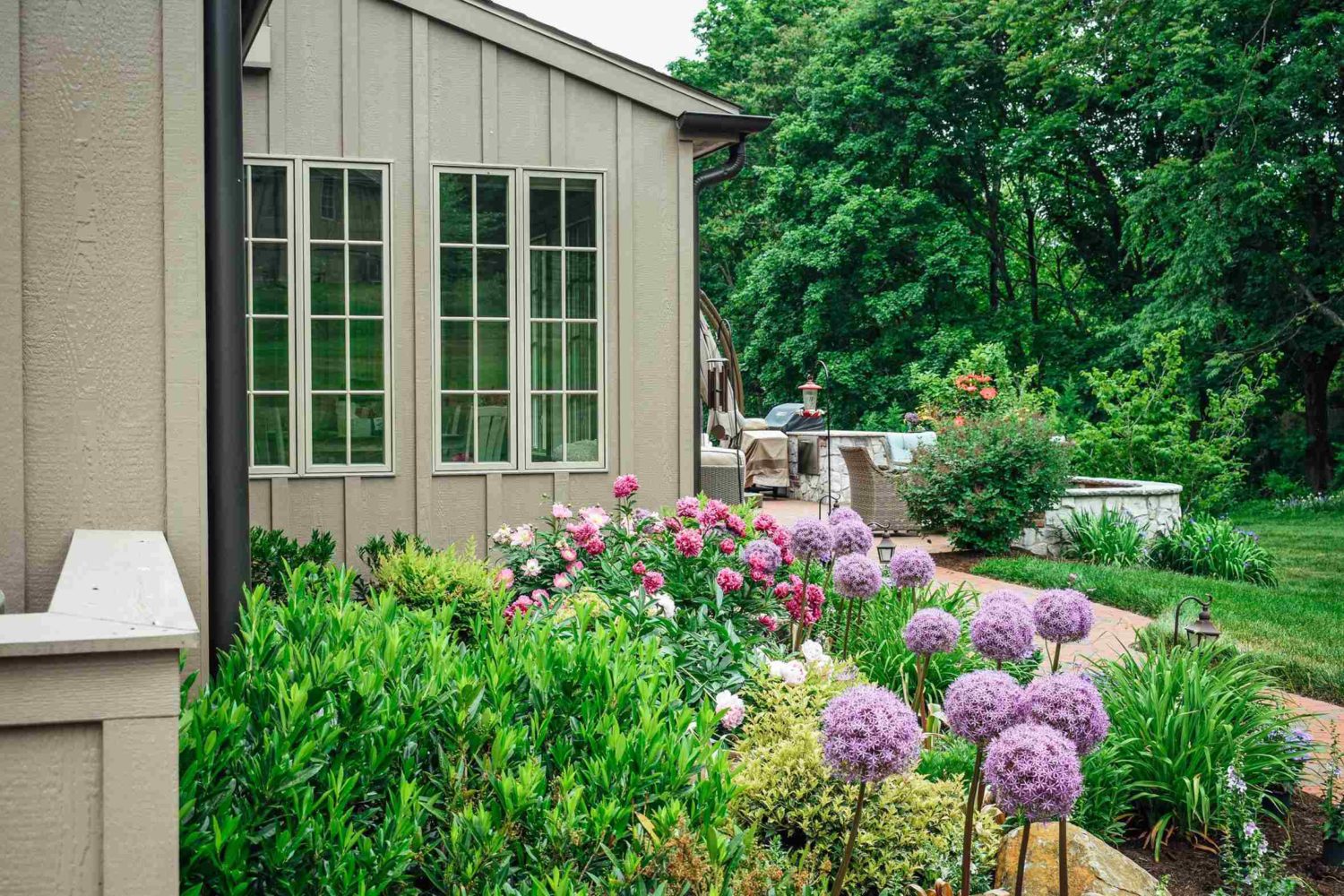
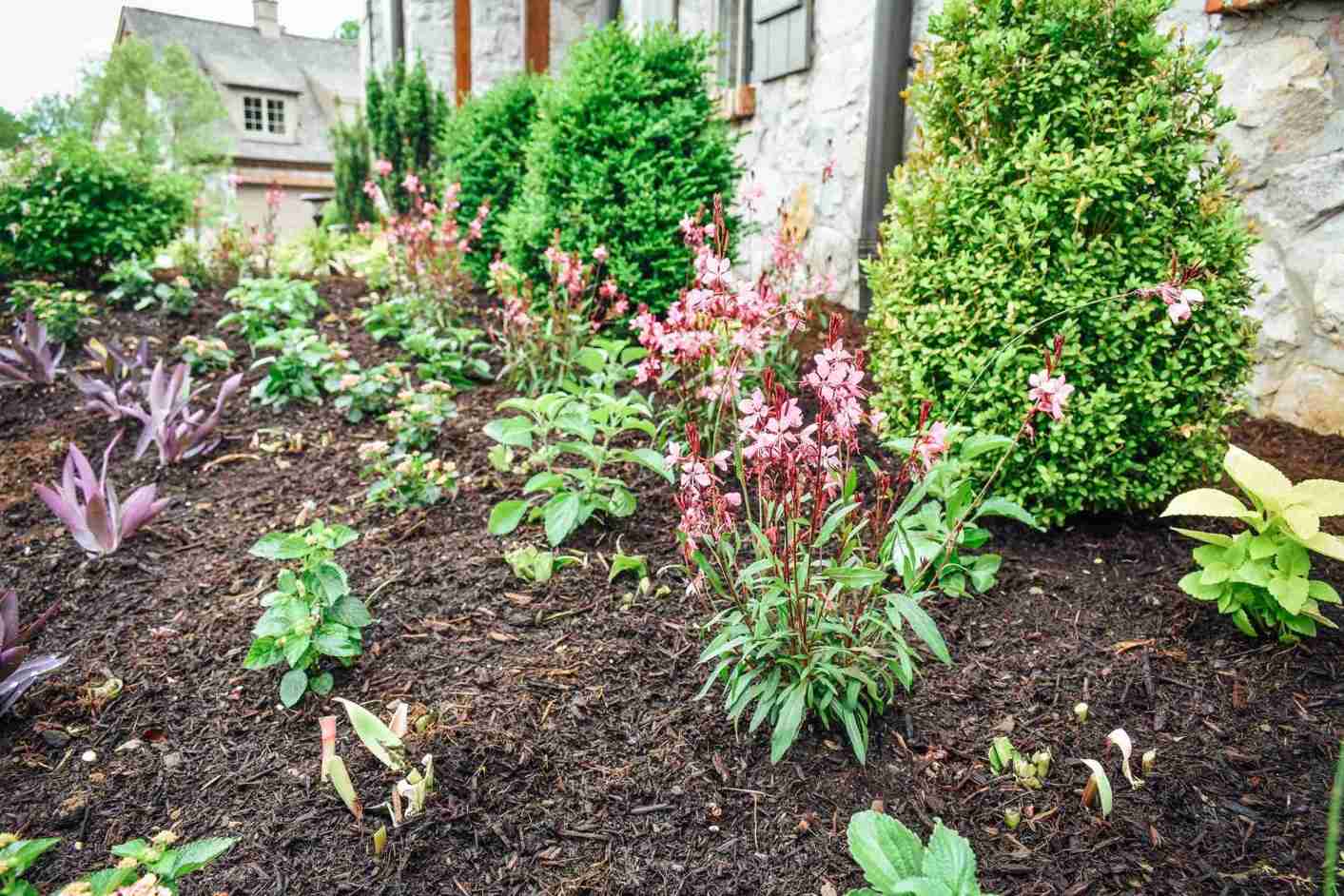
One of the most practical benefits of dormant pruning is the ability to manage the size and spread of your shrubs. As plants mature, they can easily outgrow their intended space or overwhelm nearby walkways, windows, or garden beds. Pruning during dormancy allows for more aggressive cuts with less stress on the plant.
For flowering shrubs and fruit trees, proper timing and technique can significantly enhance flowering and fruit production. When done correctly, dormant pruning is one of the most impactful services you can invest in during the winter months.
Dormant Pruning in Action
This winter, Pickel Landscape Group worked with a Chester County homeowner whose landscape had gradually become overgrown. The once-beautiful shrubs and ornamental trees near their front entry were now blocking windows, spilling into walkways, and obscuring architectural features of the home.
Our team assessed each plant individually, identifying branches that were dead, crossing, or contributing to an imbalanced structure. We carefully executed selective cuts to restore each plant's natural form, removing problematic growth while preserving the overall shape. The transformation was noticeable immediately — the entryway appeared brighter, cleaner, and more welcoming, even in the dormant season.
What Plants Benefit from Dormant Pruning?
In Southeastern Pennsylvania, many commonly planted trees and shrubs benefit from dormant pruning. This includes boxwoods, hydrangeas (depending on variety), viburnums, fruit trees such as apple and pear, redtwig dogwoods, and even crape myrtles. These species respond well to structural shaping and the removal of old or weak wood during winter.
However, not every plant is a candidate for winter pruning. Some species bloom on old wood and should be pruned only after flowering, while others may be sensitive to cold-exposed cuts. That's why it's important to work with experienced professionals who understand plant behavior and local climate conditions.
Frequently Asked Questions
Ready to Refresh Your Winter Landscape?
Dormant pruning is one of the smartest ways to protect and enhance your property's natural beauty. Contact us today to schedule your dormant pruning consultation.
Related Articles
Dormant Season, Active Results: Why Winter Pruning Works
Why dormant pruning in Southeastern PA is essential for healthy trees and shrubs.
Read moreA Basic Guide to Pruning Trees and Shrubs
When and how to prune for healthier growth, better structure, and curb appeal.
Read moreVoted Best Landscape Contractor in Chester County — Again!
Six years running — voted best by the readers of The Daily Local.
Read more