May is the most important month in the Chester County landscape calendar. The ground has warmed, the last frost risk has passed, and the window for planting, mulching, and soil preparation is wide open. But it is also the month when landscapers book up fast. This guide covers what to prioritise right now — and what to get on the schedule before the summer rush.
Soil Preparation — The Foundation of a Healthy Landscape
Chester County's clay-heavy soils compact over winter and need attention before planting season begins. Without proper amendment, new trees and shrubs struggle to establish root systems, water pools instead of percolating, and the nutrients you apply never reach the plants that need them.
Core aeration is one of the most effective spring treatments for lawns and planting beds. By removing small plugs of soil, aeration relieves compaction, improves oxygen exchange, and creates pathways for water and nutrients to penetrate the root zone. For planting beds, working in composted organic matter breaks up clay structure and introduces the microbial life that supports long-term plant health.
Getting soil preparation right before planting trees and shrubs is critical. A poorly prepared planting hole in clay soil becomes an underground bathtub — water collects, roots rot, and the plant fails within its first growing season. For new installations, our team at Pickel Landscape Group always assesses soil conditions and amends accordingly as part of our tree and shrub planting service.
The Right Time to Plant Trees and Shrubs in Pennsylvania
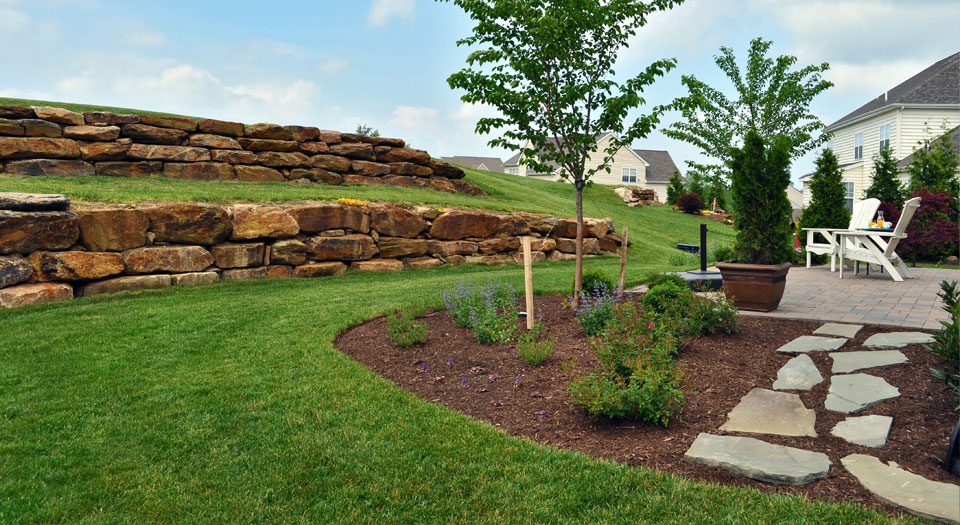
May is one of the two best planting windows in the Mid-Atlantic region — the soil is warm but summer heat has not arrived yet. This timing gives new plantings several weeks to establish roots before the stress of July and August.
Species selection matters in Chester County's climate. Native species like Eastern Redbud, Flowering Dogwood, and various Viburnums are adapted to our freeze-thaw cycles, humidity, and clay soils. They require less supplemental water once established, resist local pests better, and provide habitat for pollinators and birds. Non-native ornamentals often look attractive in the nursery but struggle once exposed to Pennsylvania's seasonal extremes.
Proper installation depth and a disciplined post-planting watering schedule are just as important as species choice. Trees planted too deep — a common homeowner mistake — suffocate as roots cannot access oxygen. Our professional planting team follows exact depth standards and provides homeowners with clear watering instructions for the critical first eight weeks.
Spring Mulching — Why Timing Matters
Mulching after the last frost — typically mid-April in Chester County — protects root systems, retains moisture through summer, and suppresses the weed seeds that germinate as soil temperatures rise. May is the ideal window to apply or refresh mulch before the heat arrives.
Depth matters. Two to three inches is optimal for most planting beds. Less than that and weeds push through; more than that and you risk suffocating roots and creating habitat for pests. The "mulch volcano" — piling mulch against tree trunks — is one of the most common and damaging mistakes homeowners make. It traps moisture against bark, encourages fungal disease, and slowly girdles the tree.
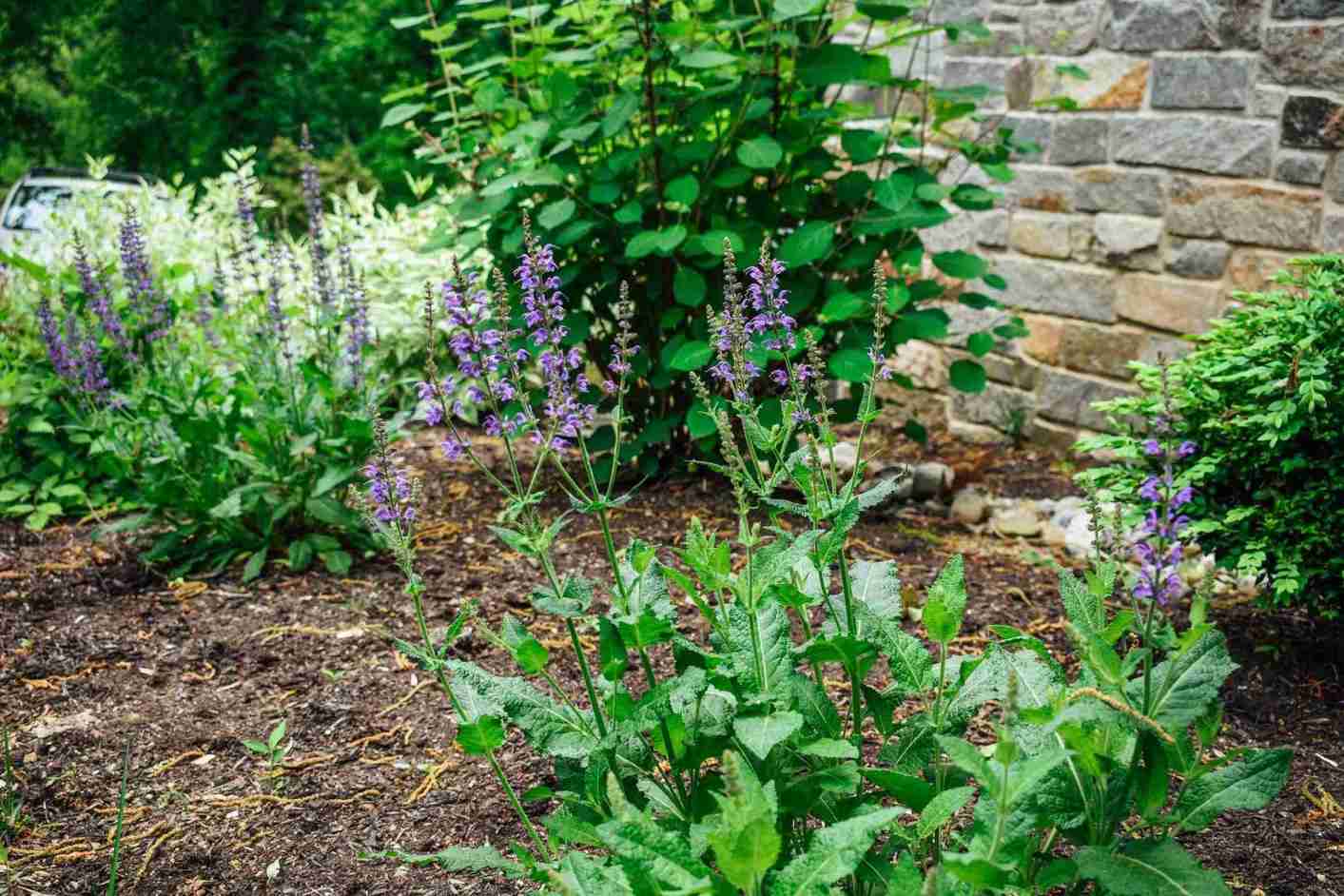
Species-specific considerations also apply. Acid-loving plants like azaleas and rhododendrons benefit from pine-based mulches that gradually acidify the soil. Perennial beds do best with lighter, composted mulches that break down and feed the soil over time. Our shrub and perennial care team can assess your beds and recommend the right material and application for each area of your property.

Spring Pruning — What Still Needs Attention in May

Spring-flowering shrubs should be pruned immediately after bloom — not in autumn. Prune in fall and you remove next year's flower buds. Prune in May, after the display fades, and you shape the plant while preserving next season's show.
The species that need attention right now include lilacs, forsythia, azaleas, and rhododendrons. These plants set buds on old wood during the previous summer, so any pruning outside the post-bloom window reduces flowering. For homeowners, the rule is simple: if it bloomed this spring, prune it now.
Some pruning tasks are safe for DIY — removing dead wood, light shaping, cutting back spent blooms. But structural pruning, rejuvenating overgrown shrubs, and working on specimen plants often requires professional judgement to avoid damaging the plant's form or health. Our shrub and perennial pruning service handles the work that requires trained eyes and proper technique.
Drainage Check — Spotting Problems Before Summer Rains
May's spring rains reveal drainage issues that were hidden under snow and frozen ground. This is the month to walk your property after a heavy rain and look for the warning signs that become expensive problems by July.
What to look for: pooling near foundations — water should shed away from the house, not collect against the basement wall; soggy lawn patches that remain wet days after rain — these indicate compacted soil or a buried drainage obstruction; and erosion on slopes where runoff has carved channels through grass or mulch beds.
Chester County's clay soil is a major contributing factor. Clay drains slowly. When it is saturated, it holds water like a bathtub. When it dries, it cracks and shrinks. Properties with clay-heavy soils need engineered drainage solutions — French drains (subsurface drainage), dry wells, swales, or grading corrections — rather than hoping the problem resolves itself. Addressing drainage in spring prevents far more expensive foundation damage, lawn replacement, and hardscape repairs later. Our drainage solutions team diagnoses and fixes these problems before summer storms make them worse.
Book Your Spring Consultation Before the Rush
Pickel Landscape Group's spring schedule fills up fast — typically by late May. The homeowners who get the best results and the most flexible timelines are the ones who book early.
Whether you are planning a full landscape redesign or just need a seasonal tidy-up and planting plan, a free consultation gets your project on the calendar before the best installation windows close. For larger projects, our design process includes 3D visualisation so you can see exactly how your property will look before any work begins. This is especially valuable for homeowners considering major changes — new patios, redesigned planting beds, outdoor lighting, or water features — where seeing the plan in advance prevents costly changes mid-project.
If you are unsure what your property needs this season, a consultation is still the right call. Our team will walk your property, assess current conditions, and recommend a prioritised plan that fits your budget and timeline. Landscape design is not only for major renovations — it is for any homeowner who wants their outdoor space to improve instead of deteriorate year after year.
Pickel Landscape Group has served Chester County from their Landenberg base for over 15 years and understands the region's specific soil conditions, climate, and seasonal timing better than any national company. We know which plants thrive here, which drainage solutions actually work in clay soil, and how to time every task for maximum impact.
May will not wait. The planting window is open now, the mulch is going down now, and the consultation calendar is filling now. If you want your property to look its best this summer, the time to act is today.
Ready to Get Your Spring Landscape on Track?
Pickel Landscape Group is scheduling spring consultations, planting, mulching, and drainage assessments throughout Chester County and northern Delaware. Get ahead of the summer rush and make sure your landscape gets the attention it needs this season.
Related Articles
Voted Best Landscape Contractor in Chester County — Again!
Six years running — voted best by the readers of The Daily Local.
Read moreStormwater Drainage Makeover in Chester County
A troubled driveway drainage problem transformed into a beautiful landscape feature.
Read moreDormant Season, Active Results: Why Winter Pruning Works
Why dormant pruning in Southeastern PA is essential for healthy trees and shrubs.
Read more