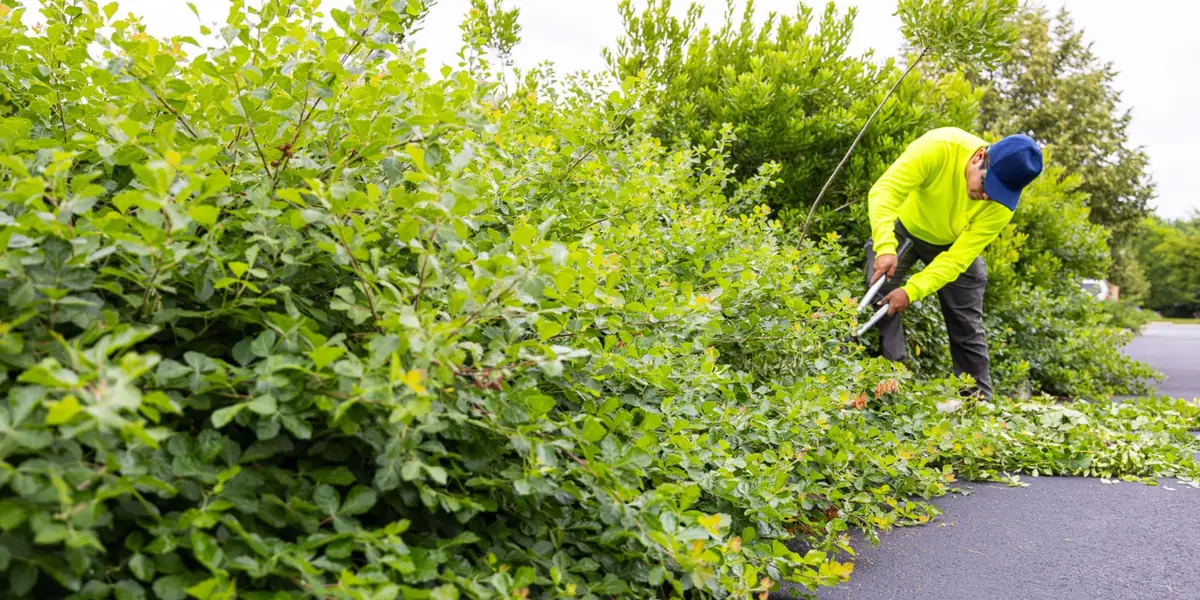
Skipping summer pruning Chester County PA homeowners intend to get to often seems harmless enough — there's always next season, right? But in southeastern Pennsylvania's summer climate, putting off strategic pruning has real consequences: disease spreads faster, storm damage risk goes up, and the long-term structure of your shrubs and trees suffers in ways that take years to undo.
This is not a scare piece. It's a practical look at what actually happens to your landscape when summer maintenance gets skipped — and why getting ahead of it now pays off well into fall and beyond.
What Does Skipping Summer Pruning Actually Cost You?
There's a tendency to think of pruning as cosmetic — something you do when a shrub starts looking messy. In reality, strategic summer pruning serves three distinct functions in your landscape: it protects plant health, it reduces physical risk to your property, and it preserves the long-term investment you've made in your trees and shrubs.
When any of those three functions get neglected through a hot, humid summer in Chester County, the effects compound. Here's how.
Disease Spreads Faster in Neglected Canopies
Pennsylvania summers are warm, humid, and often wet — exactly the conditions that favour fungal and bacterial diseases in landscape plants. Dense, unpruned canopies trap moisture, limit airflow, and create the kind of microclimate where pathogens thrive.
Powdery mildew, fire blight, anthracnose, and boxwood blight are all common in southeastern PA landscapes — and all of them spread more easily through overcrowded, unmanaged growth. A summer pruning session that opens up the canopy and removes affected wood early can stop a minor infection from becoming a major problem.
According to Penn State Extension, removing dead, damaged, or diseased wood reduces insect and disease-related problems and allows early identification of issues before they get out of hand. Waiting until fall means giving any existing infection the entire summer to advance.
Overgrown Shrubs Are a Storm Damage Risk
Southeastern PA gets its share of summer thunderstorms, and Chester County's July and August storm season can bring high winds, heavy rain, and the occasional derecho. In landscapes with dense, heavy, unpruned canopy, the risk of branch failure is significantly higher.
Dead branches don't announce themselves until they come down. Crossing branches create structural weaknesses. Shrubs that have grown too large and top-heavy put pressure on their own root systems. Summer pruning addresses all of this before storm season peaks.
The International Society of Arboriculture recommends removing dead, broken, and structurally compromised branches as an ongoing priority — not just a once-a-year task. In summer, before storm risk escalates, is exactly the right time to make those calls.
What to Look For Before a Storm Season
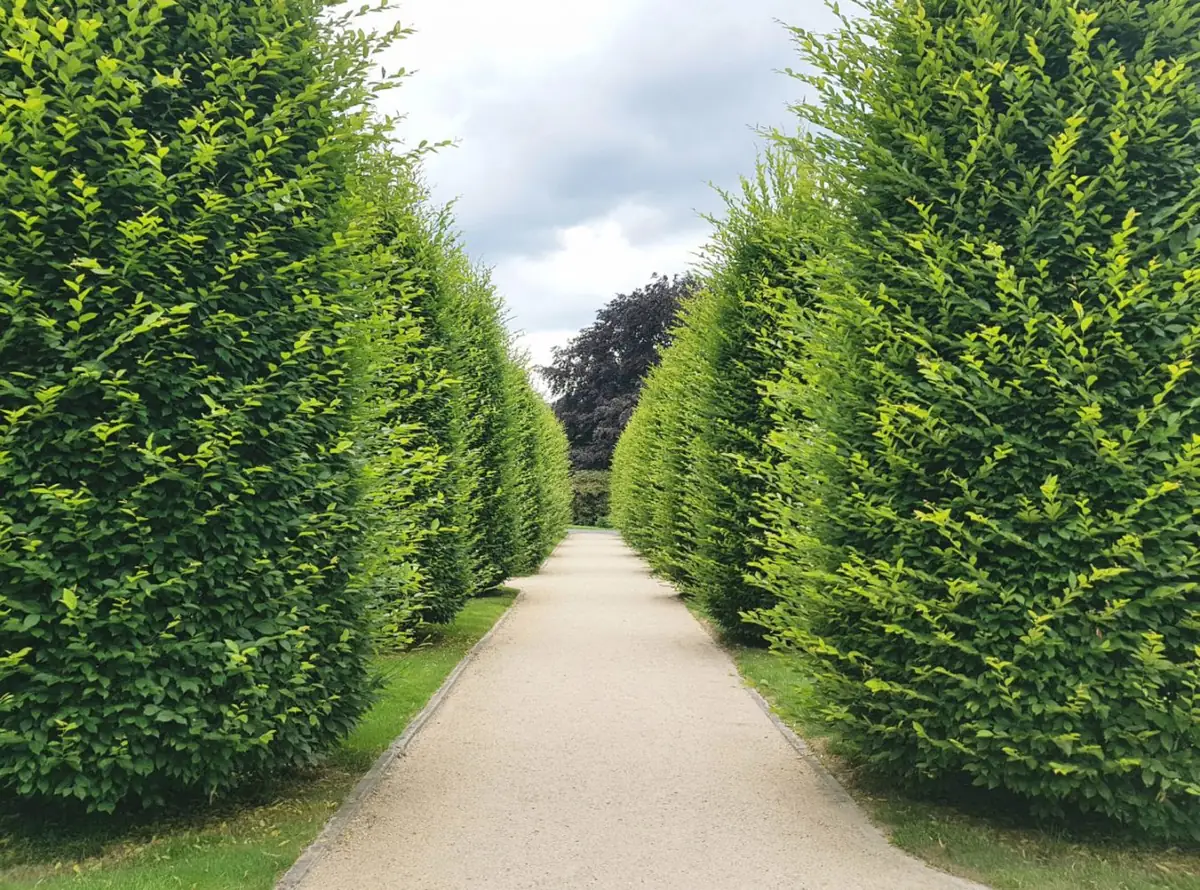
Before the height of summer storm season, walk your Chester County property and look for:
- Dead or partially attached branches — these fail in the first strong gust
- Branches growing toward the house, roof line, or over hardscape
- Shrubs that have grown into each other, creating dense, unsupported masses
- Signs of crown dieback or internal die-off in large ornamental trees
- Any branch that looks visually "heavy" on one side without support
If you spot any of these on your Landenberg, Kennett Square, or Avondale property, don't wait. A professional assessment before a storm is far less disruptive — and far less expensive — than emergency cleanup after one.
Long-Term Plant Decline — The Slow Cost of Neglect
Some of the consequences of skipping summer pruning year after year are immediate. Others accumulate quietly. Over time, unpruned shrubs and trees develop structural problems that no single future pruning session can fully correct.
Shrubs That Grow Beyond Their Natural Form
Without annual shaping, many ornamental shrubs — forsythia, viburnum, spirea, weigela — become overly dense in the centre, with dead wood accumulating at the base and all the new growth pushed to the outer tips. This creates the classic "hollow in the middle" look that's a sign of years of missed maintenance.
At that stage, renovation pruning — cutting the plant back hard to force new growth — becomes necessary. That's a stressful process for the plant and a setback for your landscape's appearance. Regular light pruning avoids it entirely.
Trees With Weak Structure
Young ornamental trees trained properly through their early years develop strong central leaders, well-spaced branch architecture, and the structural resilience to handle decades of growth. Young trees left to grow unchecked often develop co-dominant leaders, tight branch unions, and crowded canopies that become increasingly expensive to correct.
The TreesAreGood.org resource from the ISA notes that training young trees through good pruning practice is far more effective — and far less costly — than trying to correct structural problems in a mature specimen. The window for that training doesn't stay open forever.
The ROI Case for Regular Summer Pruning
Professional landscaping is an investment in your property, and summer pruning is part of protecting that investment. Consider what's actually at stake:
- A mature ornamental tree can take 10 to 20 years to reach its full size and impact — neglect accelerates its decline
- Storm damage to a mature tree near a structure can result in significant repair bills
- Disease that takes hold in a dense, neglected hedge often means removing and replacing plants rather than treating them
- A well-maintained landscape in Chester County adds measurable curb appeal and property value — an overgrown one does the opposite
Viewed through that lens, regular summer pruning is not an add-on expense. It's maintenance that protects everything you've already put into your landscape.
The Rutgers Cooperative Extension makes clear that pruning is an important horticultural practice for maintaining the health, appearance, and size of plants — not a luxury, but a baseline requirement for a functioning landscape.
How Pickel Landscape Group Approaches Summer Pruning
The Pickel Landscape Group team has been maintaining Chester County properties since 2007. Summer pruning, for us, is not just about keeping things looking tidy — it's about reading each plant, identifying what's happening below the surface, and making cuts that serve the landscape's long-term health.
We work across Landenberg, West Chester, Kennett Square, Avondale, Hockessin, and northern Delaware, and we understand the specific conditions that southeastern PA summers create for landscape plants. When you bring us in for seasonal maintenance, you're getting eyes on your property that know what to look for before problems escalate.
Visit our portfolio to see before-and-after results from Chester County landscapes we've managed through the seasons. Then take a look at our full services to see how summer pruning fits into a complete seasonal maintenance programme.
Don't Wait for a Problem to Appear — Get Ahead of It
The best time to schedule summer pruning is before the storm season peaks and before the humidity gives disease a foothold. If your Chester County property hasn't had a professional pruning assessment this season, now is the right moment.
Request a consultation and we'll walk your property, identify what needs attention, and put together a plan that protects your landscape through summer and sets it up well for fall.
Frequently Asked Questions About Summer Pruning and Plant Health
Contact Pickel Landscape Group
Ready to schedule summer pruning for your Chester County property? Get in touch with the team — we serve Landenberg, West Chester, Kennett Square, Avondale, Hockessin, and northern Delaware.
Related Articles
How and When to Prune in Summer: A Homeowner's Guide for Southeastern PA
Plant-by-plant timing, the right tools and techniques, and the most common summer pruning mistakes Chester County homeowners make.
Read moreDormant Season, Active Results: Why Winter Pruning Works
Learn why dormant pruning in Southeastern PA is essential for healthy trees and shrubs. Discover when to prune and how it benefits your landscape.
Read moreThe Magic of Dormant Pruning in Chester County
Discover how dormant pruning in Chester County improves plant health and boosts curb appeal — even in the middle of winter.
Read more