
By mid-July, even a well-maintained Chester County landscape starts to show the strain of a long, hot stretch. Turf that looked full in June can thin out along the edges. Shrubs planted in spring can wilt by mid-afternoon even after a good rain. Mulch beds that were fresh at Memorial Day can look tired and thin by the Fourth.
None of this means something has gone wrong. It's simply what a Mid-Atlantic summer does to a landscape that hasn't had a second look since spring. The properties that come through August looking their best are usually the ones where someone walked the yard in July and caught the small issues before they became bigger ones.
Why Mid-July Is When Landscape Stress Shows Up
Southeastern Pennsylvania's summers are hot, humid, and prone to stretches without meaningful rain — conditions that test every part of a landscape at once. Plants installed in spring are still establishing root systems. Turf that looked green through a cool June is suddenly carrying the full weight of summer heat. Mulch that was doing its job in May has broken down and lost much of its ability to hold moisture and suppress weeds.
By the time most homeowners notice a problem, it's often been building for weeks. A mid-summer walk-through catches these issues while they're still easy, and inexpensive, to correct.
Signs Your Landscape Is Due for a Mid-Summer Check
Turf That's Thinning or Discoloring in High-Traffic Areas
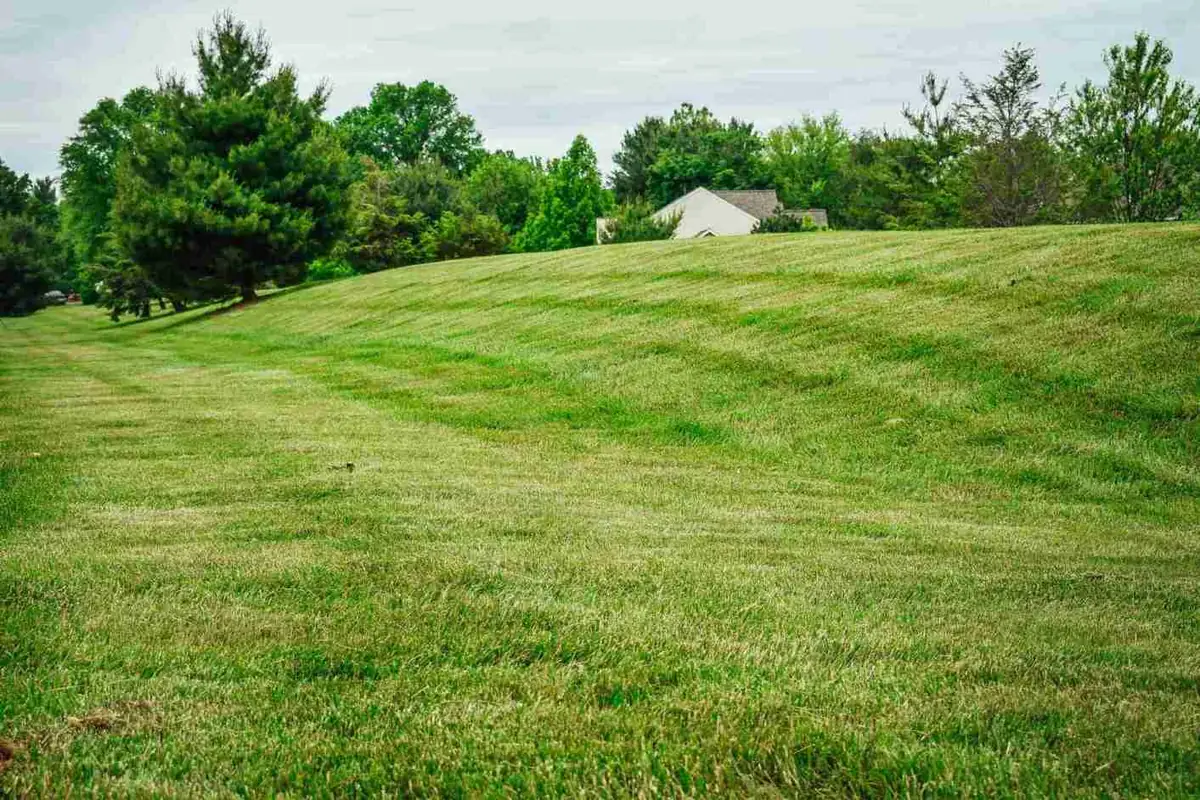
Lawns naturally show more wear by midsummer, but a healthy lawn should recover with normal care. If you're seeing persistent thin patches along walkways, play areas, or spots that get afternoon sun, it's worth a closer look before those areas turn to bare soil. Penn State Extension's lawn care guidance echoes the same point: early intervention prevents small stress patches from becoming full renovations.
Shrubs and Perennials That Look Tired Despite Normal Care
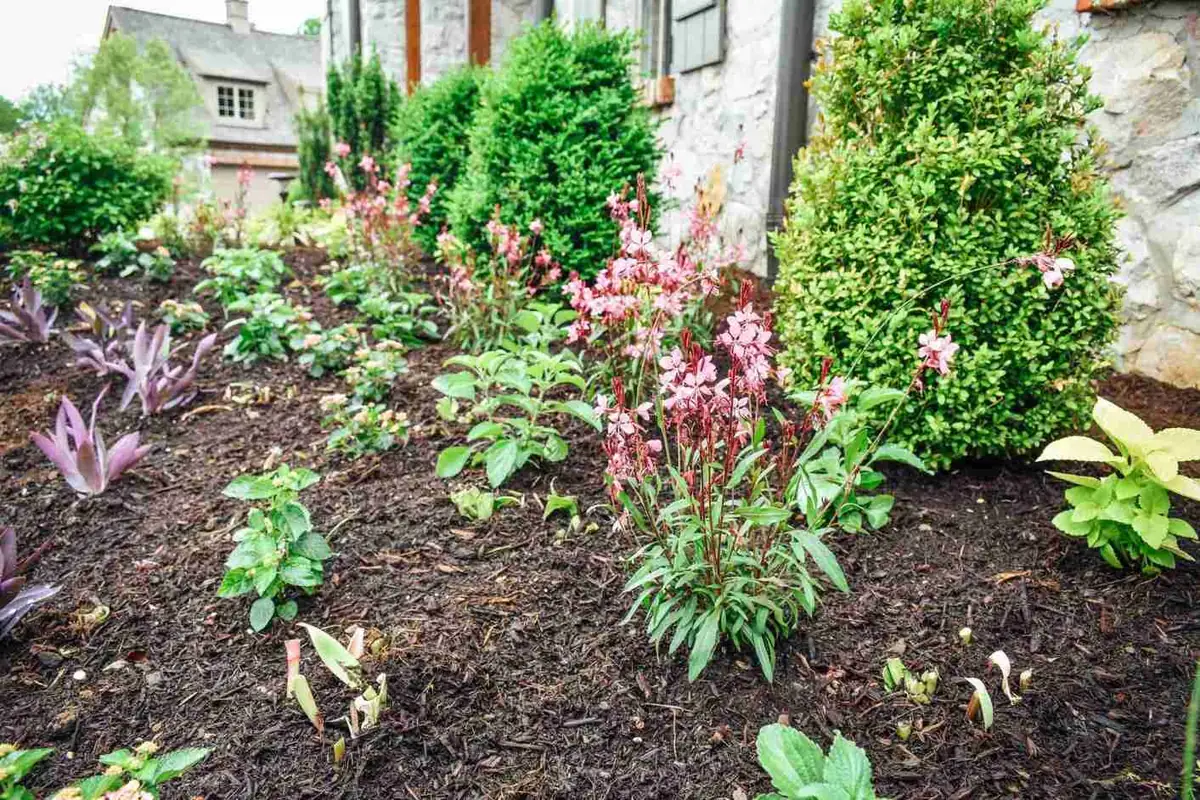
Wilting in the heat of the afternoon is normal for many plants and doesn't always mean a problem. But if shrubs or perennials are still drooping in the early morning, or leaves are yellowing and dropping outside of their normal seasonal pattern, that's a sign something at the root level needs attention.
Mulch Beds That Have Thinned, Washed Out, or Crusted Over
Mulch that's gone thin, floated away after a storm, or formed a hard crust on top no longer does its job of regulating soil temperature and moisture. By midsummer, most beds installed in spring are due for a refresh.
Early Leaf Drop or Scorch on Trees and Specimen Plantings
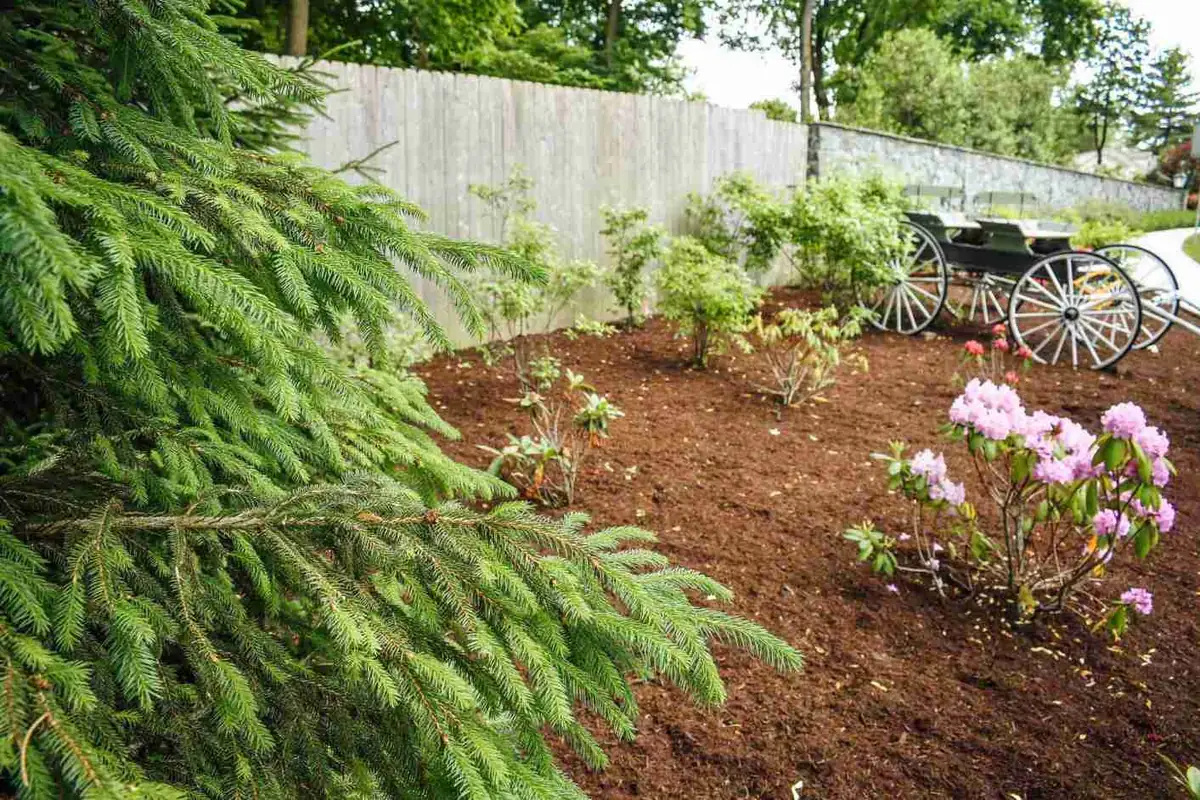
Trees and specimen shrubs under heat stress will often drop leaves early or show scorched, browning edges on foliage that's otherwise still green. Caught early, this is usually manageable. Left unaddressed through August, it can set a plant back for more than one season.
Bed Edges or Turf Showing Erosion After Summer Storms
Chester County's summer storms tend to be short and intense. A single heavy downpour can wash out a bed edge, undermine a planting, or leave a low spot in the lawn that wasn't there in June. These are easy to miss unless you're looking for them specifically, and often signal a larger drainage conversation worth having.
What a Professional Mid-Summer Walk-Through Covers
A mid-summer landscape check isn't a full redesign. It's a focused visit to catch what's changed since spring and put a plan in place before small issues become bigger ones. A typical visit includes:
- Plant health assessment: checking shrubs, perennials, and specimen trees for signs of heat stress, pest activity, or disease
- Mulch and bed condition review: identifying beds that need refreshing, edging, or drainage attention
- Turf inspection: spotting thin, compacted, or stressed areas before they turn into bare patches
- Pruning and deadheading needs: flagging what should be addressed now versus what can wait for a scheduled seasonal visit
- A prioritized list of recommendations: so you know what's urgent, what's worth doing this season, and what can be planned for fall
What to Expect From a Mid-Summer Assessment
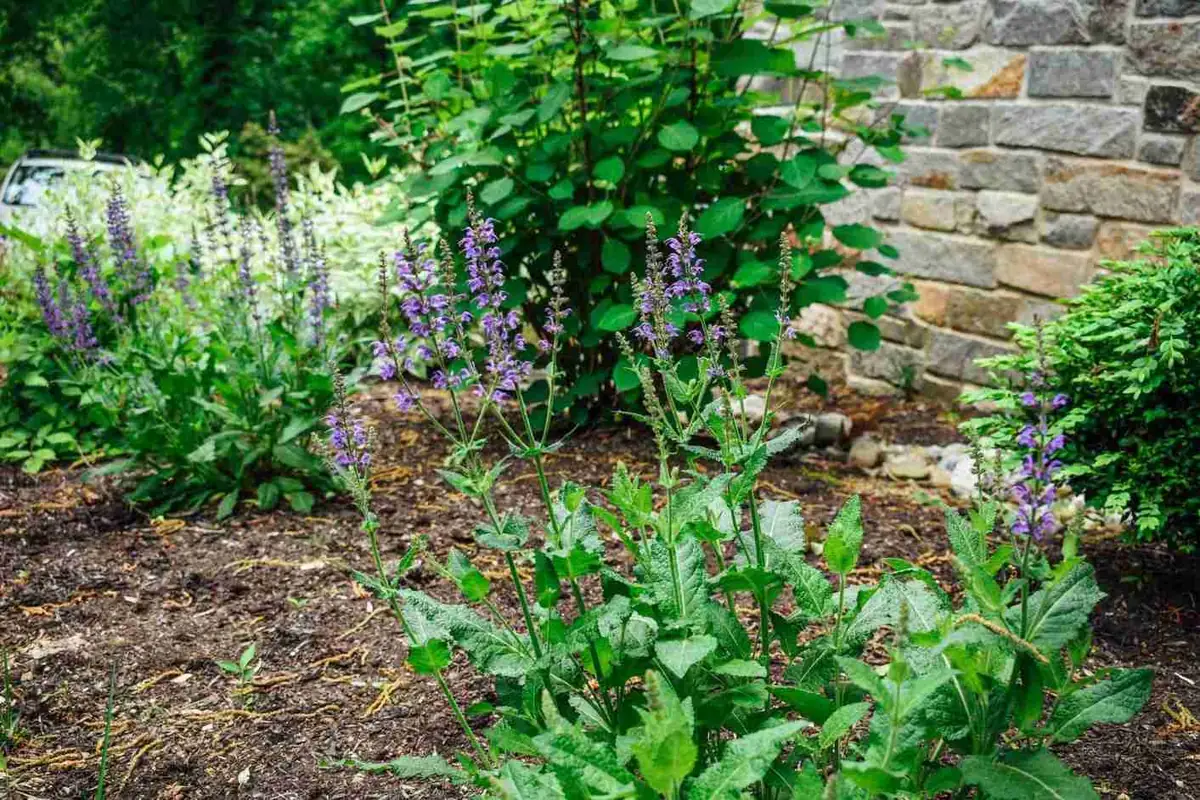
A mid-summer assessment is a walk of the property with a member of our team, typically taking less than an hour for most residential properties. We'll look at turf, beds, plantings, and hardscape edges, and put together a short list of what we're seeing and what we'd recommend, with no obligation to act on all of it right away.
For properties already on a seasonal maintenance schedule, a mid-summer check is often folded into a regular visit. For properties without ongoing service, it's a low-commitment way to get a professional read on how the landscape is holding up. See our portfolio for examples of properties we manage across Landenberg, Kennett Square, and West Chester.
Is Now the Right Time?
Mid-July is genuinely the best time to catch these issues — the stress is visible, but there's still enough of the growing season left to correct course before fall. Waiting until September means addressing problems after they've had two more months to compound.
Request a consultation and our team will walk your Chester County property, flag what needs attention, and put together a clear, prioritized plan — whether that's a quick fix or a bigger conversation about how your landscape is holding up.
Frequently Asked Questions About Mid-Summer Landscape Checks
Contact Pickel Landscape Group
Get in touch with our team — we serve Landenberg, West Chester, Kennett Square, Avondale, Hockessin, and northern Delaware.
Related Articles
Plant This Fall, Bloom This Spring: A Guide to Bulb Installation in Chester County
Plant this fall, bloom this spring. Bulb installation in Chester County PA — layering, depths, and what full installation includes.
Read moreWhy Fall Is the Best Time to Plant Trees and Shrubs in Chester County
Why fall is the best time to plant trees and shrubs in Chester County PA — cooler air, warm soil, and root establishment before winter.
Read moreWhy the Best-Looking Fall Landscapes Were Booked in August
The best-looking fall landscapes in Chester County PA were planned a season ahead. Here is what should already be on your radar.
Read more