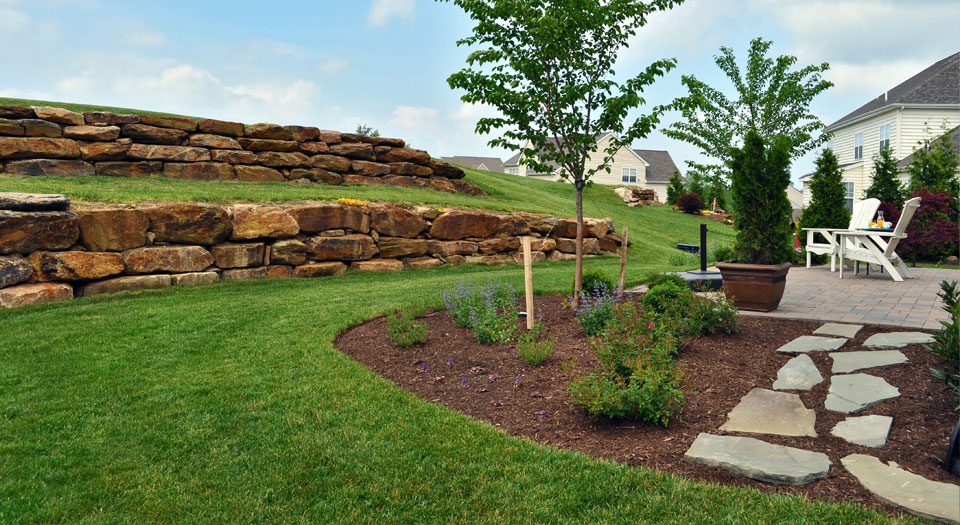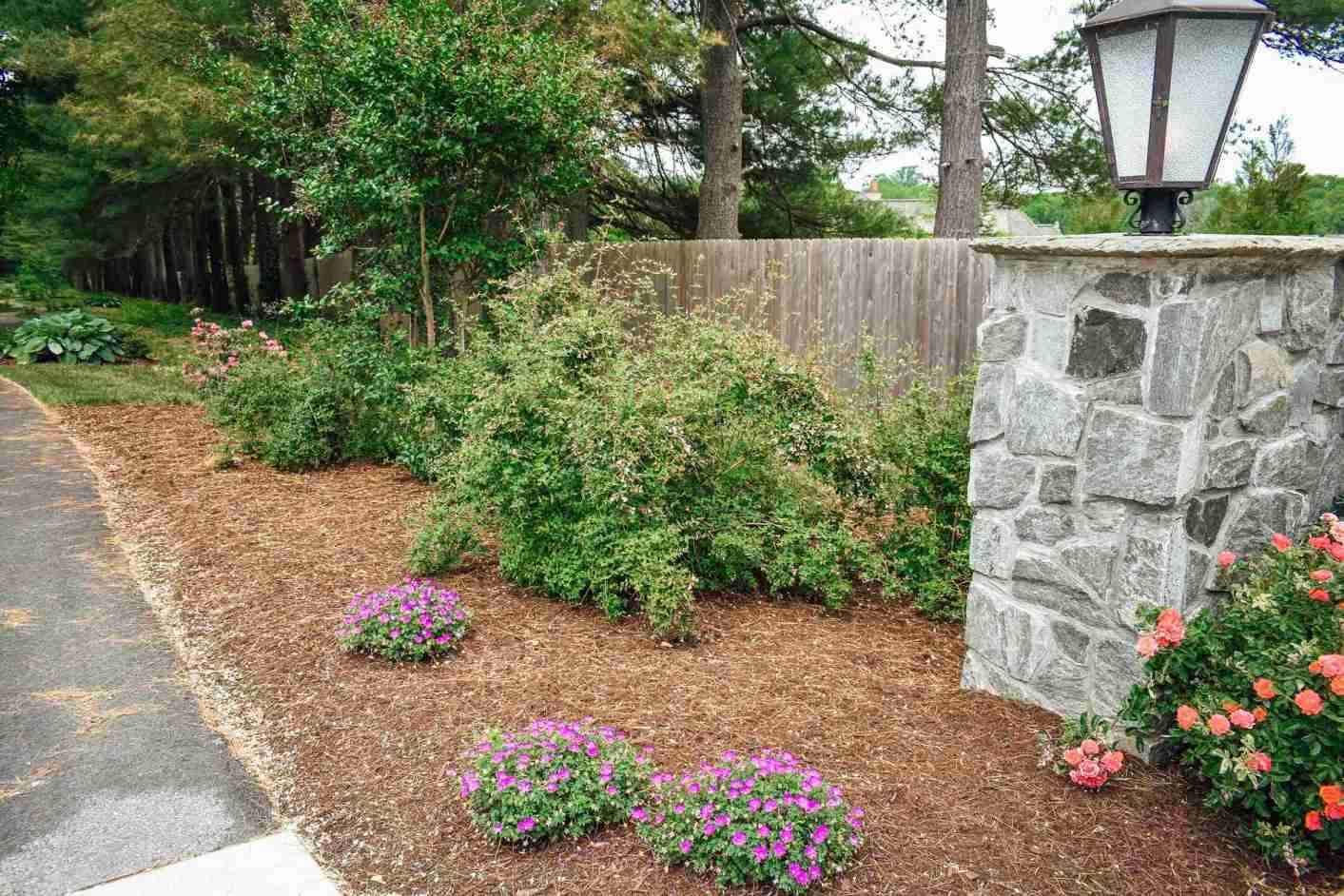
Every spring, something quietly magical happens across Chester County — front yards come alive with sweeping ribbons of color, garden beds burst open with tulips and daffodils, and properties that looked bare just a few weeks earlier are suddenly the most eye-catching on the block. That transformation does not happen by accident. It happens in the fall, with a little planning, the right plant selection, and a team that knows exactly what they are doing.
At Pickel Landscape Group, bulb installation is one of our favorite seasonal services. In this case study, we take you behind the scenes of one of our recent bulb installation projects in Chester County — walking you through the process, the plant list, and the results we achieved.
The Project: A Chester County Front Yard Transformation
Our client came to us in early fall with a straightforward goal: they wanted their front yard to stop going unnoticed. The property featured a long, curving front bed along the driveway, a smaller accent bed flanking the main entrance, and a wide lawn-facing border with southern exposure — ideal growing conditions for spring-blooming bulbs.
The existing plantings were primarily evergreen shrubs with little seasonal interest. The homeowners wanted something that would bring life and color from late March through May, requiring minimal maintenance and setting up a reliable bloom cycle year after year.
After an initial consultation, our team developed a layered planting design that would maximize visual impact through staggered bloom timing — flowers would transition gradually from early spring through late spring, rather than all peaking and fading at once.
Our Process: From Fall Planning to Spring Color
Step 1 — Site Assessment and Soil Preparation
Before a single bulb goes into the ground, the soil has to be right. In southeastern Pennsylvania, we frequently encounter heavy clay soils that retain too much moisture — causing bulbs to rot before they ever bloom.
Our team evaluated drainage at all three planting zones and incorporated compost and organic matter to improve soil structure and aeration. According to Penn State Extension, bulbs thrive in a soil pH between 6 and 7. We added a light lime amendment after finding the soil slightly below the ideal range.
Learn more in our guide to amending your soil.
Step 2 — Bulb Selection and Design Layout
Bulb selection is where the real design work begins. Our horticulture-trained team curated a plant list based on three priorities: bloom sequence, height variation, and color palette. The client requested a warm, welcoming palette — soft whites, warm yellows, and deep purples — to complement the navy shutters and neutral stone façade.
We organized the design so that early bloomers would emerge first near the entry, leading the eye toward the driveway border as the season progressed. Taller varieties were placed at the back of each bed, with shorter, compact selections at the front edge for a full, layered appearance.
Step 3 — Planting Depth, Spacing, and Coverage
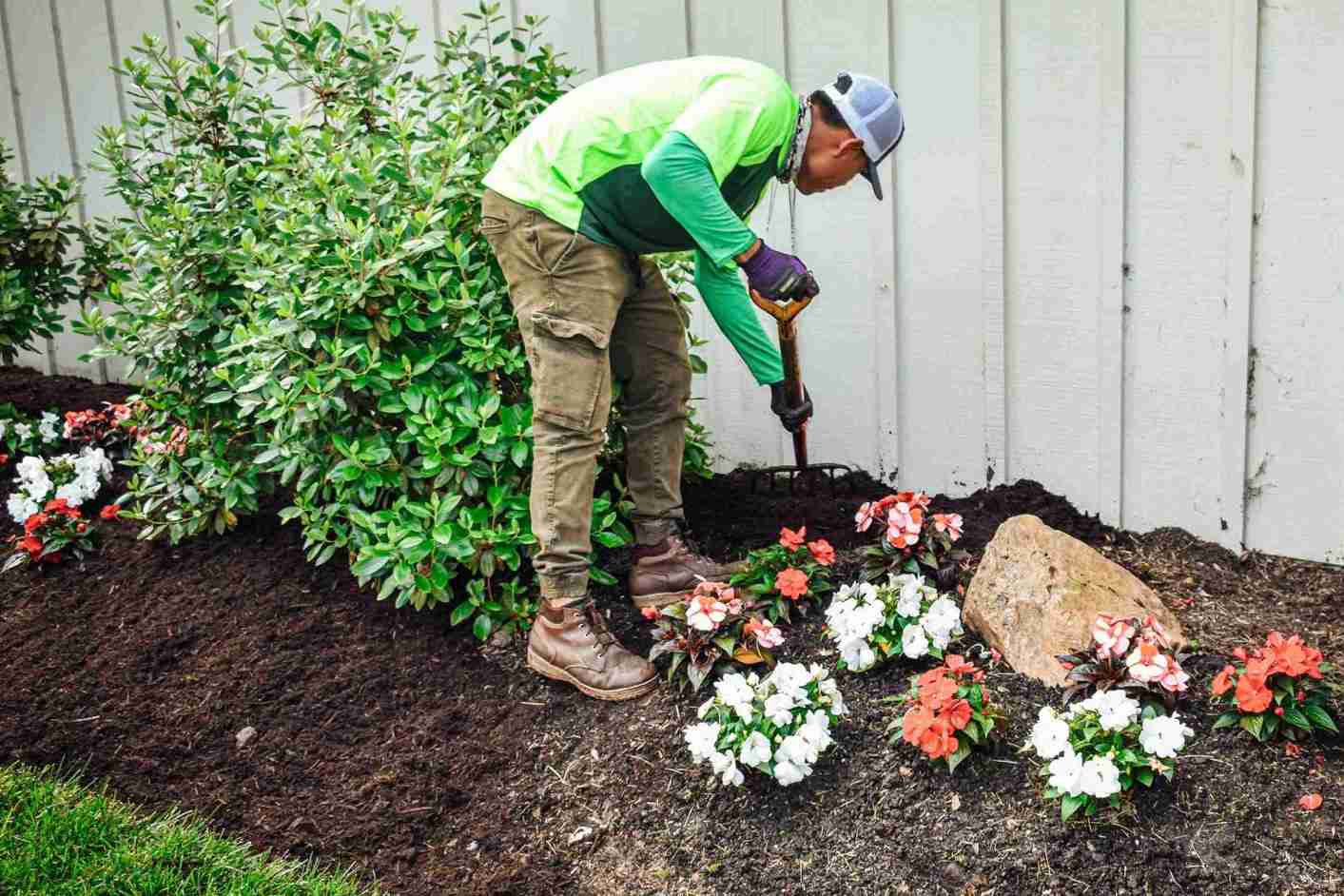
This step is where precision matters most. Our team followed the standard best practice of planting each bulb at two and a half to three times its own height — tulips at 6 to 8 inches and grape hyacinths at 3 to 4 inches.
We planted in clusters and drifts rather than straight rows — a technique that mimics natural growth patterns. The Pennsylvania Horticultural Society notes that a solid wave of flowers provides significantly more visual impact from a distance than mixed small clusters.
We finished each bed with 2 to 3 inches of shredded hardwood mulch to insulate the bulbs through winter and retain moisture through spring emergence. For more on this technique, see our winter mulching guide.
Step 4 — Winter Dormancy and Spring Monitoring
Once planted, the waiting begins. Spring-blooming bulbs require 12 to 16 weeks of consistently cold temperatures before they are triggered to emerge and flower. Chester County's winters reliably provide that chill factor, making our region one of the better places in the Mid-Atlantic for growing a wide range of spring bulbs.
Our team checked in on the property as March approached. The first green tips appeared in mid-March, and by early April, the display was well underway.
The Plant List
Early Season (Late March – Early April)
- Crocus (Crocus vernus) — Purple and white mix, planted along the entry bed edging
- Snowdrops (Galanthus nivalis) — White, tucked beneath existing shrubs for layered ground-level display
- Grape Hyacinth (Muscari armeniacum) — Deep indigo blue, used as front-border filler throughout all three zones
Mid Season (Mid April – Early May)
- Dutch Hyacinth 'Carnegie' — White, fragrant, flanking the front entry on either side
- Daffodil 'Ice Follies' — White petals with pale yellow cups, large drifts along the driveway border
- Daffodil 'Tête-à-Tête' — Compact yellow, used at bed edges for low-growing color
Late Season (Late April – Mid May)
- Tulip 'Queen of Night' — Deep burgundy-purple, clusters of 7–9 at the back of the driveway border
- Tulip 'White Triumphator' — Elegant lily-flowered white, mixing with dark tulips for contrast
- Tulip 'Golden Apeldoorn' — Classic yellow, anchoring the far end of the driveway bed
Total bulbs installed: approximately 380 across all three bed zones.
The Results: Before and After
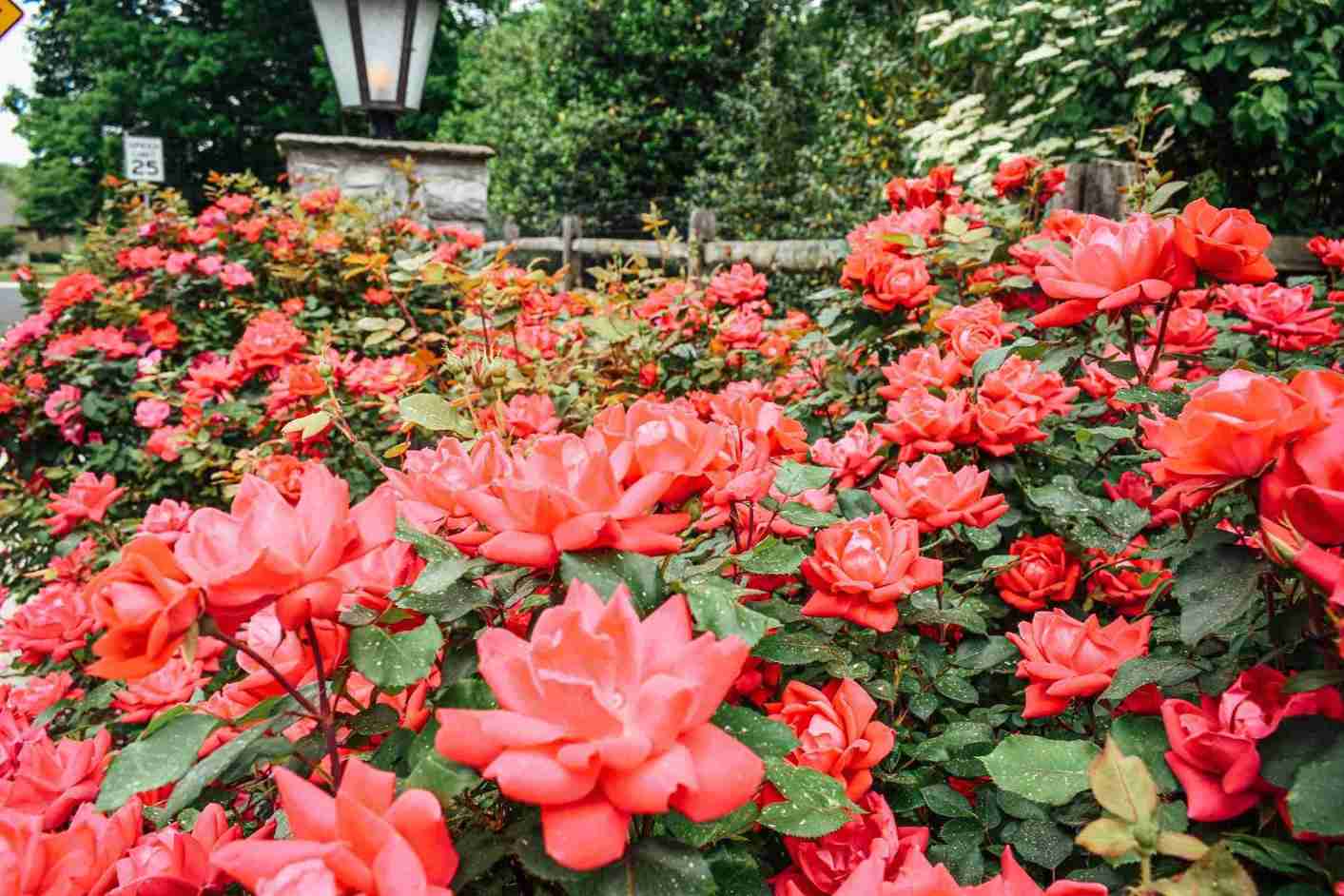
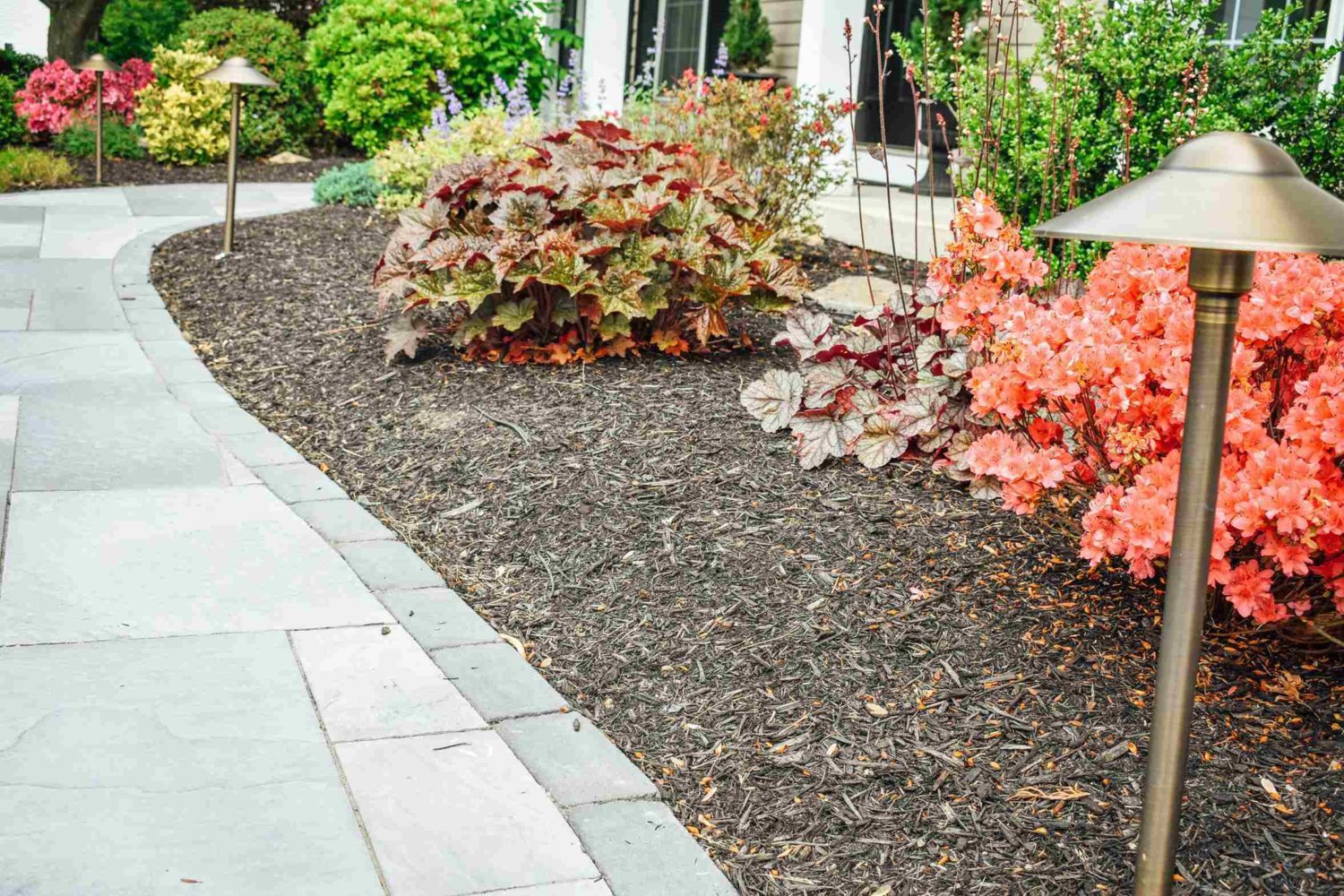
When our team returned in April to document the finished display, the transformation was striking. The long driveway bed — bare and unremarkable through winter — was now a continuous ribbon of yellow, white, and deep purple stretching nearly 40 feet.
The entry beds flanking the front door had a formal, welcoming symmetry with fragrant white hyacinths and compact grape hyacinths leading visitors toward the entrance.
The homeowners told us it was the first year in over a decade that neighbors had stopped to ask what was growing in their yard. That, for us, is the best kind of result.
Why Professional Bulb Installation Makes a Difference
There is a meaningful gap between dropping a few dozen bulbs into the ground and designing a cohesive, multi-week display across multiple bed zones with staggered bloom timing, proper soil preparation, and thoughtful variety selection.
Our team brings horticulture training, regional planting knowledge specific to southeastern Pennsylvania, and an eye for landscape design to every bulb installation. We understand how Chester County soils behave, how our winters affect bulb dormancy, and how to build a plant list that delivers color from March through May.
For more on our planting approach, explore our tree and shrub planting services.
Frequently Asked Questions
Ready to Add Spring Color to Your Property?
We serve homeowners and businesses throughout Chester County, including West Chester, Kennett Square, Landenberg, and Avondale, as well as clients in northern Delaware. Fall planting windows are short — the time to act is now.
Related Articles
How & When to Plant Spring Bulbs in Southeastern PA
Timing, soil prep, planting depth, and the layering technique for non-stop spring color.
Read moreAmending Your Soil: A Guide to Healthier Gardens
How to test, amend, and improve your garden soil for thriving plants.
Read moreCreating and Working with Microclimates in the Garden
Leverage your property's unique conditions for healthier, more diverse gardens.
Read more